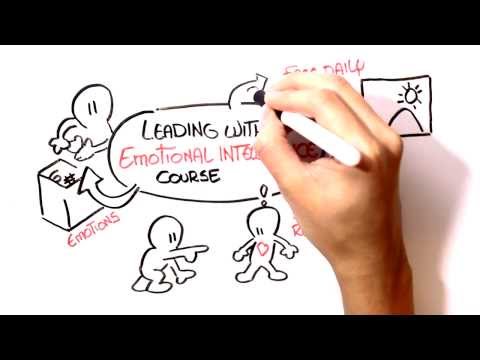
Hey, you know what’s wild? The way we interact at work can totally make or break our experience. Like, ever feel that tension in the air? It’s awkward, right?
So, here’s the thing: emotional intelligence might just be the secret sauce we need. It’s not just about being nice; it’s about understanding your feelings and those of others. Seriously, imagine if everyone at work just got each other a little better!
Picture smooth conversations, fewer conflicts, and even team bonding over lunch without all that awkwardness. Sounds good? Yeah, I thought so! Emotional intelligence training could be a game changer for workplace vibes.
Boost Workplace Harmony: Transform Dynamics with Online Emotional Intelligence Training
Emotional intelligence, or EI for short, is like having a superpower when it comes to handling relationships in the workplace. You know how some people just seem to gel with everyone? That’s often because they’ve got a high level of emotional intelligence. So, what does that really mean? Well, it’s all about recognizing your own emotions and the feelings of others. It’s also about managing those emotions effectively in different situations.
Online emotional intelligence training can play a big role in shifting workplace dynamics for the better. Imagine a team where everyone feels understood and valued. When you boost EI skills, people generally feel less stressed, which can lead to higher productivity.
Here are some key aspects of why emotional intelligence training matters:
Now picture this: there’s a team meeting happening, and tensions are high because of an impending deadline. A person who has undergone EI training might recognize their own anxiety but also pick up on others’ stress levels. Instead of adding to the chaos with frustration or blunt comments, they take a step back and encourage everyone to share their feelings about the project—and that’s where magic happens! People start opening up about their worries or frustrations instead of bottling them up.
Another important benefit is leadership development. Leaders equipped with emotional intelligence tend to inspire and motivate their teams more effectively than those who lack this skill set. They can read the room during meetings or gauge when someone is feeling overwhelmed without being told directly.
You might be surprised by just how much online EI training can change interactions among colleagues too—especially if it’s engaging and interactive! Courses that include role-playing or real-world scenarios tend to stick better in people’s minds than plain old lectures.
Plus, let’s not forget remote work dynamics! With so many people working from home now, being emotionally aware becomes even more critical when you can’t rely on body language as much as you would face-to-face. Online training can provide tools on how to stay connected emotionally even through a screen.
In short, investing in online emotional intelligence training could transform where you work into a place where understanding each other reigns supreme, fostering not only harmony but also increased overall satisfaction among employees. And who doesn’t want that kind of vibe at work?
Boost Workplace Dynamics: Free Emotional Intelligence Training for Better Team Collaboration
Boosting workplace dynamics through emotional intelligence (EI) training can seriously transform how teams collaborate. You see, emotional intelligence is about recognizing, understanding, and managing our own emotions while also tuning into the feelings of others. It’s like having a superpower in the workplace, helping to create a better atmosphere for everyone involved.
When people have high emotional intelligence, they often communicate more effectively. They can navigate tough conversations without it turning into a mess. Imagine this: you bring up an idea in a meeting, and instead of feeling shot down or ignored, your colleagues actually engage with what you’re saying. That’s the magic of EI.
Here are some key points about how emotional intelligence training benefits workplace dynamics:
Now let me share a quick story. There was this company I knew where tensions ran high between two departments—sales and customer support. Every time they had to collaborate on projects? It was like watching two dogs barking at each other! Then they decided to try out some EI training sessions. At first, it felt awkward; people were not used to sharing how they felt or really listening. But over time, those “rivals” ended up finding common ground and actually enjoyed teaming up on projects!
The training usually focuses on several areas:
That’s what happened at that company; emotionally intelligent folks created a culture where everyone felt valued—a game changer!
And it’s important to remember that these trainings aren’t just for management; they work best when everyone participates—from interns up to executives. A collective effort goes a long way in building that supportive atmosphere.
So basically, if organizations invest in free emotional intelligence training, they can see noticeable improvements in team dynamics. Enhanced communication skills will help minimize misunderstandings while boosting morale through increased empathy.
In short? Emotional intelligence isn’t just fluffy talk; it plays a crucial role in creating thriving workplaces! When teams navigate their emotions effectively together? That’s when the real magic happens—and trust me, you’ll want to be part of it!
Boost Your Emotional Intelligence: Engaging Activities for Adults (Downloadable PDF)
Boosting your emotional intelligence (EI) is a fantastic way to enhance workplace dynamics. It’s not just about how you feel; it’s about how you understand, interact with, and relate to others. Seriously, sharpening your EI can lead to better communication, collaboration, and even conflict resolution. Who wouldn’t want that?
Emotional intelligence is broken down into a few key areas: self-awareness, self-regulation, motivation, empathy, and social skills. When you work on these aspects, you help create a more positive environment at work.
Self-Awareness is all about knowing your emotions and how they affect your thoughts and behavior. To improve this skill, try keeping a daily journal. Write down your feelings at the end of each day or after significant events. It helps you reflect on what triggered those emotions.
Self-Regulation involves managing those emotions effectively. A cool activity is practicing mindfulness or meditation for just a few minutes every day. It can help calm your mind when things get overwhelming at work.
Then there’s motivation. This isn’t just being driven; it’s also about being optimistic and having a growth mindset. Challenge yourself by setting small goals weekly—like learning one new thing related to your job or trying out a different approach in teamwork.
Now let’s talk about empathy. This one can be tricky but important! Active listening exercises are super helpful here. When someone speaks to you, really listen—don’t just wait for your turn to talk. Reflect back what they said and ask clarifying questions.
Finally, there are social skills. Join group activities where teamwork is key! Whether it’s a volunteer project or a group class like improv acting, being around others in different settings helps you build better interpersonal skills.
Here are some engaging activities that might spark some interest:
- Role-Playing Scenarios: Think of common workplace conflicts or tough conversations. Role-play these scenarios with friends or colleagues to practice responses.
- Feedback Sessions: Create opportunities for giving and receiving feedback among peers regularly.
- Mindfulness Exercises: Run short workshops focused on guided meditations or breathing exercises.
- Cultural Awareness Activities: Share personal stories from different backgrounds during team meetings—helps build empathy!
- Crisis Simulation Games: Engage in simulations that mimic high-pressure situations where emotional reactions come into play.
Investing time in these activities isn’t just useful; it makes work life so much more enjoyable! You’ll notice that teams operate smoother when everyone has their EI game strong.
So yeah, improving emotional intelligence takes practice but the reward? Well worth it! You’ll not only boost productivity but also create an atmosphere where everyone feels valued and understood—who wouldn’t want to be part of that?
You know how sometimes the office can feel like a battlefield? Tensions, misunderstandings, and those awkward moments where you just wish you could read minds. That’s where emotional intelligence training swoops in like a superhero. Seriously, it’s pretty amazing how much understanding emotions can change the vibe at work.
I remember a time when my team had a big project. We were all on edge, deadlines looming, and then there was this conflict between two coworkers over, honestly, something so small—it felt huge in the moment. Instead of just letting it fester or avoiding each other, we decided to have a team meeting focused on emotional intelligence. It was wild! We learned about empathy and how to express our feelings without flipping tables or anything dramatic like that.
After that session, the air felt lighter. People started communicating better—no more passive-aggressive remarks in emails (thank goodness!). Everyone was more willing to listen and understand where others were coming from. It changed not just relationships but also productivity; we actually started working together instead of separately.
With emotional intelligence training, you’re not just learning about feelings; you’re figuring out how to connect with your colleagues on another level. When you’re aware of what’s going on emotionally—both for yourself and others—you navigate those tricky situations way better.
And hey, it’s not just about avoiding drama; it’s about fostering trust and collaboration too. When everyone feels heard and understood? That’s when creativity sparks—and don’t we all want that in our workspaces? So yeah, investing in emotional intelligence isn’t just some trendy thing—it’s seriously essential for making work feel more human and less like an endless grind.