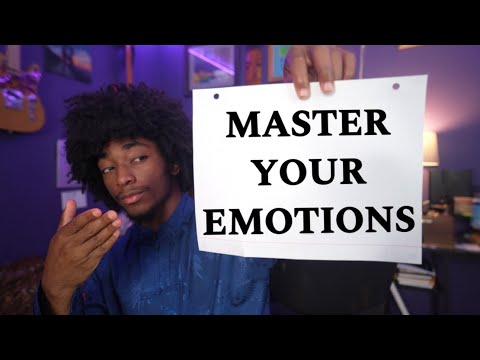
You know that feeling when you just get someone? Like, you read their emotions like a book? That’s emotional intelligence for you.
It’s less about IQ and more about how well you understand yourself and others. Seriously, it’s a game changer in life!
Emotional intelligence can help you manage stress, build better relationships, and just vibe with people on a deeper level.
Ever had that moment when you realized you reacted way too strongly to something? Yeah, me too. It’s all part of the journey of figuring things out.
So, let’s chat about how developing this super skill can really boost your personal growth. Trust me; it’s worth it!
Unlocking Personal Growth: The Essential Role of Emotional Intelligence
You know, emotional intelligence is one of those things that can totally change your life. Seriously! It’s like having a superpower that helps you manage your own feelings and understand others better. Emotional intelligence, or EI for short, plays a huge role in personal growth—let’s break it down.
First off, what exactly is emotional intelligence? Basically, it’s about being aware of your emotions and how they affect you and the people around you. Think of it as being tuned in to the radio station of your heart and mind. You pick up on feelings and navigate relationships more effectively.
So, why is this important for personal growth? Well, when you develop your EI, you improve several key areas:
- Self-awareness: This means really knowing yourself—your strengths, weaknesses, emotions, and triggers. Imagine realizing that you’re feeling anxious before a big meeting; that awareness lets you control those nerves instead of letting them spiral out of control.
- Self-regulation: This is all about managing your reactions. Let’s say someone cuts you off in traffic. Instead of losing it and maybe yelling or making rude gestures—which we’ve all been tempted to do—you pause and take a breath. That’s self-regulation!
- Empathy: This one’s huge! Being able to understand how someone else feels makes a world of difference in building relationships. Picture this: Your friend just lost their job. Rather than throwing unsolicited advice their way, you listen and validate their feelings instead.
- Social skills: Strong social skills help you communicate better with others. You know how some people just seem to connect easily? That’s often because they have high emotional intelligence.
Now imagine trying to grow personally without these skills—it would be tough! Developing emotional intelligence means less conflict with others, better professional relationships, and an overall sense of well-being.
If you’re thinking about working on these skills, here are some practical ways to start:
- Practice mindfulness: Just taking a few minutes each day to sit quietly can help increase self-awareness.
- Keep a journal: Writing down your thoughts and feelings can provide insights into your emotional patterns over time.
- Simplify communication: Be honest but kind when expressing yourself. Clarity can alleviate misunderstandings.
I once had a friend who struggled with conflict at work because he often jumped to conclusions during disagreements. When he started focusing on his emotional responses—like stepping back before responding—it changed everything for him. He became not just more respected among his colleagues but also felt more at peace inside himself.
The reality is that building emotional intelligence isn’t an overnight task; it’s more like planting seeds in fertile ground. With time, patience, and practice—those seeds will grow into something amazing that helps drive personal growth in ways you’d never thought possible!
You get me? The journey might feel long sometimes, but it’s incredibly rewarding when you see the changes unfold in your life!
Understanding Emotional Development: A Key Component of Personal Growth
Emotional development is, like, super important for personal growth. It’s all about how we recognize, understand, and manage our emotions over time. When you get a handle on your feelings, you’re not just learning about yourself; you’re setting the stage for healthier relationships and making better choices.
So what exactly does emotional development mean? Well, it’s the process of becoming aware of your emotions and those of others. This awareness helps you respond to situations in a more thoughtful way instead of just reacting impulsively. Picture this: when you’re faced with a tough situation at work, understanding why you’re feeling stressed can help you decide whether to tackle it head-on or take a step back first.
Here are some key points that highlight why emotional development is crucial:
- Self-awareness: It’s all about being able to identify your feelings accurately. If you can recognize when you’re feeling anxious or happy, for instance, it’s easier to manage those emotions.
- Empathy: Understanding how others feel is another big part of emotional growth. If a friend is down in the dumps, being able to sense their sadness helps you support them more effectively.
- Emotional Regulation: This means knowing how to control your emotions instead of letting them control you. So if someone cuts you off in traffic and you want to yell, pausing for a moment can lead to a chill reaction instead.
- Relationship Skills: Developing emotional intelligence enhances communication skills. When you’re good at expressing your feelings and recognizing what others are feeling too, your relationships improve.
Thinking back on my own life—like when I had a rocky friendship during high school—emotional development became clear. At first, I didn’t really get why my friend was upset all the time; I thought it was just her issue. But as I learned more about empathy and how emotions work, I realized she needed support while struggling through family stuff. It totally changed how we interacted.
Another important part is that emotional development isn’t something that happens overnight. It’s kind of like building muscle—you need practice and consistency over time! Engaging in conversations where people share their feelings helps sharpen these skills as well as seeking feedback from trusted friends or family members.
In essence, developing your emotional intelligence leads you towards personal growth in so many areas! You learn self-acceptance and build resilience along the way. The journey might not always be easy—it involves facing uncomfortable feelings—but hey! Every step brings new insights into who you are and who you’d like to become.
So yeah, paying attention to your emotional growth? Totally worth it if you’re looking toward personal development! And remember: it’s okay not to have everything figured out right away; just keep working on it bit by bit!
Unlocking Personal Growth: Practical Examples of Developing Emotional Intelligence
Emotional intelligence, or EQ, is all about how we handle our emotions and interact with others. It’s like having a superpower for understanding feelings—both yours and other people’s. Developing this can seriously lead to personal growth, but it takes practice. Here are some practical examples of how you can boost your emotional intelligence.
1. Self-Awareness: Start by tuning into your own feelings. When you notice you’re feeling off, take a moment. Ask yourself why you’re feeling that way. Is it stress from work or something else? Keeping a journal can help with this process; just jot down your emotions daily to see patterns.
2. Self-Regulation: Once you know how you’re feeling, it’s time to manage those emotions. Let’s say you realize you’re angry during a team meeting because someone dismissed your idea. Instead of lashing out, take a deep breath and choose to respond calmly. Practice techniques like deep breathing or counting to ten before reacting.
3. Empathy: This one’s huge! Putting yourself in someone else’s shoes can change everything in communication. If a friend is upset, instead of jumping straight into problem-solving mode, listen first and validate their feelings. You might say something like, “I can see why that would hurt,” which shows you understand where they’re coming from.
4. Social Skills: Building strong social connections requires some effort too! Join clubs or groups that match your interests; it’s an awesome way to practice communicating with others in different situations without the pressure of formal settings.
5. Motivation: Personal goals are key here—set them and push yourself toward them! Imagine you’ve been wanting to learn guitar but keep putting it off because you’re afraid you might fail. Start small by dedicating just ten minutes a day to practice; celebrate those little victories!
It’s kind of like developing muscles—the more you work on these skills, the stronger they get over time! One important aspect is not being hard on yourself when things don’t go perfectly at first; personal growth is sometimes messy and unpredictable.
So remember, emotional intelligence isn’t just for professionals or leaders; it’s something we all need for daily interactions and relationships—like managing our feelings better or connecting deeper with friends and family members.
In the end, working on emotional intelligence will not just help you feel better about yourself but will also enhance your relationships and overall life experience!
You know, emotional intelligence is one of those things that often gets overlooked, but it can really change the game when it comes to personal growth. We’re all humans, right? We feel stuff, and sometimes those feelings can knock us off balance. Learning to recognize and manage your emotions doesn’t just help you get through your day; it helps you connect with others in a way that’s pretty powerful.
I remember a friend of mine, let’s call her Sarah. She always seemed to have this special knack for reading the room. Like, we could be at a gathering where everyone was feeling kind of awkward, and somehow she’d know just what to say or do to lighten the mood. One time at a party, someone started talking about their struggles with anxiety. Instead of steering away from the topic or trying to change it, Sarah listened attentively and shared her own experience. It was such an eye-opener; I realized how important it is to understand not just our feelings but those of others too.
Emotional intelligence involves being aware of your own emotions—like figuring out why on earth you’re feeling upset or stressed about something simple. And also noticing how other people are reacting and what they might be feeling. That skill can help you respond more thoughtfully instead of just reacting in the heat of the moment.
You might be wondering how to develop this superpower! Well, it’s not magic; it takes practice. Start small: try keeping a journal where you note down your feelings each day. Reflect on what made you feel good or bad and why that was! You’d be surprised at what surfaces when you start digging into your own emotional landscape.
And there’s something else too—empathy is a huge part of emotional intelligence. When you’re able to step into someone else’s shoes for just a moment, everything shifts. You become more compassionate—not only for them but also for yourself! Because let’s face it—nobody’s perfect; we all struggle in our own ways.
So yeah, developing emotional intelligence isn’t just about bettering yourself—it opens doors for deeper connections with friends, family, even colleagues. Life becomes fuller when you’re tuned into your emotions and aware of others’. It takes time and effort but trust me; it’s worth every bit.