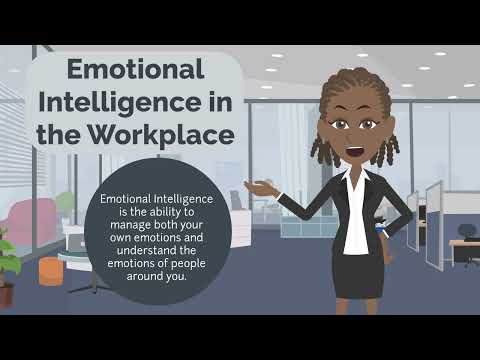
You know how some people just seem to get you? They read the room, pick up on your vibes, and totally know how to respond. That’s emotional intelligence for you.
Now, imagine bringing that kind of awareness into the workplace. Sounds like a game changer, right?
Mental health at work is a big deal these days. Stress, burnout, and all that jazz can really take a toll on us. But here’s the kicker: emotional intelligence could be the secret sauce we need to make things better.
When we understand our feelings and those of others, it creates this awesome environment where everyone can thrive. So, let’s dive into how this all plays out in our everyday work lives!
Unlocking Emotional Intelligence in the Workplace: A Comprehensive PDF Guide
Emotional intelligence, or EI, is super important in the workplace. It’s basically your ability to recognize, understand, and manage your own emotions, as well as those of others. When you think about it, we spend so much of our time at work. So being emotionally intelligent can really impact both mental health and the overall vibe of the workplace.
In a nutshell, there are four main components to emotional intelligence:
- Self-awareness: This means knowing what you feel and why—like when you’re frustrated but can pinpoint what caused it.
- Self-regulation: This is about managing those feelings effectively—not letting anger take over when a project doesn’t go as planned.
- Social awareness: It involves understanding others’ emotions. You might notice that a colleague seems off and ask if they’re okay.
- Relationship management: This is how you handle interactions with others. Think collaborating smoothly with your team and resolving conflicts calmly.
Now, let me tell you why this matters for mental health at work. Picture Sarah—she’s been feeling really stressed because her workload has skyrocketed recently. If her boss had high emotional intelligence, they’d notice Sarah looks overwhelmed and might check in with her. That simple act could help create a supportive environment where employees feel valued, which can ease stress levels significantly.
On the flip side, workplaces lacking emotional intelligence often have poor communication and elevated stress levels. You’ll see things like misunderstandings leading to conflicts or employees feeling isolated because no one notices they’re struggling.
Emotional intelligence isn’t just soft skills—it’s tied directly to performance too! Research shows that teams with high EI are more productive and have lower turnover rates. When people can express their feelings constructively, they’re less likely to burn out.
So how do we “unlock” this EI? Training programs can be super helpful here! Workshops focusing on empathy exercises or conflict resolution techniques teach employees to navigate their own emotions while being mindful of others’. Even spending time reflecting on personal experiences influences our self-awareness—like asking questions such as “What made me upset today? How could I have reacted differently?”
And let’s not forget about leadership! Leaders who model emotional intelligence set the tone for their teams. If managers lead with empathy and openness, it creates a culture where everyone feels safe sharing concerns or ideas.
In summary, boosting emotional intelligence in the workplace is crucial for cultivating a healthy environment where employees flourish both mentally and professionally. It’s about creating connections that foster support—and that totally makes working together way more enjoyable!
Boost Workplace Harmony: Practical Examples of Emotional Intelligence in Action
Emotional intelligence (EI) is a big deal when it comes to workplace harmony. Basically, it’s about being aware of your own emotions and understanding those of others. This skill can help you navigate the sometimes tricky waters of office dynamics. Here’s how emotional intelligence can play out in real life.
Understanding Emotions
So picture this: you’re in a meeting, and someone’s not contributing much. Instead of just thinking they’re shy or disengaged, an emotionally intelligent person might notice their body language and facial expressions. Maybe they look stressed or frustrated. Recognizing these signs allows you to approach them later on, maybe with a friendly chat to see if there’s something going on. This really helps build trust!
Conflict Resolution
Conflicts are bound to happen at some point, right? But here’s where EI shines. When a disagreement arises, someone with high emotional intelligence will focus on understanding both sides instead of immediately trying to “win.” They keep calm and listen actively, making sure everyone feels heard. For example, let’s say two team members argue over the direction of a project. An emotionally savvy mediator might say something like, “I see both of you have valid points; let’s find some common ground.” It shifts the focus from fighting to collaborating.
Empathy in Action
Empathy is one of the cornerstones of emotional intelligence. It means putting yourself in someone else’s shoes and feeling what they feel. If a colleague seems overwhelmed with work, an emotionally intelligent person might offer help—like taking over some tasks or just lending an ear for support. You know how sometimes all we need is someone who gets it? That kind of supportive action makes for a more pleasant workspace.
Communication Skills
Clear communication is key! Emotionally intelligent folks usually express themselves well—not just in words but also non-verbally. They know when to tone down their voice or adjust their body language based on the situation at hand. Imagine you’re delivering feedback to someone who didn’t perform well on a task; using soft but firm language can make all the difference.
Culture Building
In workplaces where emotional intelligence thrives, the culture often becomes more open and inclusive. Leaders who embody EI set an example by encouraging conversations about feelings and mental health—kind of like normalizing those topics so everyone feels comfortable sharing what’s bothering them or celebrating wins together.
In summary, boosting workplace harmony through emotional intelligence isn’t just about knowing your own feelings; it’s about connecting with others too. By understanding emotions, resolving conflicts smoothly, practicing empathy, honing communication skills, and building a supportive culture—everyone benefits from improved mental health in the workplace overall! Life at work could get way better by simply being more aware and connected emotionally!
Unlocking Success: Understanding Emotional Intelligence in the Workplace
So, let’s talk about emotional intelligence, or EQ if you like. It’s basically your ability to understand and manage your own emotions, as well as the emotions of others. You know how sometimes at work, things can get a little tense? Well, that’s where EQ comes into play. Having a good grasp of emotional intelligence can really unlock success in the workplace and improve everyone’s mental health.
First off, what is Emotional Intelligence? It’s not just about being “nice” or friendly. Emotional intelligence involves several key components:
- Self-awareness: Recognizing your own emotions and how they affect your thoughts and behavior.
- Self-regulation: Managing your emotions in healthy ways, like keeping calm under pressure.
- Motivation: Having that internal drive to achieve goals for reasons beyond money or status.
- Empathy: Understanding other people’s feelings and perspectives, which helps build connections.
- Social skills: Those interactions with others that help you communicate effectively and resolve conflicts.
Having high emotional intelligence means you’re more likely to handle conflicts gracefully. I remember when my friend Anna was working with a difficult team member who always seemed grumpy. Instead of getting frustrated, she tried to understand why he felt that way. Turns out he was dealing with personal issues outside of work! By showing empathy and offering support rather than judgment, she created an environment where everyone felt more comfortable sharing their thoughts.
Now let’s look at why this matters for workplace mental health. When people feel supported emotionally, it changes the whole vibe of the office—seriously!
- Cultivating Trust: Teams with high EQ tend to trust each other more. This makes it easier for people to ask for help without fear of judgment.
- Avoiding Burnout: When leaders are tuned into their team’s feelings, they can spot signs of burnout early on and address them before they explode into bigger problems.
- Fostering Collaboration: High EQ encourages better teamwork because colleagues feel safe sharing ideas without worrying about criticism.
Think about meetings for a second. If everyone brings their A-game emotionally—like being aware of how stress affects group dynamics—the whole experience becomes way less draining.
The flip side is pretty real too. If someone lacks emotional intelligence at work—let’s say the boss doesn’t consider team morale—it could lead to misunderstandings or conflict. I’ve seen teams go downhill fast when communication breaks down; it makes everything feel heavy rather than collaborative.
Also consider this: many people struggle with their mental health while on the job. Having high EQ helps identify those who might need extra support—you know? It gives co-workers the chance to step in if someone seems off.
So basically, nurturing emotional intelligence within teams isn’t just fluff; it’s crucial for creating a healthy workplace environment that supports mental well-being. The productivity boost is just icing on the cake! And honestly? Making room for emotional awareness could be what pushes you from just doing okay to actually thriving at work.
All in all, whether you’re a leader or part of a team, focusing on emotional intelligence can open up doors not just personally but across your entire workspace too! Think about how much stronger your workplace relationships could be when everyone feels understood and valued—that’s powerful stuff!
Emotional intelligence, or EQ, is like the secret sauce that can really spice up the work environment. You know, it’s that ability to understand your own emotions and those of others. Think about it—have you ever had a boss who just didn’t get what you were going through? It’s frustrating, right? But when someone has high emotional intelligence, they pick up on the team’s feelings and adapt their approach. They create a more supportive atmosphere where folks feel valued.
I remember this one time at my old job, we had a big project that was super stressful. Everyone was on edge. Then our manager called a meeting—not to micromanage but to check in on how everyone was feeling. It was refreshing! She encouraged us to share our thoughts and concerns, and honestly, it made a world of difference. Suddenly, we were more connected and less anxious about deadlines.
When you’ve got people who can read the room well, it helps in managing conflicts too. Instead of tensions bubbling over into workplace drama or misunderstandings, there’s this open channel for communication. It’s like lifting a weight off everyone’s shoulders.
But emotional intelligence is not all about being nicey-nice; it’s also about recognizing when someone needs support but might not ask for it directly. Say your colleague looks a bit down; an emotionally intelligent person would notice that vibe and might reach out or even just offer a listening ear. That connection can make people feel less isolated at work.
In terms of mental health, workplaces with high emotional intelligence tend to have lower rates of burnout and anxiety because employees feel safer expressing their struggles without fear of judgment. It kind of creates this nurturing culture where mental well-being is prioritized.
So yeah, as we navigate our work lives full of deadlines and demands, having emotional intelligence in the mix is huge—it not only improves communication but creates spaces where everyone’s mental health can thrive!