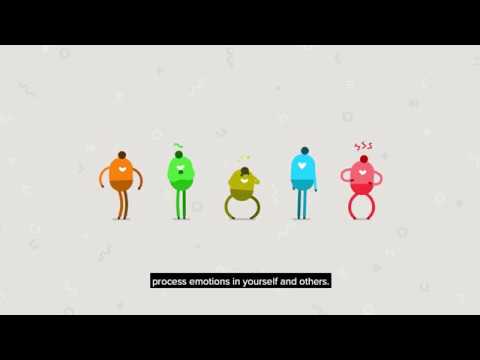
You know how sometimes, kids just don’t seem to get it? Like, they’re bright but struggle with feelings. It’s like they’re missing a piece of the puzzle.
Well, that’s where emotional intelligence comes in. It’s all about understanding feelings—yours and others’. Can you imagine if classroom time was more about connecting than just math or science?
When kids learn to read emotions, it changes everything. They become better friends, students, and even leaders. Seriously, it can transform the whole vibe of a classroom.
So let’s chat about how we can build this superpower in kids. You in?
Enhancing Classroom Success: A Comprehensive Guide to Building Emotional Intelligence in Students (PDF)
Building emotional intelligence in students is a super important piece of the puzzle when it comes to classroom success. Basically, emotional intelligence, or EI for short, means being able to recognize, understand, and manage your own emotions as well as those of others. It’s everything from empathy to self-regulation. When students get better at this stuff, they tend to do better academically and socially.
First off, let’s break down **why** emotional intelligence matters in a classroom setting. You see, when kids can handle their emotions well, they’re less likely to act out or get overwhelmed by stress. Instead of shutting down during a tough math test or lashing out at classmates over something small, they can pause and think before reacting. You can almost see the gears turning in their minds.
So here are some key aspects you might want to consider when building EI in the classroom:
- Modeling Behavior: Kids learn a lot from watching adults. If teachers model emotional awareness and regulation—like talking about their feelings or how they deal with stress—students will pick up on that.
- Fostering Communication: Create a space where kids feel safe expressing their feelings. Simple check-ins at the start of class can help them share how they’re feeling that day without judgment.
- Teaching Empathy: Activities like role-playing or discussing different perspectives can help students understand others’ feelings. It’s like putting on someone else’s shoes for a bit.
- Encouraging Self-Reflection: Give them time to think about their emotions in different situations. Journaling can be a helpful tool for this—writing things down often clarifies thoughts and feelings.
- Setting Goals: Help students set personal goals related to their emotional skills. Whether it’s being calmer during frustrating lessons or finding better ways to resolve conflicts with peers.
There’s this interesting example from a school that really dug into enhancing EI among its students. They introduced “feelings days” where everyone could share what kind of day they were having—good vibes only! This simple act boosted empathy among classmates because suddenly everyone was aware that not everyone is always feeling great.
Creating games and activities related to emotional learning is also super effective. Think about something fun like emotion charades where kids have to guess others’ feelings based on facial expressions or body language—it gets them thinking while having fun!
And then there’s feedback—that part is crucial too! When giving feedback on both academic work and behavior, be sure to include elements related to emotional understanding. For example, instead of just saying “Great job on your presentation!” you might add “I loved how you included everyone’s opinions; it shows great teamwork.”
So yeah, incorporating these strategies into daily routines not only helps improve emotional intelligence but also fosters an environment where students feel connected and supported. That connection? It’s priceless! Building these skills doesn’t just help them now; it sets them up for success later on in life too.
In essence, focusing on **emotional intelligence** isn’t just about making kids feel good; it’s actually about equipping them with essential tools for navigating the world around them—socially and emotionally healthy individuals ready to take on whatever comes next!
Effective Strategies for Building Emotional Intelligence in Classroom Settings
Building emotional intelligence (EI) in classroom settings can have a big impact on students’ academic success and their overall well-being. When kids learn how to understand and manage their emotions, they become better at handling relationships and challenges in school, you know? Here’s a closer look at some effective strategies that teachers can use to nurture EI among students.
First off, it’s essential to create a safe and supportive environment. When students feel understood and valued, they’re more likely to open up about their feelings. This could be as simple as starting each class with a check-in. Ask everyone how they’re feeling. You might say something like, “On a scale from 1 to 10, how are we doing today?” It sounds basic, but it helps kids get used to articulating their emotions.
Another strategy is integrating social-emotional learning (SEL) into the curriculum. SEL isn’t just a buzzword—it’s about teaching skills like empathy, self-regulation, and relationship building right alongside academics. For instance, discuss characters in books or stories and ask students how they think those characters feel. This way, you help them step out of their own shoes for a moment.
Role-playing is also super effective! Kids can practice responding to different social situations through role-play activities. Create scenarios where they might need to resolve conflicts or express feelings safely through acting it out together. It can be eye-opening for them.
Setting up peer feedback sessions encourages open communication among classmates. Let kids share constructive feedback about each other’s work—gently though! This not only boosts emotional awareness but also cultivates teamwork.
Being mindful of your own emotional responses as an educator is crucial too. You’re like the captain of the ship here! When you model healthy ways of managing stress or disappointment, your students notice that—and they learn from watching you deal with tough situations calmly.
Finally, incorporating mindfulness exercises can help students tune into their feelings better. It doesn’t have to be long; even five minutes of deep breathing or guided visualization can ground them before lessons start.
In summary, there are so many ways teachers can foster emotional intelligence in classrooms: from creating safe spaces for sharing emotions to engaging kids through role-play and peer interactions. The more we equip our young people with these skills now, the better prepared they’ll be for whatever life throws at them later on!
Unlocking Emotional Intelligence in Adults: Strategies for Personal and Professional Growth
Building emotional intelligence (EI) as an adult can feel like a tall order, but it’s so worth it. Emotional intelligence is basically your ability to recognize and manage your emotions, as well as the emotions of others. Think about the last time you had a tough conversation with someone. Did you pick up on their feelings? Did you respond in a way that helped both of you? That’s a sign of emotional intelligence in action!
First off, **self-awareness** is key. This means knowing what you’re feeling at any given moment and understanding why. For instance, if you notice you’re getting irritated during a meeting, ask yourself what’s causing that irritation. You might realize it’s because you feel unheard or overwhelmed. Being aware of these feelings helps you manage them better.
Another important aspect is **self-regulation**. This is all about controlling your reactions. If someone says something frustrating at work, instead of snapping back right away, take a deep breath and think it through first. Maybe they’re having a bad day too? Responding calmly can help defuse tension.
Then there’s **social awareness**, which involves being tuned into the feelings around you. It’s not just about interpreting words; it’s picking up on body language and tone of voice too. Like when someone looks down in a group setting—taking a moment to check in with them can completely change the dynamic.
And let’s not forget about **relationship management**! This is where your communication skills come into play. Good relationships thrive on empathy and communication; being able to have tough conversations compassionately makes such a difference in both personal and professional settings.
Here are some strategies for building emotional intelligence:
- Practice mindfulness: Take some quiet time each day to reflect on your emotions without judgment.
- Seek feedback: Ask trusted friends or coworkers how they perceive your emotional responses.
- Develop empathy: Try putting yourself in someone else’s shoes during conflicts or disagreements.
- Engage in active listening: Focus fully on the speaker without formulating your response while they’re talking.
- Keep learning: Read books or take workshops on emotional intelligence to gain more insights.
For example, I once knew someone who had trouble with self-regulation during team projects at work. She would often interject when others were speaking because she felt her ideas were ignored. After realizing how this affected her relationships, she started practicing active listening techniques and simply made notes instead of interrupting. The result? Not only did she contribute more effectively, but her colleagues also felt heard and respected.
Finally, remember that building emotional intelligence is an ongoing journey—you’re not going to perfect it overnight! Take small steps every day, be patient with yourself, and watch how these strategies create ripples across both personal growth and professional development. Each step makes such a big difference!
You know, when I think about emotional intelligence in the classroom, it really strikes me how important it is. Like, we’re not just teaching kids math or science; we’re helping them learn how to navigate their feelings and connect with others. That’s a big deal, right?
I remember a time in high school when things felt super overwhelming. My best friend was going through a tough breakup, and I had my own stuff happening at home. We both felt like we were drowning in our emotions. But then, we had this amazing teacher who held these little discussions about feelings—like, not just “What do you feel?” but digging deeper into why we felt that way and how to express it better. Those moments helped us feel less alone.
So, building emotional intelligence in classrooms isn’t just about sharing tools for managing emotions; it’s also about creating an environment where kids can safely explore their inner worlds. It’s crazy how simply naming what you’re feeling can change everything! Instead of bottling up anger or sadness, students could learn to articulate emotions and find healthier ways to cope.
And let’s be real here—conflict resolution is pretty much a life skill everyone needs. Teaching kids to recognize their feelings helps them understand others’ perspectives too. That’s key for teamwork! Imagine being in a group project and instead of arguing over different ideas, everyone actually listens because they understand where each person is coming from. So much smoother!
But there’s a balance here, right? Teachers need the right resources and support as well because working on emotional intelligence isn’t usually part of their training. It can be tough to juggle all that while also covering the curriculum.
To wrap it up, when teachers prioritize emotional intelligence alongside academic subjects, they’re giving students lifelong skills they’ll carry forward into adult life—skills for connecting with people and managing their own magical (and sometimes messy) feelings! And honestly? That’s what makes a truly supportive classroom atmosphere.