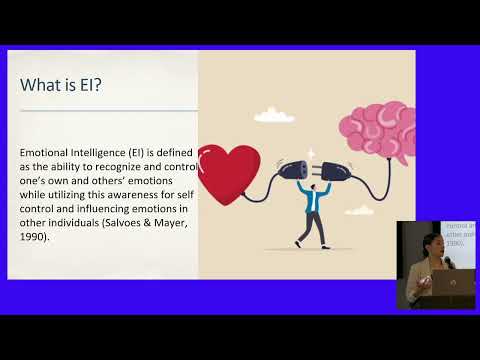
You know that feeling when you just get what someone’s going through? It’s like a light bulb moment, right? That’s emotional intelligence, and it’s super important for our mental well-being.
But here’s the thing: a lot of us don’t really pay attention to our own emotions. We’re caught up in life—work, family, friends. It’s easy to lose sight of how we feel and why we feel that way.
So, what if there was a way to check in with yourself? A little self-assessment could help clear some things up. It’d be like taking your emotional temperature.
Let’s dig into this together! Finding out more about your emotional intelligence might just give you the boost you need for better mental wellness. Sounds good?
Unlocking Mental Wellness: Your Essential Guide to Emotional Intelligence Self-Assessment (Free PDF)
Emotional intelligence, or EI, is like a superpower in our emotional toolkit. It helps you understand your feelings and the feelings of others. Basically, it’s about being in tune with yourself and your relationships. When you’re emotionally intelligent, you’re better at handling stress, navigating social situations, and even making decisions.
Self-assessment of your emotional intelligence can be a game changer for your mental wellness. By figuring out where you stand, you can identify your strengths and areas to improve. So, how does this self-assessment work? Let’s break it down.
First off, emotional intelligence generally has a few key components:
- Self-awareness: This is knowing what you’re feeling and why. Think about that time you felt anxious before a big meeting—recognizing that feeling as anxiety is the first step.
- Self-regulation: This is all about managing those emotions. Instead of snapping when you’re frustrated, maybe you take a deep breath and reflect before responding.
- Motivation: It’s what drives you to achieve goals. If you’re striving for personal growth or professional success just because it makes you feel fulfilled—that’s motivation in action!
- Empathy: This involves understanding others’ feelings. You know how comforting it is when a friend really gets what you’re going through? That’s empathy.
- Social skills: These help in building strong relationships and navigating social networks. Imagine being at a party and effortlessly chatting with everyone—that’s what strong social skills look like!
Now that we know the components of emotional intelligence, how can you assess yours? Self-assessment tools often come in the form of questionnaires or quizzes where you’ll respond honestly about how you usually handle various emotional situations.
Think of some questions that might pop up:
– How often do I recognize my own feelings?
– Am I able to control my reactions during stressful times?
– Do I genuinely try to understand other people’s perspectives?
Answering these questions can shed light on where you’re excelling and where there’s room for growth.
After completing an assessment, it’s crucial to reflect on your results. But don’t beat yourself up over them! Everyone has areas they need to work on—it’s part of being human!
So maybe if you’ve noticed self-regulation isn’t your strongest area—you tend to fly off the handle or feel overwhelmed—this could be a sign to explore techniques like mindfulness or journaling. It helps ground those intense emotions!
Lastly, applying what you’ve learned from the assessment can really spark positive changes in your life! Pick one area you’d like to focus on first; small steps go a long way towards improvement.
And hey, remember: enhancing your emotional intelligence isn’t just beneficial for yourself; it also enriches your relationships with others. When you’re more attuned to emotions—yours and theirs—you create deeper connections.
So really think about diving into an emotional intelligence self-assessment as an essential part of taking charge of your mental wellness journey!
Boost Your Mental Wellness: A Self-Assessment Guide to Emotional Intelligence
Well, let’s chat about emotional intelligence, or EQ, which is super important for your mental wellness. Emotional intelligence is basically your ability to recognize and understand your own feelings and those of others. Think of it like having a special radar for feelings. This can really help you navigate relationships and manage stress better. So, how do you find out where you stand on the emotional intelligence scale? Let’s break it down.
Self-Awareness
First things first, you need to focus on self-awareness. That simply means being in tune with your own emotions. Ask yourself questions like, “How do I feel right now?” or “What triggered this emotion?” For example, if you’re feeling anxious before a big presentation, recognize that and perhaps practice some breathing exercises to calm those nerves.
Self-Regulation
Next up is self-regulation. This refers to how well you manage your emotions. Can you control impulsive feelings and behaviors? Try reflecting on moments when you’ve felt angry or stressed. Did you react right away? Or did you take a step back? It’s all about finding that balance; like when something annoys you at work but instead of snapping at someone, you take a breath and choose a more constructive response.
Motivation
Now let’s talk about motivation—this isn’t just about getting up and going to work every day (though that helps!). It’s more about what drives you internally. Think about what inspires you or makes you happy. Maybe it’s creating art or volunteering; these activities can enhance your overall mental health.
Empathy
Empathy might be one of the trickiest parts of EQ but also one of the most rewarding! It involves understanding how others feel and responding appropriately. So, when your friend is going through a tough time, rather than offering generic advice, try really listening to them first—like genuinely asking how they’re feeling without jumping in with solutions right away.
Social Skills
Lastly, social skills are crucial in building relationships. How well do you communicate? Do you resolve conflicts easily? Reflect on past interactions: What worked out well? And what didn’t? Good social skills help create strong bonds with others—a solid support system for mental wellness!
In short, by regularly assessing these five areas—self-awareness, self-regulation, motivation, empathy, and social skills—you’re taking steps towards boosting your emotional intelligence.
It’s kind of like checking in with yourself regularly; like any good friend would do! And remember: improving EQ takes time—it’s not all gonna click overnight—but every little bit helps! Just think of it as an ongoing journey toward better mental wellness—something we all could use more of!
Unlock Your Mental Wellness: Take an Online Emotional Intelligence Self-Assessment
Emotional intelligence, or EQ, is like that secret superpower we all have, but sometimes forget to use. It’s basically about understanding our emotions and the emotions of others. When you tap into your emotional intelligence, you can improve your mental wellness in many ways. So, what’s the deal with those online self-assessments?
Taking an online emotional intelligence self-assessment can give you some valuable insights. It typically asks questions about how you handle your feelings and interact with other people. This is where it gets really interesting. The results can help pinpoint areas where you might want to grow or shift your focus.
- Self-Awareness: Do you know what emotions you’re feeling and why? Self-awareness helps you recognize triggers—like when someone cuts you off in traffic! Understanding these reactions can help you respond instead of react.
- Self-Regulation: Can you control your impulses? When you’re feeling overwhelmed, stopping to breathe before reacting is a great skill to have. Imagine being at work when a colleague critiques your project—this is where good self-regulation kicks in!
- Empathy: How well do you pick up on others’ feelings? If a friend seems down, being able to notice that and ask if they’re okay shows strong empathy. This builds deeper connections and enhances your relationships.
- Social Skills: Are you good at resolving conflicts? Maybe there’s been a misunderstanding with a sibling lately? Being able to talk things through without escalating tension is key, right?
- Motivation: What drives you emotionally? Understanding this helps maintain focus on goals, whether it’s personal or professional growth.
The cool thing about these assessments is that they’re usually straightforward and user-friendly. You answer questions about how often certain situations happen and how you’d react. Then it spits out a result!
You might discover that your empathy skills are top-notch but self-regulation could use some work—and that’s totally okay. The point isn’t to be perfect; it’s about growing and realizing hey, I’m not alone in this journey!
Your results aren’t just numbers; think of them as an emotional roadmap guiding your next steps toward improving mental wellness. After taking the assessment, set some intentions for yourself based on what you’ve learned.
This journey isn’t about shame or blame. It’s more like checking in with yourself—like giving yourself a mental health check-up! Just remember: it’s normal to feel some discomfort when facing areas for improvement, but that’s where growth happens.
If you ever feel overwhelmed by the results or need support using this info, reaching out for help from a therapist or counselor can make all the difference too.
The bottom line here is that taking an emotional intelligence self-assessment can be a really powerful tool in unlocking better mental wellness for yourself—and who doesn’t like having more tools at their disposal?
You know, emotional intelligence (EI) is a big deal when it comes to mental wellness. It’s all about how you understand and manage your own emotions, and also how you relate to others. So, taking a step back to assess your emotional intelligence can really open your eyes.
Think about the last time you were stressed out or angry. Did you shout at someone, or did you take a moment to breathe and sort through your feelings? That’s the kind of stuff emotional intelligence helps with. When you take an honest look at how you handle emotions, it can be like pulling back the curtain on what’s really going on inside.
I remember this one time I was totally overwhelmed with work and life in general. I snapped at a friend over something trivial—totally not cool! Afterward, I realized that my frustration wasn’t really about them; it was about my inability to cope with stress. Reflecting on that helped me see my own patterns better.
To gauge where you stand with EI, consider some questions: How do you react when things don’t go your way? Are you able to empathize with others even when you’re busy dealing with your own stuff? And let’s not forget self-awareness—do you know what triggers your feelings?
Taking stock of all this can feel a bit uncomfortable but trust me, it’s worth it. You start noticing connections between your feelings and your actions, which can help reduce anxiety and improve relationships. You might find that simply being aware is the first step toward making changes that boost your overall mental wellness.
So yeah, whether it’s by journaling or having honest conversations with yourself (or even a therapist), diving into emotional intelligence could be one of the best things for your mental health journey! The clearer picture you get of yourself, the better equipped you’ll be to handle whatever life throws at ya.