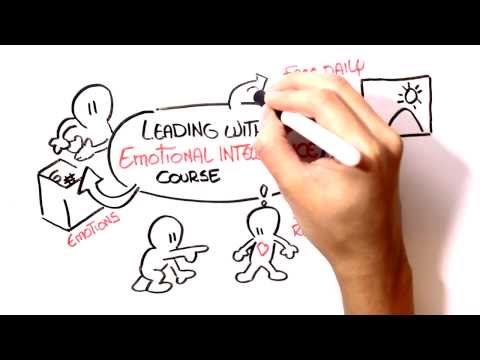
You know how some days at work just feel… heavy? Like, everyone’s on edge, and you can cut the tension with a knife.
Well, that’s where emotional intelligence comes in. Seriously, it’s like this secret sauce for making things better.
Imagine being able to navigate those tricky conversations or pick up on when someone needs a little support. Sounds great, right?
Emotional intelligence isn’t just a buzzword. It’s about connecting with yourself and others. And guess what? It can turn your workplace vibes around.
Let’s chat about how tuning into emotions can boost not just your own wellbeing but also create a healthier environment for everyone around you!
Unlocking Workplace Wellbeing: A Guide to Harnessing Emotional Intelligence
When we talk about workplace wellbeing, emotional intelligence (EI) plays a super important role. So, what’s emotional intelligence? It’s basically the ability to understand and manage your own emotions while also recognizing and influencing the emotions of others. Sounds simple, but it can be a game changer in your work life.
First off, let’s break down why emotional intelligence matters at work. When you have high EI, you’re better at handling stress. You know how to read the room—like when your coworker is feeling overwhelmed and needs a hand or when tensions are rising during a meeting. This ability helps create a healthier workplace culture where everyone feels respected and understood.
Here are a few key aspects of emotional intelligence that can boost workplace wellbeing:
Let me share a little story here—I once knew someone named Sarah who worked in an office where stress was just part of the job description. One day her team was hit with tight deadlines on multiple projects; tensions were running high! Instead of letting it escalate, Sarah tapped into her EI skills. She organized quick check-ins with her coworkers to see who needed help or just wanted to vent for a minute. That simple act made everyone feel more supported and helped ease some of that pressure.
The benefits of harnessing emotional intelligence in the workplace are plenty:
– Improved job satisfaction: When people feel understood and valued, they’re happier at work.
– Better communication: High EI helps reduce misunderstandings.
– Enhanced teamwork: It promotes collaboration by creating stronger bonds among coworkers.
– Lower turnover: Employees are less likely to leave if they feel emotionally supported.
Of course, developing these skills isn’t always easy—you gotta practice! Think about starting small by focusing on one aspect of EI at a time. Speak up when you’re feeling stressed instead of bottling it up or try being more attentive when someone is talking about their day.
Incorporating emotional intelligence into everyday routines at work doesn’t have to be complicated either. Just being aware of your emotions can lead to positive changes over time.
So remember, by boosting emotional intelligence in the workplace, you’re not just helping yourself; you’re also contributing to an overall healthier environment for everyone around you! And that sounds like something worth working towards, right?
Unlocking Workplace Success: A Comprehensive Guide to Emotional Intelligence in the Workplace (PDF Download)
Emotional intelligence (often called EQ) plays a super important role in workplace success. It’s not just about being smart; it’s about how you manage your emotions and understand others’. When you think about it, working with people is all about connecting. That’s where EQ comes in.
What Is Emotional Intelligence?
So, emotional intelligence is basically your ability to recognize and manage your own emotions, plus the emotions of those around you. It’s like having a special radar for feelings! You know when someone seems off? With high EQ, you’d pick up on that pretty quickly.
Why Does It Matter?
It’s huge for several reasons:
- Better Communication: When you understand your own feelings, you communicate more clearly.
- Stronger Relationships: People with high EQ tend to build better relationships at work.
- Conflict Resolution: You’re more equipped to handle disagreements without escalating things.
- Improved Performance: Emotionally intelligent teams often perform better because they can collaborate effectively.
Think about a time when you had a disagreement with a coworker. Maybe they were stressed and snapped at you. If you’ve got high emotional intelligence, you’d recognize their stress might be affecting their behavior. Rather than taking it personally, you’d respond with empathy. This helps defuse tension and opens the door for better communication.
The Components of Emotional Intelligence
There are generally four main parts people talk about:
- Self-Awareness: Knowing what you’re feeling and why—super crucial!
- Sensitivity to Others: Recognizing others’ emotions and responding appropriately.
- Self-Regulation: Keeping your cool even when things get tough.
- Sociability: Building relationships—like being friendly but also knowing when to set boundaries.
When you’re self-aware, for example, if you’re feeling anxious before a presentation, instead of freaking out or avoiding it altogether, you acknowledge that anxiety. Then you can take steps to manage it—maybe through deep breathing or practicing beforehand.
Cultivating Emotional Intelligence in the Workplace
Alright, so how do we actually boost our emotional intelligence? Here are some things that can help:
- Pilot Self-Reflection: Spend time thinking about how your emotions affect your work. Journaling can help!
- Meditation:A little mindfulness goes a long way in building self-awareness and regulation.
- Acknowledge Team Dynamics:Tune into group vibes during meetings or team activities—what feels right? What doesn’t?
You know what else helps? Open conversations! Encourage an environment where everyone feels comfortable sharing their thoughts and feelings. This builds trust.
The Bottom Line
Incorporating emotional intelligence into the workplace isn’t just fluff—it literally changes how teams function. You foster an atmosphere where everyone feels valued , thus paving the way for engagement and productivity.
If leaders prioritize emotional intelligence training alongside regular skills training, you’re looking at happier employees who stick around longer! Isn’t that something worth striving for?
Unlocking Emotional Intelligence and Resilience: Your Essential PDF Guide
Emotional intelligence and resilience are like the dynamic duo of workplace well-being. They help you navigate challenges and build better relationships at work. Let’s break this down a bit.
Emotional intelligence (EI) is basically your ability to understand and manage your own emotions, as well as recognize and influence the emotions of others. It’s like having a superpower for social situations. Think of someone who can sense when a coworker is stressed and offer support—that’s emotional intelligence in action!
On the other hand, resilience is your ability to bounce back from setbacks. Life throws curveballs, right? Resilient people adapt and recover quicker. It’s that inner strength that keeps you going when things get tough.
So, how do these two concepts work together? Well, when you develop your emotional intelligence, you’re also building resilience. Here are some key points to consider:
- Self-awareness: Knowing your emotions can help you manage them better. If you’re feeling overwhelmed, acknowledging it can lead to healthier coping strategies.
- Empathy: Understanding how others feel allows for stronger connections and teamwork. Imagine being able to calm down a tense meeting just by recognizing someone else’s anxiety.
- Effective communication: When you know what triggers your emotions, you can express yourself in a constructive way. Clear communication reduces misunderstandings.
- Coping strategies: Developing healthy ways to cope with stress—like mindfulness or exercising—can enhance both EI and resilience.
Here’s an example: Imagine you’re working on a big project, but things aren’t going as planned. Instead of panicking or blaming others (which is easy to do), someone with high emotional intelligence might take a step back, acknowledge their feelings, and communicate their concerns calmly with the team. That creates space for problem-solving instead of finger-pointing.
And there’s more! Think about feedback. People high in emotional intelligence are usually better at giving and receiving constructive criticism because they understand emotions involved—both theirs and theirs team members’. This leads to growth instead of conflict.
Building these skills takes practice though! It doesn’t happen overnight. Start small: check in with yourself regularly about how you’re feeling during the day—and maybe even ask colleagues how they’re doing too! This fosters an environment where everyone feels heard.
At workplaces today, being emotionally intelligent isn’t just a nice-to-have; it’s pretty much essential for overall well-being. Resilience helps not just individuals but entire teams thrive through challenges.
Incorporating EI into your daily routine will set the stage for stronger relationships at work—and that means less drama! You’ll find that building these skills not only improves individual experiences but also makes the whole workplace vibe way better.
So remember: emotional intelligence paired with resilience creates tools that help manage stress effectively while increasing productivity—and who wouldn’t want that?
Emotional intelligence—sounds all fancy, right? But really, it’s just about understanding your feelings and those of others. It’s like having a superpower at work. Picture this: you’re in a meeting, and someone’s voice is shaking while they share an idea. You can either brush it off or pick up on that vibe and offer some support. That’s you flexing your emotional intelligence.
Let me tell you a quick story. A few years back, I was on a team with this one person who always seemed stressed out—like the weight of the world was on their shoulders. One day, I decided to reach out. I just sat down beside them and asked how they were doing, no pressure or anything. They opened up about feeling overwhelmed and not knowing how to juggle everything at work. Just by listening without judgment, I saw their shoulders relax a bit. We even brainstormed ways for them to lighten their load together.
This shows the power of being in tune with feelings—not just yours but others’ too! When people feel understood and supported, it makes for a happier workplace atmosphere. Seriously, emotional intelligence can totally change team dynamics for the better.
Now, think about how often we get caught up in deadlines and tasks that we forget to check in with ourselves or our coworkers? That can really affect morale! If you cultivate emotional intelligence in your workplace—by encouraging open conversation about feelings—you create an environment where everyone feels safe to speak up.
So what’s the takeaway here? Well, harnessing emotional intelligence isn’t just feel-good fluff; it’s essential for boosting overall wellbeing at work. When everyone understands each other a bit better? Productivity goes up, stress goes down—it’s kind of win-win! Just remember: checking in with emotions is not a sign of weakness but rather a tool for success!