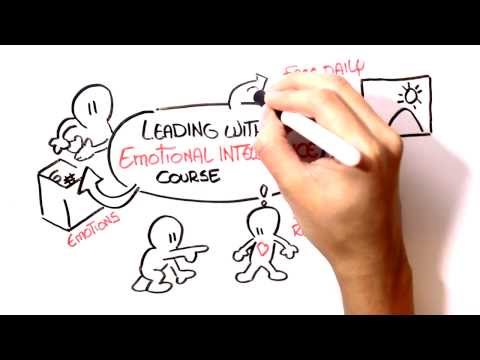
Hey, you know how crazy work can get sometimes? The stress, the deadlines, the endless emails. It’s a lot! But what if I told you there’s a way to make it all a little easier?
Yeah, I’m talking about emotional intelligence training. Sounds fancy, right? But seriously, it’s all about getting in touch with your feelings and understanding others too—like a secret superpower for the workplace.
Imagine walking into work one day and not feeling totally overwhelmed. You can actually connect with your coworkers on a deeper level. Plus, you’ll probably feel less anxious and more pumped about getting stuff done!
So why not give it a shot? It could totally change how you vibe at work. Let’s break it down together!
Unlocking Employee Potential: The Benefits of Emotional Intelligence Training in the Workplace
Emotional intelligence (EI), you know, is all about understanding and managing your emotions and those of others. It’s like being a social ninja. In the workplace, this skill can bring a whole new vibe to the team. Let’s chat about how emotional intelligence training can unlock employee potential and enhance well-being.
First off, when employees get EI training, they learn to recognize their own feelings. This self-awareness is key! Imagine someone who notices they’re getting frustrated during a meeting. Instead of snapping at a colleague, they take a deep breath and approach the conversation more calmly. That’s emotional intelligence in action.
And then there’s empathy. Training helps people understand their coworkers’ feelings better, too. Picture this: you’re working on a project with someone who’s stressed out. With EI training, you might notice their anxiety and offer support rather than diving headfirst into deadlines. This builds stronger relationships in the office.
Now let’s talk about communication. Good emotional intelligence means better communication skills. Employees learn how to express their thoughts clearly while being sensitive to others’ feelings. For instance, instead of saying «Your report is terrible,» they might express it as «I think we could enhance your report by focusing on these areas.» It’s way more constructive!
Another significant benefit is stress management. When employees understand their emotions better, they can cope with stress more effectively. This leads to fewer meltdowns or burnout moments at work—seriously! A team that’s not burnt out is often way more productive and engaged.
And let’s not forget about collaboration. When team members practice emotional intelligence, they’re often better at resolving conflicts without escalating situations. Say two employees disagree on how to approach a task; with strong EI skills, they can talk it out respectfully and find common ground rather than avoid the issue or create tension.
Also, emotional intelligence fosters a positive workplace culture. You know how uplifting it feels when everyone gets along? By encouraging empathy and open communication through EI training, companies create an environment where everyone feels valued—this boosts morale big time.
Finally, investing in emotional intelligence training has real-world benefits for organizations too. Teams with high EI tend to be more productive and have lower turnover rates because people feel understood and connected at work.
So if you’re contemplating EI training for your team or company—it really isn’t just fluff! It’s about enhancing relationships and improving overall employee well-being while unlocking that hidden potential within all of us. Embrace those emotions; they’re powerful tools!
Enhance Your Emotional Intelligence: Engaging Activities for Adults in PDF Format
Emotional intelligence, or EI, is super important for all of us, especially in the workplace. It helps you understand your emotions and those of others, leading to better communication and teamwork. Basically, it’s all about building stronger relationships and managing stress more effectively. So, if you’re looking to enhance your emotional intelligence with engaging activities, I got your back.
1. Self-Reflection Journals
Writing in a journal may sound cliché, but hear me out. Keeping a self-reflection journal allows you to track your emotional responses. You can jot down situations that triggered strong feelings and how you reacted. Over time, this practice might help you recognize patterns in your emotional behavior.
2. Empathy Exercises
Try stepping into someone else’s shoes for a change! You can practice empathy by actively listening during conversations without interrupting or judging. Afterward, share back what you heard to show you understood their feelings. This simple act can strengthen connections and boost your EI.
3. Role-Playing Scenarios
Create role-playing exercises with friends or colleagues to navigate challenging emotional situations at work or in life. By acting out scenarios like giving constructive feedback or resolving conflicts, you get real-time practice in managing emotions and responding appropriately.
4. Group Discussions
Gathering people together for discussions on different emotional topics can be enlightening! You could focus on sharing personal experiences related to stress management or coping strategies after a tough day at work. This not only builds community but also enhances understanding of each other’s emotional landscapes.
5. Mindfulness Practices
Mindfulness plays a major role in developing emotional intelligence too! Activities like meditation or breathing exercises help improve self-awareness and emotional regulation. Just take a few minutes each day to focus on your breathing; it can ground you when emotions run high.
6. Emotional Intelligence Workshops
Participating in workshops specifically designed around EI can be beneficial as well! They often include interactive activities that foster learning through experience rather than just lectures—like group discussions or team-building games aimed at increasing awareness of feelings in others.
Remember that enhancing emotional intelligence is an ongoing journey; there’s always room for growth! Plus, engaging with these activities as adults makes it fun while still being meaningful—perfect for workplaces looking to improve overall wellbeing through emotional intelligence training.
So go ahead and dive into some of these activities; you’ll likely notice positive changes not only within yourself but also among your coworkers! And the best part? You’re fostering a healthier work environment for everyone involved—definitely worth the effort!
Boost Workplace Well-Being: Engaging Emotional Intelligence Activities for Teams
Engaging in emotional intelligence (EI) activities can seriously transform the workplace vibe. When teams boost their EI, they’re not just improving their skills; they’re enhancing overall well-being. Here’s how you can incorporate some pretty cool activities that’ll make a difference.
First off, what is emotional intelligence? Well, it’s basically the ability to recognize, understand, and manage our own emotions while also being aware of and influencing the emotions of others. Think about it; when you can read the room, you create better connections with your coworkers.
Here are a few engaging activities to ramp up your team’s emotional intelligence:
It reminds me of this time I worked on a team project where we all shared our personal struggles related to stress at work. Opening up like that created this unexpected bond between us; we became more compassionate towards each other’s challenges.
The key here is practice. Incorporating these activities regularly allows your team to not just talk about emotions but actually navigate through them together.
A little reflection goes a long way too! At the end of each day or week, encourage your team to reflect on what emotions came up during their work tasks and interactions with others. It’s like a mini check-up for the heart and soul.
Fostering emotional intelligence isn’t an overnight thing; it takes time and happens through consistent efforts. But as teams grow in EI, you’ll notice better communication, less conflict, and higher morale all around.
Incorporating emotional intelligence activities can elevate workplace well-being significantly! By making these practices part of your company culture, you create an environment where everyone feels valued and understood – it’s literally a win-win situation!
You know, one thing that really stands out in today’s work environment is how crucial emotional intelligence (EI) training can be in boosting employee wellbeing. Like, it’s one of those things that sounds a little buzzword-y at first, but when you dig into it, the benefits are pretty clear. I mean, think about it: when employees are better at understanding their own emotions and those of their coworkers, everything just flows more smoothly.
Not long ago, I was chatting with a friend who works in HR. She shared an experience about her team undergoing EI training. At first, people were skeptical—like, “Why do we need to talk about feelings at work?” But after participating in some workshops and discussions, they slowly started to see things differently. They learned how to communicate more effectively and empathize with each other’s struggles. It really shifted the culture of their workplace.
The thing is, emotional intelligence isn’t just about being touchy-feely; it’s also super practical. Imagine having a team that can navigate conflicts without turning into a drama fest or one that supports each other during stressful projects? That kind of environment can reduce burnout and encourage everyone to show up as their best selves.
One big takeaway from my friend’s story was how much more engaged people felt once they could express themselves better. They weren’t just employees clocking in and out anymore; they became part of a community where everyone looked out for one another. Seriously, who wouldn’t want to work somewhere like that?
Of course, not all companies have embraced this yet. Some still see emotional intelligence as soft skills or even fluff. But honestly? The bottom line often improves when people feel emotionally supported at work—less turnover and happier employees are worth more than any training expense.
So yeah, enhancing employee wellbeing through EI training seems like a pretty smart move. When we prioritize understanding emotions—both ours and others’—we’re creating spaces where collaboration thrives and mental health flourishes. Wouldn’t it be great if more workplaces started realizing just how powerful this stuff can be?