Ever find yourself in a situation where you just know what someone’s feeling? Like, that moment when your friend walks in all down and you can just sense that something’s off? That’s emotional intelligence—pretty cool, right?
But here’s the thing: it’s not just about reading people. It plays a major role in mental health too. Seriously! Recognizing emotions can help us navigate our own feelings and support those we care about.
Think about it. When you really get how someone else feels, it makes connecting on a deeper level way easier. And that connection? It can change everything when it comes to mental health.
So, let’s dig into how emotional intelligence fits into the bigger picture of mental wellness and why it matters more than you might think.
Exploring Emotional Intelligence: A Comprehensive Guide to Its Role in Mental Health Contexts (PDF Download)
Emotional Intelligence, or EI for short, is like the secret sauce for understanding ourselves and others. So, let’s break it down a bit. Basically, emotional intelligence involves recognizing your own emotions and those of other people. It’s not just about feeling; it’s about knowing what those feelings mean and how they affect your behavior.
Now, in mental health contexts, emotional intelligence plays a huge role. Here are some key points to ponder:
Now let’s talk about why this matters in mental health specifically. People with high emotional intelligence tend to cope better with stress and anxiety. They’re also more resilient when facing life’s ups and downs. Picture someone dealing with anxiety—they might struggle with interpreting social cues from others. But if they have strong EI skills, they can navigate these interactions much more smoothly.
For therapists or counselors, encouraging clients to develop their emotional intelligence can lead to better treatment outcomes. **Studies show** that enhancing one’s EI can improve communication skills and deepen the therapeutic alliance between client and therapist.
In essence, if you’re looking at emotional intelligence within mental health contexts, remember its multifaceted nature—it involves understanding yourself as well as connecting meaningfully with others. So next time you’re feeling a wave of emotion—try pausing for a moment! Ask yourself: “What am I really feeling? Why?” That simple act could help shift your day from overwhelming chaos into something more manageable.
And hey—if learning all this seems like a lot at once—don’t sweat it! Emotional intelligence is a skill that grows over time, so be gentle with yourself while you’re figuring this out!
Understanding Emotional Intelligence: A Comprehensive Guide to Its Impact on Mental Health (PDF Download)
Emotional intelligence, or EQ, is a big deal when it comes to mental health. It’s about understanding your own emotions and those of others. Think of it like this: imagine you’re at a party, and you see someone over in the corner looking sad. Now, if you’re clued into that sort of thing—like really aware—you might go over and check on them. That’s EQ in action!
So what does this mean for mental health? Well, having a high emotional intelligence can make things a lot easier. It helps you navigate your feelings better. When you understand what you’re feeling and why, you’re less likely to get overwhelmed by those emotions. You can respond rather than react. This leads to healthier coping strategies.
But there are some key components that make up emotional intelligence:
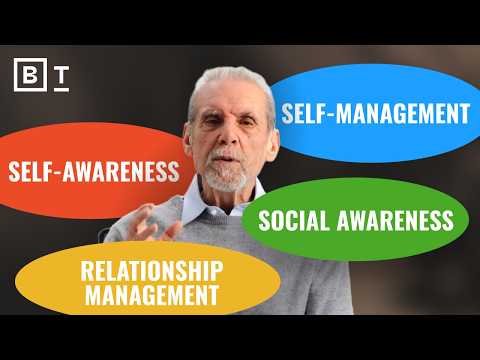
- Self-awareness: This is knowing your own emotions. It’s like reading the room but for yourself.
- Self-regulation: Once you recognize your feelings, it’s about managing them effectively—like not blowing up when someone cuts you off in traffic.
- Motivation: People with high EQ often have strong internal motivation. They find reasons to keep pushing forward, even when things get tough.
- Empathy: This is about understanding feelings in others. So if a friend is upset, being able to connect with them helps strengthen that bond.
- Social skills: Good communication and relationship-building come from emotional intelligence too. You know how sometimes certain people just vibe well together? That’s often EQ at work!
Having good emotional intelligence can really affect mental health positively. For example, let’s say you’re feeling anxious about something big—like a job interview or a speech. If you can tap into that anxiety and recognize it as fear rather than letting it control you, you’re way more likely to handle the situation better.
And here’s something interesting: Research has shown that people with higher EQ typically report lower levels of stress and increased life satisfaction! Can you believe it? When you’re able to manage emotions effectively, life just feels lighter.
Let’s also think about therapy settings for a sec. Therapists often look at emotional intelligence when assessing clients because it plays such an important role in treatment success. Clients who understand their feelings better usually find therapy more beneficial since they can express themselves clearly.
But not everyone has high emotional intelligence; that’s just reality! Some folks struggle with recognizing their own feelings or understanding others’. In these cases, working on building EQ can become a focus in therapy sessions.
In summary, emotional intelligence is super important for mental health because it influences how we relate to ourselves and others. By fostering awareness and regulation of emotions, we set ourselves up for healthier relationships and experiences overall.
So next time you’re feeling something intense—whether it’s joy or anger—take a moment to check in with yourself! Understanding those emotions could really change your perspective on whatever’s going on around you!
Exploring the Impact of Emotional Intelligence on Mental Health: Key Insights and Benefits
Emotional intelligence, or EQ, is like that secret sauce that makes life a bit easier and more enjoyable. It’s all about understanding your own emotions and those of others, which can seriously impact your mental health. When you get a handle on your feelings and can empathize with others, it leads to better relationships and less stress.
So, what’s the connection between emotional intelligence and mental health? Well, it’s pretty simple. People with high emotional intelligence tend to manage stress better. They know how to navigate tough feelings—like anxiety or sadness—without getting overwhelmed. This means they’re less likely to spiral into deeper mental health issues.
Here are some key insights about how emotional intelligence benefits mental health:
- Self-awareness: This is all about knowing what you feel and why you feel that way. For example, if you often feel irritated when you’re tired, recognizing this can help you avoid snapping at loved ones.
- Self-regulation: Once you’re aware of your emotions, you can manage them better. Instead of lashing out in anger or shutting down in sadness, EQ allows for healthier responses.
- Empathy: Understanding others’ feelings is huge in maintaining good relationships. If a friend is upset about something trivial to you but important to them, showing empathy strengthens your bond.
- Social skills: Being able to communicate effectively helps resolve conflicts before they escalate into bigger issues. You know how sometimes a little misunderstanding turns into an argument? Good social skills prevent that.
- Mental resilience: Emotional intelligence helps build resilience against stressors. When life throws curveballs at you (and it will), having strong EQ means you’ll bounce back quicker.
Consider someone who lost their job. A person with high emotional intelligence might feel the disappointment but also recognize that this feeling won’t last forever. They could reach out for support instead of isolating themselves or spiraling into despair.
But here’s the thing: developing emotional intelligence isn’t just for self-help junkies or those looking to enhance their careers—it’s vital for everyone! Even if you’re not in therapy or going through a rough patch, enhancing your EQ offers everyday benefits too.
When we talk about evaluating emotional intelligence in mental health contexts, we’re looking at its role in therapy settings as well. Therapists often use tools like assessments to gauge a person’s EQ because it’s linked directly to how effective they’ll be under stress during treatment.
In essence, practicing emotional intelligence can lead to more fulfilling lives and healthier coping mechanisms when things get tough. So if you’re feeling stuck emotionally or grappling with relationships—consider exploring your emotional intelligence! It could really be the game-changer you’ve been waiting for.
So, let’s chat about emotional intelligence for a sec. It sounds all fancy, but really, it’s just about how well you understand and manage your own emotions and those of others. And here’s the thing: in mental health contexts, this stuff is super important.
Imagine you’re having a rough day. You’re feeling overwhelmed, maybe anxious or a bit down. Now, if you can recognize that feeling—like, “Hey, I’m not okay right now”—you’re already tapping into your emotional intelligence. You can acknowledge it without judgment and figure out what to do next. That’s the good stuff.
Then there’s the whole part about understanding others’ feelings too. Picture this: You’re talking to a friend who’s been kind of off lately. If you’ve got some emotional savvy going on, you might pick up on their vibes more easily—like noticing when they seem sad even if they say they’re fine. That ability to connect can lead to deeper conversations and help them feel supported.
Now let me tell you a little story that highlights why this matters so much in therapy settings. A friend of mine went through therapy after losing her job. At first, she felt like a total mess—frustrated and scared about the future. But her therapist had an incredible knack for emotional intelligence; they helped my friend dig into her emotions rather than just skating over them. They’d say things like, “It sounds like you’re feeling abandoned,” which made my friend pause and think deeply about how she was really processing everything.
By tuning into those feelings—hers and those of her therapist—my friend started to crawl out from under that foggy cloud of anxiety and uncertainty. She learned not only how to express herself better but also how to empathize with others going through similar struggles later on.
But here’s where it gets tricky sometimes: not everyone is naturally good at this emotional stuff! Some folks might need practice or guidance (or both) to strengthen their emotional intelligence muscles—that’s where therapy can be a game-changer.
So yeah, evaluating emotional intelligence is more than just checking off boxes or handing out scores; it’s about recognizing its role in understanding yourself and connecting with others in meaningful ways—especially in mental health contexts where vulnerability is at play. And who doesn’t want that?