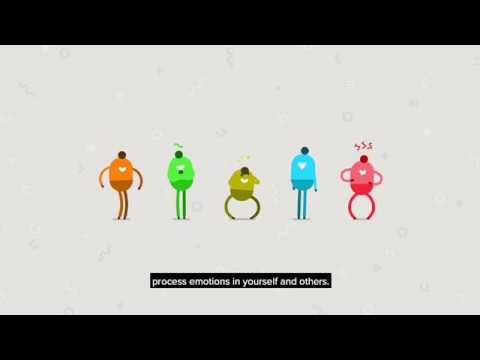
You know how some people just seem to get what you’re feeling? They can read the room, pick up on emotions, and really connect. That’s emotional intelligence, or EI, in a nutshell. Pretty cool, right?
But here’s the thing: EI isn’t just for social butterflies. It plays a huge role in your mental wellbeing too. Like, if you understand your own feelings better, you can handle stress and relationships way more effectively.
Imagine navigating life’s ups and downs with confidence. Sounds nice, huh? Assessing your emotional intelligence might be the key to unlocking that power. So let’s dig a bit deeper into this whole EI thing and see how it can help you feel your best!
Unlocking Self-Awareness: A Guide to Assessing Your Emotional Intelligence
Self-awareness is like looking in the emotional mirror. It’s understanding what you feel and why you feel that way. It’s the first step toward better emotional intelligence, which is super important for your mental wellbeing. So, let’s talk about what it means to assess your emotional intelligence, yeah?
Emotional intelligence is basically how well you can recognize and manage your own emotions and those of others. Think of it as a toolkit for navigating the ups and downs of life. You use it every day without even realizing it—when you’re calming a friend down or deciding how to react to something frustrating.
To start, here are some key areas to focus on:
Now that we’ve set the stage, let’s explore how to actually assess where you’re at with all this emotional stuff.
Start by enduring self-reflection. Grab a journal—you don’t have to be Shakespeare here! Just jot down thoughts on your emotions throughout the week. Ask yourself questions: “Why did I react that way?” “How did I handle conflicts?” Over time, patterns will emerge.
Also consider talking things over with trusted friends or family members—they might see sides of things that surprise ya! Sometimes we can’t see our blind spots—like when you’re driving; it’s always good to have someone watching out for ya from behind!
You could also try some simple quizzes online that assess emotional intelligence. They usually ask about situations involving emotions and how you’d respond and can give insight into your overall awareness level.
And remember—growing your emotional intelligence isn’t a race! It takes time and practice—just like learning any new skill.
Engaging with these moments can lead not just to greater emotional awareness but also healthier relationships and improved mental wellbeing overall. So go ahead and peep into that emotional mirror; who knows what you’ll find?
Understanding the 5 Key Scales of Emotional Intelligence for Personal Growth
Emotional intelligence, or EI, is super important for personal growth and mental wellbeing. Basically, it’s how well you understand and manage your own emotions while also reading others’ feelings. It can make a big difference in how you interact with people and deal with life’s ups and downs. So, let’s break down the five key scales of emotional intelligence.
- Self-awareness: This is all about recognizing your own emotions. It means being able to tune in to how you feel at any given moment. Like when you’re stressed out but don’t realize it until you snap at someone. Being self-aware helps you catch those feelings before they spiral out of control.
- Self-regulation: Once you notice those feelings, self-regulation kicks in. This scale is about managing your emotions effectively. Instead of blowing up in anger or spiraling into anxiety, you find ways to cope—like taking deep breaths or walking it off.
- Motivation: This part focuses on what drives you. It’s more than just setting goals; it’s about being passionate and committed to achieving them despite obstacles. Think about someone who keeps pushing through tough times because they believe in their purpose—that’s high motivation!
- Empathy: Empathy allows you to understand others’ emotions. It’s like tuning into their vibe rather than just your own feelings. When a friend is down, showcasing empathy means not only feeling sorry for them but also understanding what they need at that moment—whether it’s a listening ear or something more.
- Social skills: Finally, social skills are all about how well you interact with others based on your emotional insights. Strong social skills help build and maintain relationships; good communicators often end up with stronger connections because they know how to read social cues.
Now, let me give you a quick story that might hit home: Imagine Sarah, who always felt overwhelmed by her emotions but never really understood why. After learning about these five scales of EI, she began working on her self-awareness first—realizing that she often felt anxious before big meetings at work but didn’t acknowledge it until after she’d reacted poorly during presentations.
By understanding her triggers through self-awareness, she could eventually regulate her anxiety better and even motivate herself with positive affirmations before those meetings! Over time, Sarah became more empathetic towards her colleagues too; when she noticed one was having a tough day, she reached out instead of pulling away.
So yeah, developing emotional intelligence isn’t some overnight thing—it takes practice! But if you take the time to work on these five scales, you’re likely to see some pretty cool changes in both yourself and your relationships over time!
10 Effective Strategies to Assess Your Emotional Wellbeing
Assessing your emotional wellbeing is super important. It helps you understand how you’re feeling and what might be affecting your mental state. Here are some effective strategies that can give you a clearer picture of where you stand emotionally.
Self-reflection is a great starting point. Take some time to think about your feelings and behaviors. Ask yourself questions like, «How did I feel today?» or «What triggered those feelings?» Writing in a journal can really help with this. It’s like having a chat with yourself, you know?
Another thing to consider is emotional check-ins. Try pausing throughout the day to assess how you’re feeling. You could even set reminders on your phone for this. When it goes off, take a moment to breathe and evaluate your mood. Are you happy, anxious, or maybe irritated? Just taking note can help!
Then there’s mindfulness meditation. This practice encourages staying present and acknowledging your thoughts without judgment. Even just five minutes a day can make a difference. Sometimes when I do this, I realize I’m holding onto stress without even knowing it.
A great strategy is talking to someone close to you about your feelings. This could be a friend or family member who understands where you’re coming from. Sharing your thoughts out loud can make them feel less heavy and more manageable.
You might also want to try emotional journaling. Instead of just listing the day’s events, dive into how those events made you feel and why they mattered. Reflecting on both positive and negative emotions can give you insights into patterns in your life—what lifts you up or brings you down.
Another one worth mentioning is setting boundaries. You need to protect your emotional space! Knowing when to say no or stepping back from toxic situations can greatly affect how you’re feeling overall.
Incorporating physical activity into your routine helps with emotional health too! Exercise releases endorphins—those natural mood lifters! Even just a short walk outside can shift things in a positive direction.
Don’t forget about emotional education. Learning about different emotions helps normalize them and reduces stigma around discussing feelings openly. The more you know about what emotions mean, the better equipped you’ll be at managing them.
Also, consider using visualization techniques. Picture yourself in calm environments when you’re feeling overwhelmed; it’s pretty effective at easing anxiety or stress moments.
Finally, working with someone like a therapist isn’t just for when you’re in crisis; they offer tools that help assess emotional wellbeing regularly too. They’ll guide you through this journey of understanding yourself better.
So yeah, these strategies are all about helping you check in with whatever’s going on inside—whether it’s good vibes or challenges you’re facing. Taking steps toward understanding your emotional health makes everything else so much easier!
Emotional intelligence, or EQ, is one of those buzzwords that seems to pop up everywhere. You hear it in self-help books, workplace talks, and even casual conversations. But the thing is, it’s not just a trendy phrase; it plays a pretty big role in your mental wellbeing.
So, what’s emotional intelligence? Well, it’s basically how well you recognize and manage your own emotions and understand others’ feelings too. Imagine going through a day where you’re feeling grumpy because of some random thing that happened—maybe someone cut you off in traffic or your coffee order was wrong. Instead of just letting that grumpiness spiral into a bad mood all day, if you’ve got high emotional intelligence, you’d see that feeling for what it is: a momentary annoyance, not something to carry around like an anchor.
Think back to a time when you felt overwhelmed or stressed out. Maybe there was pressure at work or some relationship drama brewing. You probably had those moments where you reacted without thinking, right? Maybe said something snappy to a friend or let frustration bubble over at the office. It’s easy to get trapped in those cycles; we’ve all been there.
When you’re aware of your EQ, though, it’s like having a guidebook for managing those situations better. You learn to pause before reacting—like taking a deep breath instead of snapping back at someone who doesn’t deserve it. This awareness can lead to healthier relationships because people feel more understood and respected when you’re tuned into their feelings.
On the other hand, if you’re struggling with low emotional intelligence—maybe you often feel misunderstood or have difficulty connecting with others—it could lead to feelings of loneliness or anxiety. That’s tough! Plus, learning how to assess and improve your EQ takes time and effort. Sometimes it requires confronting uncomfortable emotions or diving deep into why certain feelings trigger strong reactions in you.
So how do you even start assessing your emotional intelligence? A good first step is just checking in with yourself regularly. Ask questions like: How did I handle that awkward situation? Did I express my feelings clearly? Was I able to empathize with someone else’s struggle? Keeping track of these little moments helps build our self-awareness.
Asking others for feedback can also be enlightening—and sometimes really eye-opening! Friends might see things about how we react that we don’t even notice ourselves; they might say things like “You always know how to lift me up” or “I never know what you’re thinking.” That kind of perspective can make all the difference.
Basically, working on your emotional intelligence is like putting on glasses when you’ve been squinting through life—you start seeing things more clearly! And guess what? When you feel more connected with yourself and others, it’s easier to navigate life’s ups and downs without feeling totally overwhelmed.
Growing your emotional intelligence isn’t an overnight project; it’s more like gradually adding puzzle pieces together until the picture starts becoming clear. Your mental wellbeing can definitely benefit from this journey because when you understand your emotions better—managing stress and building strong relationships becomes way easier! So take some time for yourself; reflect on what makes you tick emotionally—you might just be surprised by what you find!