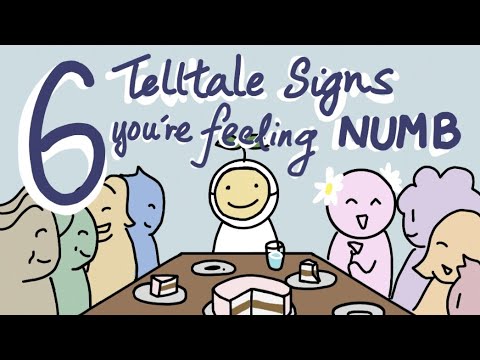
You ever feel like you’re just… there? Like everything around you is happening, but you’re stuck in a bubble?
Yeah, that’s emotional numbness for you. It can creep up on anyone. One minute you’re feeling stuff, and the next, it’s like someone hit the mute button on your feelings.
You might find yourself laughing at things that used to crack you up or even just staring into space for what feels like ages. It’s weird, right?
We all have our ups and downs. But when you’re living in a void of emotions, it gets tricky. So let’s chat about what this numbness really means and why it happens. You with me?
Understanding Emotional Numbness: Is It a Sign of Deeper Mental Health Issues?
Emotional numbness – it’s that weird feeling when you’re just, well, not feeling anything. It’s like your emotions hit a brick wall or, at best, they’re turned way down. You know the vibe? You might feel totally blank or even detached from everything around you. And while it can be super frustrating, it also raises some serious questions about what’s going on underneath the surface.
So, let’s break this down a bit. Emotional numbness isn’t just something that happens out of the blue. It can often be a sign of something larger going on with your mental health. You might notice it popping up during tough times—like after a traumatic event or when you’re drowning in stress from work or relationships.
Here are a few key points to consider about emotional numbness:
- It Can Be Temporary: Sometimes you feel numb for a bit due to overwhelming situations. It’s kind of like emotional overload.
- It’s A Defense Mechanism: Your mind tries to protect you from feelings that are too intense or painful to handle.
- Potential Link to Disorders: Numbness might be tied to depression, anxiety disorders, PTSD, and even some personality disorders.
You might’ve felt this yourself after experiencing loss or betrayal. Maybe you went through a breakup and couldn’t cry even if you wanted to. That’s emotional numbness doing its thing—making your heart and brain retreat into safer territory because they can’t handle all those feels at once.
What happens is that when we push our emotions down for too long—because we think we’re too busy or don’t want to deal with them—it can lead to bigger problems later on. Like, if you keep ignoring those feelings, things could escalate into more serious conditions like chronic anxiety or major depressive episodes.
Let me share a quick story here: I once knew someone who started feeling emotionally numb after losing their job during a rough patch in life. At first, they thought it was just stress; but as time went on, they realized they weren’t connecting with friends anymore either—it felt like they were watching their life from behind glass! That numbness became an alarming signal for them that led them to seek help.
The Bottom Line: Emotional numbness is not something to overlook; it could mean deeper issues are brewing beneath the surface. If you’re experiencing this kind of detachment frequently or for extended periods, talking with someone—a friend or even a pro—might really help bring some clarity back into your life.
So remember: you’re definitely not alone in this! Understanding what’s happening inside is key—you’ve got this!
Effective Strategies to Overcome Emotional Numbness and Reconnect with Your Feelings
You know when you feel like you’re just going through the motions? Like, one day blends into another and you can’t quite feel anything? That’s emotional numbness. It’s not fun, to say the least. If you’ve been feeling this way, there are ways to reclaim your feelings and get back in touch with yourself.
Recognize What’s Happening. First off, understanding that you’re experiencing emotional numbness is key. This can come from stress, trauma, or even prolonged anxiety or depression. It’s like putting on a pair of foggy glasses—you know something’s there, but you can’t see it clearly.
Practice Mindfulness. Being mindful is all about being in the moment. You could try simple breathing exercises or meditation. When you focus on your breath for just a few minutes a day, it helps clear away some of that fog. Let me tell you a quick story: a friend of mine started doing this every morning and found that he could finally feel joy during his favorite activities again!
Journal Your Thoughts. Writing down what you’re thinking can be super helpful too. It doesn’t have to be fancy—just grab a notebook and let it flow. Write about your day, your thoughts, or even what you’d like to feel instead of being numb. The act of writing can help sift through those muddled emotions.
Connect with Others. You don’t need to go through this alone. Reach out to friends or family and share how you’re feeling—seriously! Sometimes just talking about it can help break down those walls of numbness. And if that feels too big, you could also participate in group activities where you don’t have to share much at first but still connect with others.
Engage in Physical Activity. Exercise isn’t just good for your body; it helps your brain release endorphins—the «feel-good» hormones! Even just going for a walk in nature can spark some emotions buried deep inside.
Create Art. If writing isn’t quite your thing, try art! Draw, paint, or create something without worrying about how it looks. This kind of expression can open up those channels of emotion—you might be surprised by what comes out!
Seek Professional Help. Sometimes the best route is talking to someone who gets it—like a therapist or counselor. They can provide strategies tailored specifically for you and help work through those tough emotions together.
Ultimately, reconnecting with your feelings takes time and patience. You might not notice changes overnight—which is okay! Just keep nurturing those small steps toward feeling again; it’s worth it in the end!
Understanding Emotional Numbness: Is It Permanent or Can It Be Overcome?
Emotional numbness can feel like you’re cruising through life on autopilot. You might be functioning on the outside—going to work, hanging out with friends—but inside, it’s like a foggy day in your head. You could be feeling absolutely nothing, and that’s a pretty unsettling place to be.
So, here’s the thing: emotional numbness isn’t usually something that just happens out of nowhere. It can show up for a bunch of reasons. For example, it’s often linked to mental health conditions like depression or anxiety. You know those times when life gets super tough? Sometimes, you put up walls to keep yourself from feeling overwhelmed.
But the big question is—can this numbness be permanent? The short answer is *no*, not necessarily. Emotional numbness can definitely be overcome with time and the right support! It tends to come and go based on what’s happening in your life or whether you’re practicing coping skills.
Here are a few points to think about:
- Triggers: Emotional numbness often stems from trauma, loss, or even stress overload. Identifying what triggered it can help.
- Coping Mechanisms: Some people use unhealthy methods like substance abuse to cope, which can actually make things worse.
- Therapy: Talking to a therapist can really change the game. They’ll help you process feelings instead of shutting them down.
- Mindfulness: Practices like yoga or meditation may help you reconnect with your emotions in a gentle way.
Take the case of John. He went through a tough breakup and found himself feeling nothing at all—even during moments he used to enjoy. But after seeking therapy and learning some mindfulness techniques, he gradually started feeling more connected again. This doesn’t mean he’s back to 100% right away; it’s more like peeling back layers over time.
Another factor is how long you’ve felt this way. If it’s been ongoing for months or years, it might take longer for you to really feel emotions again—but that doesn’t mean it’s impossible! The brain is pretty adaptable.
If you’re struggling with this yourself or know someone who is, remember it’s okay to ask for help! Emotional numbness doesn’t have to define you; there’s hope and healing out there waiting when you’re ready to reach for it.
In summary, emotional numbness isn’t just a «you» problem—it’s something many people experience at different times in their lives. The key takeaway? With the right support and strategies, you can definitely work towards feeling again—and not just existing!
Emotional numbness is one of those things that can creep up on you. One day, you’re feeling all the feels—happy, sad, excited—and then suddenly, it’s like someone flipped a switch. You know? Like you’ve gone from vibrant colors to black and white. It’s not just about being sad or down; it’s that flat feeling where nothing really hits you like it used to.
I remember a friend of mine sharing her experience with this. She had been through a tough breakup and thought she’d be devastated, but instead, she felt… nothing. It was like her brain had decided to go into protective mode, kind of building up walls around her heart. At first, she thought it was relief—no more painful feelings—but eventually, that numbness started bugging her because everything felt dulled down.
So here’s the thing: emotional numbness isn’t just about being “over” something; it can be a sign that your mind is trying to shield you from overwhelming pain or stress. It might pop up if you’ve faced trauma or if anxiety and depression are playing a role in your life. Basically, your emotional system goes on lockdown because it doesn’t want you to get hurt anymore. But on the flip side, it keeps out the good stuff too—joy and love can feel just as distant.
People often think they should just snap out of it or shove those feelings down further, but that rarely works out well in the long run. Instead of going for that classic “just think positive” mantra—which sounds nice but often misses the mark—recognizing where you’re at is key.
So what do you even do about it? Well, connecting with others can help break through those walls you’ve built. Talking about how you’re feeling or even admitting you’re feeling nothing at all can be freeing in itself. Therapy can also play a big part here—finding someone who gets it can make all the difference.
It can take time to feel again fully, and that’s okay! Being gentle with yourself is important when navigating through this haze of emotions—or lack thereof. Just remember: it’s perfectly human to experience this kind of thing; you’re not alone in this weird journey we call life!