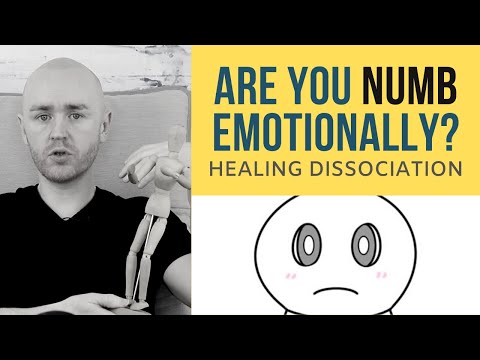
You know that feeling when everything seems muted? Like, you’re just going through the motions but nothing really hits? Yeah, that’s emotional numbness for you.
Imagine you’re watching your favorite movie, but it feels… off. The laughs aren’t funny, and the tears just won’t come. You’re there, but not really present. Sounds familiar?
A lot of folks experience this at some point. It can feel isolating and confusing. And let me tell you, it’s more common than you might think.
Emotional numbness can be your brain’s way of protecting itself from overwhelming feelings. But here’s the kicker—it might signal something deeper brewing under the surface.
So let’s unpack this a bit, shall we? It’s time to explore what emotional numbness really means and why it matters for your mental health.
Understanding Emotional Numbness: Exploring Mental Illnesses That Cause Feelings of Detachment
Emotional numbness is a tricky thing, isn’t it? It’s like sitting in a room full of people but feeling completely alone or like you’re watching life unfold from behind a glass wall. You might feel detached from your surroundings or even from your own feelings. This can be pretty overwhelming, and honestly, it can be confusing too.
So, what causes this feeling of detachment? Well, emotional numbness often pops up as a symptom of various mental health issues. Here are some of the main players:
- Depression: When you’re dealing with depression, everything can seem gray and dull. It’s common to feel like you can’t connect with joy or sadness—it’s all just flat.
- Anxiety Disorders: If you’ve got anxiety going on, it might make you feel like you have to shut down emotionally to cope. It’s almost like self-preservation kicking in.
- Post-Traumatic Stress Disorder (PTSD): After experiencing trauma, people often feel numb as a way to protect themselves from the intense emotions that come with those memories.
- Bipolar Disorder: During depressive episodes in bipolar disorder, emotional numbness can feel pronounced—like all the colors just vanished.
- Dissociative Disorders: These disorders involve disconnection from thoughts and feelings; numbness is just one way your mind might try to shield itself from distress.
You know how sometimes when life gets really intense—maybe after a tough breakup or an overwhelming job situation—you might shut down? That reaction can lead to emotional numbness. It’s like trying to protect yourself by turning off the feelings.
Imagine Sarah—a friend who went through a tough period after losing her job. At first, she was sad; then she realized she couldn’t even feel sad anymore. She became indifferent about everything: her favorite music didn’t move her; hangouts with friends felt pointless. This is what emotional numbness can look like.
So why is understanding this feeling important? Well, for starters, acknowledging that you’re experiencing these feelings is crucial. It’s not just «being dramatic.» Emotional numbness often serves as a signal that something deeper needs attention—whether that’s addressing an underlying mental health issue or finding healthier coping strategies.
If this sounds familiar—or if you’re noticing someone close to you struggling—it might be time to seek help. Talking it out with a therapist can make such a difference! They can help unravel those tangled emotions and find ways back to feeling again.
In short, emotional numbness isn’t just about shutting down; it’s your mind’s way of saying “Whoa! Things are too much right now!” Recognizing it is the first step towards healing and reconnecting with yourself and those around you again. Isn’t that comforting?
Understanding Numbness in Mental Health: Causes, Effects, and Coping Strategies
Feeling emotionally numb? You’re not alone in that experience. People often describe it as living life on autopilot. So, what’s going on with this numbness in mental health?
Emotional numbness basically means you’re feeling disconnected from your emotions. You might notice that you can’t feel joy, sadness, or even anger like you used to. It’s like putting on a fuzzy blanket over all your feelings; they’re there, but they just don’t register the same way.
Now let’s dig into some causes. Emotional numbness often pops up when you’re dealing with overwhelming stress or trauma. Have you gone through something really tough, like losing a loved one or experiencing a breakup? Those events can be so heavy that your brain just hits the pause button on your emotions to protect you from pain.
Another common cause is anxiety and depression. If you’re trapped in a cycle of negative thoughts or feelings for a long time, it can be exhausting. As a result, your mind might decide to shut down those emotions to help you cope. Not exactly fair, right?
You might also find some people turn to substances—like drugs or alcohol—to escape their feelings. In the moment, it seems like an easy fix, but over time this can lead to even more numbness as your brain gets used to those substances.
Moving onto the effects, emotional numbness doesn’t just feel unpleasant; it can seriously impact your life and relationships. You may start pulling away from friends and family because connecting feels too hard or even unnecessary. Plus, when you’re numbing yourself emotionally, important experiences and joys can pass by unnoticed; it’s like living in black and white instead of color.
So how do you deal with this? Well, here are some ways people cope:
- Acknowledge the feelings: It sounds simple but just admitting you’re feeling numb is important. You’re not alone in this struggle.
- Talk it out: Whether it’s with friends or a therapist, opening up about how you’re feeling helps break down those emotional walls.
- Create small connections: Reach out for little moments—a coffee date or even a call—but keep them low pressure.
- Meditation and mindfulness: These practices help bring awareness back into your body and mind by grounding you in the present moment.
- Engage in hobbies: Sometimes diving into activities that require focus—like painting or gardening—can help stir those dormant feelings back up.
It’s really about taking small steps towards reconnecting with yourself. Remember that healing is not linear!
Everyone’s journey looks different. Maybe one day you’ll find yourself laughing at an inside joke again. That day will come; it’s just about giving yourself grace along the way as you figure things out!
Understanding Numbness: The Emotions That Lie Beneath
Emotional numbness is one of those tricky things that can sneak up on you. You know, one minute you’re feeling things, and the next, everything just feels… flat. This kind of numbness can feel like wearing a heavy blanket that stifles your emotions. You might notice it when you’re going through tough times or even after highly stressful events. The thing is, what’s happening beneath that surface is often tied to deeper emotional experiences.
What Causes Emotional Numbness?
There are several reasons why someone might feel emotionally numb. Stress, trauma, grief—these can all lead to feelings of disconnection from your own emotions. For instance, imagine going through a breakup where your heart feels shattered like glass. After a while, it’s just too painful to keep feeling that way, so you shut down emotionally.
Signs You’re Experiencing Numbness
You might be wondering how to tell if you’re facing this issue. Here are a few signs:
- You find yourself not caring about things you once loved.
- Your relationships feel strained; connecting with others seems difficult.
- You struggle to identify any emotions at all—like trying to see something in foggy glasses.
- You sometimes feel detached from reality; life becomes more like watching a movie than living it.
It’s not always easy to admit this is happening. Maybe there’s an urge to shake it off or pretend everything’s fine because society often pushes for that «tough it out» mentality.
The Role of Mental Health Conditions
Numbness isn’t just a random feeling; it’s often linked with various mental health conditions like depression or anxiety disorders. For instance, someone dealing with depression might experience this numbness as their mind tries to cope with overwhelming sadness and hopelessness.
Navigating Through Numbness
If you notice these feelings creeping in and hanging around longer than you’d like, reaching out for help can be vital. Sometimes talking to a therapist provides clarity—like turning on the lights in a dim room full of cluttered emotions. Therapy approaches like cognitive-behavioral therapy can be particularly effective since they help unpack those layers of feelings and address the root causes.
And then there are grounding techniques: simple practices meant to bring you back into the moment and reconnect with your emotions—like focusing on your breath or engaging in creative outlets such as drawing or writing.
Real-world example? There was this friend I had who described her experience with emotional numbness after her father passed away. Initially, she felt nothing but sorrow and disbelief but over time transitioned into this confusing state where she couldn’t cry anymore or even feel anger about her loss—it was all too painful for her heart to handle.
The Importance of Acknowledging Your Feelings
Recognizing uh your emotional numbness as an important signal is essential too! It’s an alarm bell saying something needs attention—kind of like when the check engine light goes off in your car! Ignoring those signals could lead things down more complicated paths later on if left unchecked.
Ultimately, you don’t have to navigate this alone; letting people know what you’re experiencing can lead to support and understanding from loved ones—or professionals who really get it! Remember: you’re not broken for feeling this way; you’re human navigating tricky emotional landscapes.
In short, emotional numbness can be rough territory but figuring out what lies beneath makes all the difference in getting back in touch with yourself again!
Emotional numbness is one of those things that can sneak up on you, you know? One moment, you’re feeling everything—joy, sadness, excitement—all that good stuff. And then suddenly, it’s like someone flipped a switch. Everything feels dull and flat. You might be going through a tough time or even just grinding through life, and suddenly you realize you can’t feel much of anything at all. It’s kind of eerie.
I remember a friend who went through this phase after losing someone really close to them. At first, they were overwhelmed with sadness. That heaviness is usually expected in grief, right? But then came the numbness. They’d go to family gatherings and just sit there with a blank stare while everyone else laughed and talked around them. It was as if they weren’t even in the room. They told me later that it was like being trapped behind glass—you see everything happening but can’t touch it or feel it.
So why does this happen? Well, emotional numbness can be a coping mechanism when life throws too much at us—stressful situations, trauma, anxiety… all that chaos can create a survival mode where feeling anything seems too risky or just plain exhausting. Sometimes it’s your brain’s way of protecting yourself from feelings that might feel overwhelming.
But here’s the tricky part: while numbing can give you a break temporarily, it often leads to more complicated feelings later on—like isolation or frustration because your emotional world feels so muted. You might even find yourself questioning whether you actually love your friends or family because the warmth doesn’t seem to come through anymore.
It’s important to remember that if you’re experiencing this kind of emotional fog, you’re not alone—and it’s okay to seek help. Therapy can provide tools to help process what you’re feeling (or not feeling) and work towards reconnecting with those emotions in a healthy way.
So how do we start breaking out of that numbness? That’s where self-reflection comes in handy! Maybe journaling could help capture those fleeting thoughts or feelings when they do arise, sparking some connection back to yourself again! Or even talking with someone about your experiences without worrying whether they understand or not; just getting things off your chest can work wonders for reviving those dull feelings.
You deserve to feel fully alive—not just going through the motions every day. So take your time—you’ll find your way back!