Hey there! You know how sometimes you just feel all over the place with your emotions? Like, one minute you’re on top of the world, and the next, you’re down in the dumps? Yeah, we’ve all been there.
Well, that’s where emotional intelligence comes in. It’s like this superpower that helps you understand your feelings better. And honestly? It can change your mental health game for the better.
Imagine being able to read situations and people in ways that lift you up instead of dragging you down. Pretty cool, right? So, let’s chat about measuring emotional intelligence and how it can boost your well-being!
Unlocking Better Mental Health: A Comprehensive Guide to Measuring Emotional Intelligence (PDF)
Emotional intelligence (EI) is a pretty big deal when it comes to mental health. Basically, it’s all about understanding and managing your emotions, as well as recognizing the emotions of others. How cool is that? Think of emotional intelligence as your inner superpower—it can really boost your relationships and help you navigate life’s ups and downs.
Now, let’s get into measuring emotional intelligence. There are a few ways to assess it, and I’ll lay out some important points.
Self-Assessment is one method you can use. It involves reflecting on your feelings, how you react to situations, and how you relate to other people. You might ask yourself questions like: “How do I feel in stressful situations?” or “Do I pick up on others’ moods easily?” This kind of self-reflection can give you insight into your emotional landscape.
Next up, Peer Assessment. Sometimes it helps to hear what people around you think. Friends or family can provide valuable feedback about how well you manage your emotions or interact with others. A little honest input can go a long way!
Then there are Standardized Tests. If you’re looking for something more formal, there are tests designed to measure EI scientifically. The Emotional Quotient Inventory (EQ-i) is one popular option. The thing here is that these tests usually cover aspects like self-awareness, empathy, and stress management.
Another useful method is Behavioral Observation. This means taking note of how you handle different scenarios over time—like stressful work situations or conflict with friends. If you’re often anxious or snappy when stressed, that might indicate areas where your emotional intelligence could improve.
So why does all this matter? Well, having high emotional intelligence can lead to better mental health outcomes—you know? It’s linked to lower levels of stress and anxiety and even a greater sense of well-being overall.
Remember when your friend was going through a tough breakup? You probably noticed their mood swings; they needed someone who could just listen without judgment—that’s where emotional intelligence shines! When we connect with others on an emotional level like this, it strengthens our relationships and helps us navigate tough times together.
In summary, measuring emotional intelligence isn’t just about ticking boxes on a test; it’s about gaining self-awareness and building healthier connections with people in your life. So whether you’re doing self-assessments or relying on feedback from friends or professionals, it’s all valuable stuff! Be open to learning more about yourself; after all—growth comes from understanding!
Unlocking Better Mental Health: A Comprehensive Guide to Measuring Emotional Intelligence with a Questionnaire
Okay, so let’s talk about emotional intelligence, or EI for short. It’s one of those cool things that can really impact your mental health in a big way. Basically, emotional intelligence is like being in tune with your emotions and the feelings of others. It’s how you understand and manage emotions—yours and other people’s. You follow me? Good!
Now, measuring emotional intelligence can give you some pretty neat insights about yourself. This is where questionnaires come into play. These tools help you pinpoint areas where you’re strong, as well as spots where you might want to grow a little more.
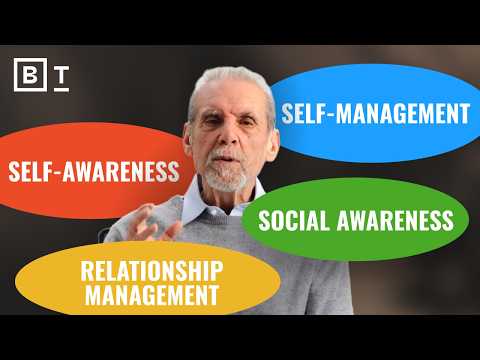
When you take a questionnaire focused on EI, it usually covers several key areas:
- Self-awareness: This is knowing what you’re feeling and why. You ever notice when you’re anxious but can’t put your finger on it? Self-awareness helps with that.
- Self-regulation: This means managing your emotions, especially the intense ones like anger or sadness. Instead of snapping at someone when you’re frustrated, you take a breath.
- Motivation: It’s about using your feelings to fuel your goals instead of letting them drag you down. Like when you had a bad day but still pushed yourself to exercise—major win!
- Empathy: This is feeling what others feel and understanding their perspectives. Have you ever comforted a friend who was upset because you really understood their pain? That’s empathy.
- Social skills: These are the abilities we use to interact with others effectively. Whether it’s making small talk or resolving conflicts, good social skills are essential.
Now let’s think about how this all fits into mental health—because that’s super important too! Having high emotional intelligence can lead to better relationships and less stress in life. When you’re able to recognize what triggers negative feelings in yourself and others, it’s easier to address those issues before they blow up.
Let’s say you’ve taken this questionnaire, right? And the results show that empathy is something you’d like to work on more—maybe it’s hard for you sometimes to connect with what others are feeling. That’s not just a random fact; it gives you something specific to focus on!
In therapy or personal growth sessions, knowing this can guide conversations between you and a therapist or even motivate self-reflection practices at home.
Also remember that no one is perfect here! Emotional intelligence can be learned and developed over time—like any skill really—even if it feels awkward at first.
So if you’re looking at ways to boost your mental health, checking out how emotionally intelligent you are could be a great start! It opens doors not just for individual growth but also improves interactions with friends, family, colleagues—you name it.
To wrap up: working on measuring and developing emotional intelligence via questionnaires isn’t just useful; it’s actually empowering! It allows for deeper self-understanding which makes navigating life’s ups and downs feel a lot more manageable.
Unlocking Better Mental Health: Free Tools to Measure Emotional Intelligence
Emotional intelligence, or EQ as some folks call it, is all about how we recognize and manage our emotions, as well as understand other people’s feelings. It can play a big role in our mental health. When you get your EQ in check, you might find it easier to connect with others and handle stress. Sounds good, huh?
So, let’s dig into some free tools that can help you measure your emotional intelligence. These tools can give you insights into your emotional strengths and areas where you might want to grow.
1. Self-Assessment Questionnaires
These are often short quizzes that ask about how you react in various situations. They usually cover things like self-regulation and empathy. One well-known example is the **Emotional Intelligence Appraisal**, which gives a solid breakdown of your emotional strengths.
2. Online Tests
There are plenty of online tests available that can measure different aspects of EQ, like the **EQ-i 2.0** (though it usually has a small fee for the full report). Even just finding a free version online can still give decent insights! Look for ones that break down skills like motivation and social awareness.
3. Reflective Journaling
This isn’t a traditional tool per se but writing down your thoughts and feelings on a regular basis can seriously boost your emotional intelligence over time. By reflecting on your daily experiences—like how you felt during arguments or joyful moments—you’ll start to notice patterns in your emotions.
4. Mobile Apps
Some apps focus on improving mindfulness and self-awareness—key components of emotional intelligence! Apps like **Moodfit** or **Daylio** let you track your moods over time and reflect on what influences them.
5. Social Feedback
Sometimes the best insight comes from the people around us! Ask friends or loved ones for their honest feedback about how they perceive your emotional reactions and interactions with them. You might be surprised by what they say!
What’s interesting is that measuring emotional intelligence isn’t just about checking boxes; it’s about growth too, right? It’s not uncommon for someone to take these assessments and realize they need to work on certain areas more than others—like being more aware of others’ feelings or managing their own stress better.
For example, if you’ve got high self-awareness but low empathy scores, it might be worth digging deeper into why connecting with others feels tough sometimes. You might think everything’s fine until someone points out that you’re coming off as uninterested when really you’re just focused on your own stuff!
So there you have it! Using these free tools can be an awesome first step toward not only understanding yourself better but also improving those connections with others—all while upping the ante on your mental health game!
You know, emotional intelligence (or EI, if you want to sound all fancy) is such a big deal when it comes to our mental health. Think about it: how often do we find ourselves swimming in a sea of feelings, sometimes feeling completely overwhelmed? Emotional intelligence is like your inner compass through that storm.
Imagine a time you were in an argument with someone close to you. Emotions were flying everywhere, right? Maybe you felt hurt or angry, but did you know how to express it? That’s where EI kicks in. It’s not just understanding your own feelings but also picking up on those of others. When you can navigate those emotions—your own and those around you—things tend to go smoother, don’t they?
So, measuring emotional intelligence isn’t about passing some test. It’s more like a way to check in with yourself. Are you good at recognizing what you’re feeling? Can you empathize when your friend is down? Answering these can shine a light on how resilient and adaptable we are in tough moments.
People who score higher on emotional intelligence tests often report better mental health overall. They’re usually more capable of managing stress and have healthier relationships. It’s like having an emotional toolkit! But if scores are lower, it’s not the end of the world. It’s just information to help guide your personal growth.
And here’s the kicker: improving emotional intelligence can be learned! Like seriously! You don’t get handed some magical gene for it; instead, it’s about practice and self-reflection over time. Journaling about your feelings or talking things out with someone trustworthy can really help boost those skills.
In essence, measuring EI isn’t just about data points—it’s a doorway to better understanding yourself and others. And honestly? The journey toward improving it can lead to some pretty amazing insights into your own heart and mind. Just imagine having deeper connections with people because you’ve worked on this part of yourself! Now that sounds like something worth pursuing.