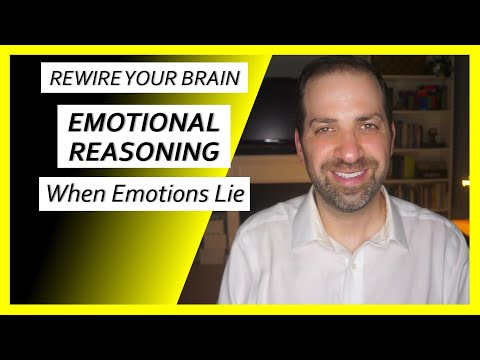
You know those days when you just feel totally overwhelmed? Like, everything seems to spiral out of control and suddenly you’re convinced that it’s all your fault? Yeah, that’s emotional reasoning at work.
It’s that tricky mental process where our feelings, like sadness or anxiety, convince us of things that aren’t really true. Seriously. Imagine thinking you’re a failure just because you had a rough day. It can mess with your head in all sorts of ways.
So let’s chat about how this whole emotional reasoning thing plays out in everyday life. And hey, we’ll dig into why it really matters for our mental health. You might find some familiar ground here!
Understanding Emotional Reasoning: How Feelings Influence Our Thoughts and Decisions
Emotional reasoning is a pretty common thing, ya know? Basically, it’s when our feelings take the driver’s seat in our thinking. Think about that time you felt super anxious before a big presentation and suddenly thought everyone was judging you harshly. That’s emotional reasoning in action! Your fear shaped how you perceived the situation, even if there was no real evidence to back it up.
Here’s the thing: our emotions can cloud our judgment. When you’re feeling low, it might feel like nothing good ever happens, even if that’s not true at all. Those feelings can twist your thoughts and affect your decisions without you even realizing it. It’s like wearing glasses that only let in the dark stuff and block out the light.
So how does this affect mental health? Well, emotional reasoning can lead to some pretty negative cycles. For instance:
- Anxiety: You might avoid social situations because you feel like they’ll be awful.
- Depression: You could think nobody cares about you based on how alone you feel.
- Low self-esteem: You might believe you’re not good enough just because you’re feeling down one day.
Imagine Sarah, who misses a few calls from friends. Because she’s feeling lonely, she spirals into believing they don’t want to talk to her anymore. Instead of reaching out to them, she isolates herself further—totally driven by her emotions.
Now, let’s talk about how we can address emotional reasoning. First off, awareness is key! Recognizing when your feelings are steering your thoughts can help create some distance between what you feel and what’s actually true. Here are a few ways to tackle it:
- Cognitive Behavioral Therapy (CBT): This approach helps challenge those negative thought patterns.
- Mindfulness: Practicing being present can help separate feelings from reality.
- Talking it out: Sharing your feelings with a trusted friend or therapist might bring some clarity.
Think of emotional reasoning as that friend who always insists on taking the scenic route—sometimes it works out great, but other times it just gets confusing and takes way longer than needed! By learning to recognize when it’s happening and finding ways to balance those emotions with logic, we can make better choices and ultimately feel better.
So remember: your emotions matter—they really do! But they shouldn’t hold all the power in decision-making. Finding that sweet spot between feeling and thinking is part of maintaining good mental health!
Understanding the Impact of Emotions on Decision-Making and Reasoning
Emotions play a huge role in the decisions we make every day, whether we realize it or not. Just think about a time when you were really upset or overwhelmed. Maybe you made a snap decision that you later regretted. That’s what’s called emotional reasoning, and it can seriously mess with our judgment.
When you’re feeling strong emotions like sadness, anger, or even happiness, your brain reacts differently. It kind of goes into this autopilot mode, where it prioritizes those feelings over logic. For example, if you’re super stressed out at work, you might quit without having another job lined up, just because that immediate feeling feels unbearable.
That’s one way emotions can drive bad decisions! Emotional reasoning often leads people to assume that their feelings reflect reality. If you’re feeling insecure about a relationship, you might jump to conclusions that your partner doesn’t care; but it’s more about how you’re feeling in that moment rather than the actual situation.
This tendency can have a real impact on mental health. It often spirals into anxiety or depression when we let those emotions dictate our thoughts and actions too much. For instance, someone who feels worthless might avoid social situations because they think nobody likes them, even though that’s not true at all.
Here are a few ways emotional reasoning affects us:
- Poor Decision-Making: Emotions cloud judgment.
- Conflict with Reality: Feelings don’t always represent the truth.
- Anxiety and Stress: Negative emotions can exacerbate these feelings.
- Relationship Strain: Misinterpretations of feelings can lead to misunderstandings.
It’s not all doom and gloom though! Recognizing when your emotions are taking over is key. Like I said earlier about quitting jobs impulsively—once you take a step back and assess why you feel that way, things get clearer.
There are tools to help with this. Mindfulness practices can be super beneficial here. Just spending a few minutes noticing your feelings without judgment can make a world of difference in how you respond to situations later on.
So next time you’re facing an important decision, pause for just a second! Ask yourself if what you’re feeling is influencing your choice in ways that could lead to regret later on. Taking control of your emotional responses is crucial for better decision-making overall!
Understanding the Impact of Emotions on Mental Health: Key Insights and Strategies
Emotions are a big deal when it comes to your mental health. Seriously, they can shape how you think, act, and feel. You know how sometimes you can get stuck in a loop of feeling like everything is bad just because you’re having a rough day? That’s where emotional reasoning kicks in. Basically, emotional reasoning is when you let your feelings dictate your reality.
What does this mean exactly? Let’s say you feel anxious about a job interview. Instead of thinking, “I might do well,” you think, “I’m definitely going to mess this up.” It feels true because that anxiety is so powerful, right? But this way of thinking can lead to more stress and even depression if it goes unchecked.
Now, emotional reasoning isn’t always bad. Sometimes your emotions can guide you toward making good decisions or recognizing something’s off in your life. But the catch is when those feelings start controlling you. When negative emotions take over, they can lead to some pretty rough mental health issues.
Some key insights:
- Link between emotions and thoughts: Your emotional state shapes how you view situations. Feeling sad or angry can color everything around you.
- Coping strategies: Recognizing when you’re falling into emotional reasoning is super important. It’s like being able to hit the brakes on a speeding car.
- Challenge your thoughts: When negative thoughts pop up, try asking yourself if they’re really true or just what you’re feeling.
- Find balance: Learn to accept emotions without letting them run the show. They’re valid but not always accurate reflections of reality.
When we talk about strategies for managing emotional reasoning, it’s essential to build awareness first. You might want to keep a journal where you jot down feelings and thoughts side by side. This way, you can see patterns over time and start questioning those spiraling thoughts.
Let me throw in an anecdote here—it’s kind of personal but gets the point across pretty well. I knew someone who constantly felt unworthy at work because they’d mess up small things occasionally; their brain was telling them they were just terrible at their job! But by writing down their successes alongside these anxious thoughts, they began noticing all the times they’d excelled too—talk about a wake-up call!
Mindfulness is another great technique that helps create space between emotions and actions. Just taking a few minutes each day to breathe deeply and check in with yourself can really help put things in perspective.
So yeah, recognizing and managing emotional reasoning isn’t just about fixing negative feelings; it’s about creating healthier thought patterns that enhance your overall mental health and wellbeing! Remember: It’s okay to feel things deeply but understanding why those feelings are there means you don’t have to let them take control—what a relief!
Emotional reasoning is something we all experience at some point, you know? It’s that feeling where your emotions twist your thoughts a bit. Like, if you’re feeling down, it’s easy to start thinking you’re worthless or that nobody cares about you. Those feelings can shape how you see the world and yourself, which can really mess with your mental health.
I remember a time when I was in a rough patch. I had this nagging feeling of sadness and started to believe it meant everything was hopeless. My mind was running wild with thoughts like, «Why even try?» or «Everyone’s better off without me.» It wasn’t until I talked to a friend who pointed out that my emotions were clouding my judgment that I started to see things differently.
Essentially, emotional reasoning can lead us down rabbit holes of negativity and self-doubt. You might find yourself jumping to conclusions based on how you feel rather than what’s actually true. For instance, if a friend doesn’t text back right away, your immediate thought could be that they’re ignoring you because they don’t care—a classic example of how our emotions can warp reality.
This kind of thinking can fuel anxiety and depression, making it harder to break free from those heavy feelings. It’s like being on a roller coaster—your emotions take over the ride, instead of you being in the driver’s seat.
The thing is, emotions are important! They give us feedback about our experiences and help us connect with others. But allowing them to dictate our beliefs about ourselves or situations? That’s where the trouble starts. Learning to step back and challenge those emotional thoughts is super vital for maintaining good mental health.
Finding ways to balance those feelings with rational thinking can really make a difference. You could try journaling your thoughts or chatting with someone who gets it—someone who can help ground those swirling emotions in reality. It’s all about figuring out how to embrace your feelings without letting them take full control over your life.
So yeah, next time those intense vibes hit hard, just remember: it’s okay to feel what you’re feeling but also wise to check in on whether those feelings are telling the whole story.