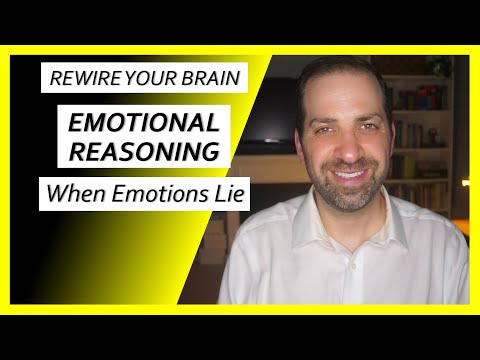
You know how sometimes your feelings just take over? Like, you wake up feeling a bit off, and suddenly the whole day feels ruined. It’s wild how our emotions can twist our thoughts.
Emotional reasoning is one of those sneaky tricks our brains play. Basically, it’s when we let our feelings dictate what we think is true. If you’re feeling sad, you might think, “I’m totally alone,” even if your friends are just a text away.
So let’s chat about some real-world examples of this. I mean, it happens to all of us at some point, right? You’ll see how understanding this stuff can make a huge difference in your mental health journey. Trust me, it’s not just you!
Understanding Emotional Reasoning: An Example to Illustrate Its Impact on Mental Health
Emotional reasoning is one of those things that, when you really think about it, can have a huge impact on how you see the world. It’s when your feelings become facts. You feel something strongly, and suddenly it seems like that feeling has to be true. Like, if you feel sad, you might think, “I’m worthless.” But wait a second—that’s not necessarily true!
Basically, emotional reasoning can mess with your mind. Your feelings can cloud your judgment, making you believe thoughts that maybe aren’t accurate or fair. This is especially relevant in mental health contexts.
Let’s say you’re someone who struggles with anxiety. Maybe you walk into a room full of people and feel a wave of panic. That feeling might lead you to think everyone is judging you or that you’re going to embarrass yourself. So, instead of joining in on the fun, you find yourself standing in the corner feeling miserable.
Now think about this: were people actually judging you? Or was it just your anxiety painting a picture based on feelings? It’s often the latter! Emotional reasoning can trap you in a cycle of negative thoughts and behaviors.
- Example 1: A student feels anxious about an upcoming exam and thinks “I’ll fail for sure.” That feeling drives them to avoid studying because they’re convinced success is impossible.
- Example 2: Someone feels lonely after a breakup and then concludes “I’ll never find love again.” This limits their willingness to meet new people.
These examples show how emotional reasoning can keep us stuck in these thought patterns that lead to more distress. It creates barriers that prevent us from engaging with others or tackling challenges head-on.
So what should we do about it? Awareness is key! Recognizing when your feelings are driving your thoughts can be a game-changer. For instance, if you’re feeling worthless during tough times, try challenging that thought by reminding yourself of times when you’ve succeeded or felt good about yourself.
Breaking this cycle isn’t easy; it takes practice and sometimes help from a therapist who gets what you’re going through. They can help guide you through recognizing these patterns and reframing your thoughts.
The thing is, our emotions are real—they’re valid—but they don’t always tell the whole story. Learning to step back from those emotions can empower you to see things more clearly and take charge of your mental health journey!
Understanding Emotional Reasoning: Real-Life Examples and Insights
Emotional reasoning is one of those tricky concepts that can really mess with our heads. Basically, it’s when you let your feelings dictate what you believe is true. So, if you’re feeling anxious about a presentation, you might think, “I’m definitely going to mess this up.” It’s like taking your emotions at face value instead of questioning them.
Let’s break it down a bit. This kind of thinking can pop up in different ways in daily life and especially when it comes to mental health issues. Here are some examples that might resonate:
1. Anxiety and Catastrophizing: Imagine you’re waiting for a call about a job interview. If you feel nervous, emotional reasoning kicks in—you might start thinking, “They probably didn’t like me; I’ll never get this job.” It feels real because of how anxious you are.
2. Depression and Worthlessness: If you’re experiencing depression and have a bad day, the thoughts can spiral quickly. You might think, “I’m such a failure, I’ll never be happy again.” Even if it’s just one tough day at work or with friends, those emotions can cloud your whole sense of self-worth.
3. Relationship Issues: Say you’re in a relationship and feel jealous. Emotional reasoning might lead you to think, “If I’m feeling jealous, there must be something going on with my partner.” That feeling could trigger suspicion without any solid evidence.
4. Self-esteem Challenges: Let’s say someone tells you they don’t like a certain piece of art you’ve created. An emotional reasoner might say to themselves: “If they don’t like my art, then I must not be talented at all.” That single comment overshadows all the positive feedback you’ve received before.
You see how that works? Our emotions take the front seat and steer our thoughts in directions that aren’t always true or fair to ourselves.
So why does this matter? Well, understanding emotional reasoning is key to managing mental health better. Once you’re aware of how emotions can distort reality, it’s easier to challenge those thoughts—like asking yourself if there’s actual evidence to support them rather than just going along for the ride with your feelings.
You might find therapy helpful for tackling these patterns. Cognitive Behavioral Therapy (CBT), for instance, focuses on unraveling these tangled thoughts—like teaching you how to spot emotional reasoning when it pops up so you can respond more rationally instead.
In the end, acknowledging emotional reasoning doesn’t mean ignoring your feelings; it’s about balancing them with some good old rational thought! When your heart says one thing but logic says another? That’s where the magic happens—you start blending intuition with reason!
Understanding these patterns helps build resilience over time and creates space for healthier thought processes without getting too tangled up in our emotions.
Understanding Emotional Reasoning: Examples of Cognitive Distortions and Their Impact on Mental Health
Emotional reasoning is a pretty common cognitive distortion that affects how you perceive situations and yourself. Basically, it’s when your feelings become the lens through which you interpret reality. If you feel anxious, for instance, you might think there’s real danger ahead, even when there isn’t. This way of thinking can mess with your mental health in some serious ways.
Let’s break it down a little more. Emotional reasoning leads to misconceptions about how things are going in your life. People might end up believing their emotions reflect the truth, even if there’s no solid evidence behind those feelings. It’s like wearing foggy glasses; you can’t see clearly, and everything looks distorted.
Here are a few examples of emotional reasoning:
So, what happens? Well, this kind of thinking can lead to anxiety and depression because it prevents you from seeing situations objectively. Instead of taking stock of actual events and facts, you’re trapped in your emotions.
For instance, imagine Sarah who bombed an exam. She felt horrible and immediately thought she was never going to succeed academically again. This belief weighed her down further and made her less likely to try hard in her studies moving forward—a classic cycle of negativity!
When you rely on emotional reasoning too much, it can limit your choices and keep you from pursuing opportunities or relationships that could actually make things better for you.
The key thing here is to challenge those feelings with logic. Acknowledge that feeling something doesn’t necessarily mean it’s true! Talk back to those nagging doubts by asking yourself if there’s evidence backing up those feelings or if they’re more about how you’re currently feeling.
Taking small steps toward recognizing emotional reasoning can help ground your perspective. It may not happen overnight—change takes time—but each step counts in reprogramming your thought patterns for the better.
Okay, so let’s chat about emotional reasoning for a moment. It’s one of those things we all do, often without even realizing it. Like when you feel super anxious about a test and suddenly think, “I must be terrible at this! I’m gonna fail!” Your feelings kinda take over and twist your thoughts, huh? You know that feeling when your brain’s just spinning in that loop? Yikes.
I remember a close friend who kept saying things like, «If I feel lonely, it must mean no one cares about me.» That’s emotional reasoning in action. Her feelings of loneliness clouded her judgment completely. It’s tough to see how the brain works sometimes; your mind can turn those vibes into absolute truths. But hey, that’s not how reality usually rolls.
In mental health contexts, this can really mess with people. When someone feels down or anxious, they might jump to conclusions based on their emotions rather than facts. Like if you’re feeling sad after a breakup and think, “I’ll never be happy again.” It’s like your emotions become this big foggy blanket that obscures everything else.
But here’s the thing: Recognizing emotional reasoning is the first step towards untangling it. Imagine being able to step back from those feelings and say to yourself: “Okay, just because I feel this way doesn’t mean it’s true.” It takes practice—lots of it—to retrain our brains to look at situations more clearly.
And therapeutic approaches often focus on this too—like cognitive-behavioral therapy (CBT). In CBT, you learn to challenge those distorted thoughts and replace them with more balanced ones. It might sound simple on paper but in real life? Well, it takes effort!
So next time you’re caught up in an emotional whirlwind—give yourself some grace. Emotional reasoning is part of being human after all! Just try to remember that feelings are valid but they don’t always lead us down the right path. Take a breather and maybe check in with some facts instead. You got this!