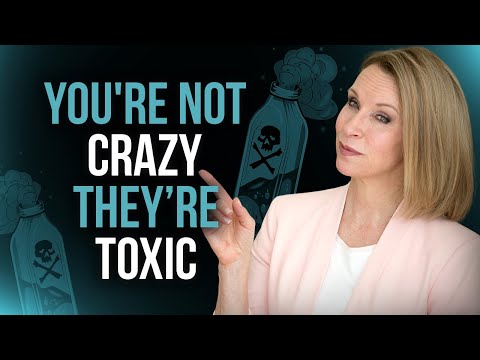
You know that feeling when you’re stuck in a relationship that just feels… off? Like, every time you think it can’t get any worse, it somehow does? Yeah, it’s rough.
There’s this heaviness, right? You’re constantly second-guessing yourself. Is it you? Are you imagining things? Or is this just how love feels sometimes?
Well, let’s be real for a sec. Not all relationships are sunshine and rainbows. Some can really bring you down—like a dark cloud hanging over your head.
We’ve all heard about toxic relationships, but what does that even mean for real? It’s not always super obvious. Sometimes the signs are subtle or hidden behind what looks like love.
So, let’s chat about navigating those tricky waters. Because if you’re feeling trapped in the shadows of an emotional rollercoaster, you aren’t alone. Seriously. Let’s figure this out together!
Overcoming Toxic Relationship Trauma: A Complete Guide to Healing and Recovery
Overcoming toxic relationship trauma can feel like a mountain to climb. The feelings attached to those relationships can be heavy, making it tough to see the light at the end of the tunnel. But here’s the thing: healing is possible. It takes time, effort, and a whole lot of self-love.
First off, you gotta recognize that what you went through is real. Toxic relationships can leave scars—both emotional and mental. Maybe you felt manipulated, belittled, or controlled. Those experiences aren’t just “in your head.” They impact how you see yourself and others.
Next up? Acknowledge your feelings. Seriously, it’s okay to feel hurt, angry, or confused. You might have moments where you replay past events in your mind or wonder if it was all your fault. When I went through something similar, I found that talking about my feelings with friends made me realize I wasn’t crazy for feeling that way.
Now let’s talk about bouncing back. Here are some key steps to help along the way:
- Set Boundaries: Learn to say no and protect your space. It’s okay to put yourself first!
- Seek Support: Whether it’s friends, family, or a therapist—talking things out can be really helpful.
- Create a Safe Environment: Surround yourself with people who uplift you and avoid those who drain you.
- Journaling: Putting pen to paper can help clear your mind and process emotions.
- Practice Self-Care: Find activities that recharge you—reading, painting, or just chilling out!
And hey! Finding someone who gets what you’re going through can be super comforting. A support group or therapy can really sink in when you’re navigating these rocky waters.
It’s also crucial to challenge negative thoughts about yourself. You might think you’re unlovable because of past experiences. That’s simply not true! Replacing those thoughts with affirmations—a few positive words about yourself each day—can reshape how you view things over time.
But remember not to rush the healing process! It’s like peeling an onion; sometimes it stings a little before it gets better, right? Some days will feel easier than others; that’s all part of the journey.
Finally, embrace your own strength! Seriously, surviving a toxic relationship shows resilience beyond measure. Celebrate every little win along the way—from speaking up for yourself to rediscovering what makes you happy.
In short? Healing from toxic relationship trauma isn’t easy; it’s a journey filled with ups and downs. But know this: You deserve peace and healthier relationships. With time and effort, you’ll find yourself emerging stronger than ever before!
Understanding Detoxing from Toxic Relationships: A Step-by-Step Guide to Emotional Healing
Detoxing from a toxic relationship can feel like climbing a mountain. It’s tough, sometimes painful, but the view from the top? Totally worth it. You deserve to feel good about yourself and your connections with others. So let’s break this down.
Step 1: Acknowledge the Toxicity
First off, you gotta recognize what’s going on. Is your partner constantly belittling you? Maybe they’re manipulating your feelings or isolating you from friends and family? There’s a big difference between normal disagreements and behavior that makes you feel miserable, confused, or unworthy. A friend of mine once shared how her ex used to twist her words around until she didn’t even know what she thought anymore. Once she realized this wasn’t normal, it was like a light bulb went off.
Step 2: Set Boundaries
Once you’ve acknowledged the toxicity, it’s boundary time. Boundaries help protect your emotional space. It might feel weird at first, especially if they’re not used to hearing “no.” But hey, boundaries are like fences—you wouldn’t want neighbors stomping all over your yard, right? Start small; it could be something as simple as saying no to last-minute plans that drain you.
Step 3: Seek Support
Now is a great time to lean on friends and family who understand your situation. You gotta have people in your corner who can remind you of your worth when things get tough. Plus, talking about what you’ve gone through can help lift some of that emotional weight off your shoulders.
Step 4: Reflect on Your Feelings
Take some quiet time for reflection. Journaling can be especially powerful here; write down how the relationship made you feel—angry, sad, maybe even relieved? Understanding these emotions is like giving voice to them; it helps in processing everything instead of bottling it up inside.
Step 5: Focus on Self-Care
No healing journey is complete without self-care! Think bubble baths, walks in nature—even binge-watching that series everyone’s been raving about! Self-care isn’t selfish; it’s essential for reclaiming parts of yourself that might’ve been hidden away for too long.
Step 6: Consider Professional Help
Sometimes talking to a therapist can really change the game. They can offer tools and strategies tailored just for you. Finding someone who gets where you’re coming from makes all the difference.
Step 7: Take Your Time
Healing isn’t linear—it doesn’t follow a straight path with timelines and milestones marked clearly along the way. You may find yourself taking two steps forward and one back sometimes—and that’s totally okay! Be gentle with yourself as you navigate through all those emotions.
Detoxing from toxic relationships isn’t easy by any means. But taking these steps can guide you toward emotional healing and reclaiming your life one day at a time—and trust me when I say it feels so good to be free again!
Breaking Free: A Guide to Escaping Emotionally Toxic Relationships
Breaking free from an emotionally toxic relationship can feel like climbing a mountain. It’s tough and the journey is filled with bumps along the way. You might be wondering, how do you even know if you’re in one of these relationships? Let’s break it down, alright?
Firstly, an emotionally toxic relationship is often characterized by a lack of respect, support, or understanding. You’ll probably feel drained more often than not. It’s like being stuck in a never-ending cycle of negativity. A partner who constantly belittles you, manipulates your feelings, or doesn’t appreciate your efforts? Yeah, that’s a big red flag.
So, what can you do to start escaping this situation? Here are some key points to consider:
You know what? I once had a friend named Jess who was in a relationship like this. She’d come to me every week complaining about her partner’s harsh words and dismissive attitude. One day, I told her to imagine how she’d feel if she were treated like royalty instead of just ‘fine.’ That little shift in perspective helped her realize she deserved better.
Another important point: focus on self-care. This means taking care of your mental health through activities that make you happy—like painting, going out with friends or even just curling up with a good book. It helps rebuild your confidence.
Now let’s talk about ending the relationship. This part can feel super scary but necessary for your well-being. Here are some thoughts on how to go about it:
Overall, breaking free takes guts and determination but remember: you absolutely deserve love that lifts you up!. Letting go of toxicity isn’t just about ending pain; it’s about opening yourself up to healthier relationships where respect and trust flourish.
And always keep in mind: recovery is not linear—there will be ups and downs along the way but every step forward counts!
Navigating the shadows of an emotional toxic relationship can feel like walking through a thick fog. Seriously, one moment you’re happy, and the next, you’re second-guessing your whole existence. It’s exhausting!
Let me share a little something. I once had a friend, let’s call her Sarah. She was in this relationship that seemed, on the outside, pretty perfect. He was charming, funny, and they went on great adventures. But behind closed doors? It was a different story. There were constant put-downs disguised as jokes and that feeling of never being good enough. It’s like she was stuck in this cycle of hope and disappointment. You know what I mean?
It’s tough to recognize when you’re in such a situation because there are those lovely moments that keep you hanging on—like a glimmer of sunshine peeking through the clouds when it rains nonstop. But those bright moments can be deceptive, hiding the fact that your emotional needs aren’t being met.
The thing is, these toxic relationships often mess with your mind. You might start doubting yourself or even feeling guilty for wanting to leave or speak up about what’s bothering you. It’s like living in a rollercoaster where every loop leaves you dizzy and disoriented.
You might find yourself rationalizing their behavior too: “Oh, he just had a bad day” or “I’m sure she didn’t mean it like that.” But deep down, you know it hurts! When love becomes more painful than joyful, and communication turns into blame games rather than support… well, it’s time to take stock.
So how do you begin to untangle yourself from this mess? It starts with recognizing your own worth! Seriously! You deserve to be treated with respect and kindness—even when things get tough or messy.
Talking about how you feel with trusted friends or even professionals can help shed some light on your situation too. Sometimes we need an outside perspective to snap us back into reality because being wrapped up in toxicity can blur our vision.
And if you decide to step away from the relationship? That’s totally valid! It’s not always easy; there are feelings tied up in history and memories that don’t just disappear overnight. But think about it—you owe it to yourself to navigate towards healthier shores instead of being stuck in murky waters.
At the end of the day, remember: it’s okay to prioritize your own mental health and happiness over anyone else’s expectations or whims—no matter how hard it may seem at first. You’ve got this!