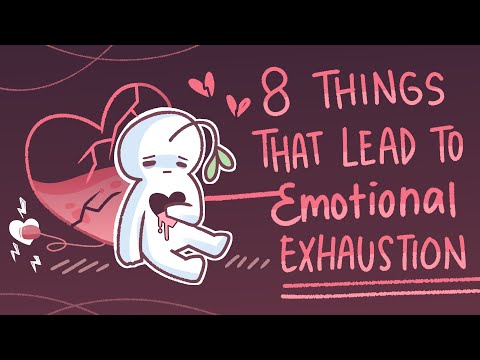
You know that feeling when you’re just… drained? Like, all your energy is gone, and you’ve got nothing left to give? That’s emotional exhaustion, and it’s more common than you might think.
It sneaks up on you when life gets overwhelming. Work stress, personal issues, or just the daily grind can really wear you down. You’re left feeling wiped out, no matter how much sleep you get.
And the thing is, this isn’t just being tired. It’s deeper, like a heavy fog that settles in your mind. So let’s chat about what emotional exhaustion really means and how it messes with our mental health. You in?
Signs Someone Is Emotionally Drained: Recognizing Emotional Exhaustion
Emotional exhaustion, wow, it can be a heavy thing to carry. It’s like waking up every day feeling like you’re dragging a giant weight behind you. You might not even realize it’s happening until you’re too far down the road. So, how can you tell if someone—maybe even you—is emotionally drained? There are some pretty telltale signs.
First off, constant fatigue is a big red flag. It’s not just being tired from a long day at work or lack of sleep. When you’re emotionally exhausted, that fatigue feels different. You might find yourself sleeping more but still feel wiped out. It’s like your battery just won’t charge.
Another sign is irritability. If someone usually has a chill vibe but suddenly snaps over little things, that could be a sign something’s off. I remember my friend Sarah; she used to be the kindest person I knew. But after months of dealing with a stressful job and personal issues, she’d get frustrated at the smallest stuff—like when her coffee wasn’t hot enough.
Then there’s this feeling of detachment. It’s as if you’re living in a fog and everything feels distant or unreal. You might notice someone withdrawing from friends and family or losing interest in activities they once loved. When my buddy James started skipping our game nights and ghosting our messages, I knew something was really wrong.
Also important is difficulty concentrating. When your mind feels heavy with emotions, focusing on tasks can be like trying to run through quicksand—frustrating and slow-moving. So if someone seems distracted all the time or forgets appointments regularly? Yeah, that might point to emotional overload.
Physical symptoms can crop up too, which can surprise you! Things like headaches, stomach issues, or muscle tension are common when someone’s emotionally drained. It’s wild how much emotional stress can manifest physically! A friend of mine actually developed chronic migraines during an incredibly tough time in her life.
Lastly, look out for changes in sleep patterns. This could mean insomnia or sleeping way too much—both are bad news bears when it comes to mental health. Emotionally drained people often toss and turn at night because their minds just won’t settle down.
Being aware of these signs is crucial because recognizing emotional exhaustion early on can help prevent it from spiraling into something deeper like anxiety or depression. If you’re feeling any of these things yourself or noticing them in someone close to you, it might be time for some self-care or maybe sitting down for a heart-to-heart chat over coffee (or tea!).
Remember though; everyone handles stress differently! What hits one person hard might barely faze another—that’s what makes human emotions so unique and complex! Still, keeping an eye out for these signs can really help support yourself and those around you who may be struggling with emotional fatigue without even realizing it.
Understanding Emotional Exhaustion: Synonyms and Insights on Mental Fatigue
Emotional exhaustion is something many people experience, but not everyone recognizes what it really means. At its core, emotional exhaustion is that feeling of being totally drained, mentally and emotionally. It’s like you’ve just run a marathon in your head—no energy left to give.
You might hear terms like mental fatigue, stress fatigue, or compassion fatigue thrown around, which are pretty much synonyms in this context. They all point to that heavy feeling when you’ve dealt with too much emotional stuff—whether it’s work stress, personal relationships, or caring for others. The thing is, you can feel emotionally exhausted even if you’re not physically tired. You ever had days where just getting out of bed felt like lifting a weight? Yeah, that’s it.
There are signs to look out for that can help you identify if you’re dealing with this kind of exhaustion. Check this out:
- Constantly feeling tired: You wake up feeling like you need another 10 hours.
- Feeling overwhelmed: Even small tasks can feel like they’re piling up.
- Lack of motivation: You used to love doing things but now they seem pointless.
- Irritability: Little things get on your nerves more than they used to.
- Difficulty concentrating: Your mind feels foggy and it’s hard to focus.
So, let’s break down what might lead you there. Emotional exhaustion often comes from prolonged stressors in life. Maybe you’ve been tackling a tough job situation or facing personal challenges—like supporting a friend who’s going through something rough. Over time, these situations can build up and zap your mental energy faster than you realize.
You know how sometimes you just want to scream into a pillow? That’s actually an urge many feel when they reach the limits of emotional endurance. It’s not just about feeling tired; it can also affect your physical health too! Stress hormones can mess with your body over time leading to headaches or even stomach issues.
To cope with emotional exhaustion, it’s super important to listen to yourself. Take breaks when needed; don’t be afraid to say no sometimes. Self-care isn’t just a buzzword; it really matters! Talk it out with someone who gets you—it could be a friend or maybe even a therapist.
In short, recognizing emotional exhaustion is the first step towards dealing with it effectively. It’s all about understanding the signs and taking steps back towards balance in your life. Trust me; giving yourself permission to take care of your mental health is one of the best gifts you can offer yourself!
Overcoming Mental and Emotional Exhaustion: Strategies for Renewal and Resilience
Emotional exhaustion is like that heavy blanket you just can’t shake off. You know, when all the stress and feelings pile up, and suddenly, you’re drained? This state affects your mood and makes everything feel like a huge effort. It’s not just about being tired; it can sneak into your daily life, making it hard to focus or muster up excitement for things you used to love.
So, what causes this emotional drain? Well, a ton of reasons can lead to feeling overwhelmed. Work stress, family responsibilities, or even ongoing global issues can all chip away at your mental energy over time. You might feel detached from people or even have trouble sleeping—I mean, who hasn’t had those sleepless nights turning in bed thinking about all the stuff weighing on your mind?
If you’re feeling this way, it’s crucial to renew that energy and build resilience. Here are some strategies that could help:
- Recognize the Signs: First off, acknowledge how you’re feeling. It’s okay to admit you’re not at your best. Sometimes just saying out loud that you feel exhausted is a relief.
- Set Boundaries: If people are draining your energy—like toxic relationships or work expectations—learn to say no. Protecting your peace is key!
- Take Breaks: Short breaks during the day can be life-savers. Even a five-minute stretch or stepping outside for fresh air makes a difference.
- Pursue Your Interests: Remember what makes you happy? Dive back into hobbies! Painting, gardening, reading… whatever fills your cup!
- Meditation & Mindfulness: Seriously consider trying mindfulness practices or meditation. They help ground you and ease that overwhelming mind chatter.
- Talk It Out: Don’t bottle things up! Find someone who gets it—a friend or therapist—and let them in on how you’re feeling.
You might resonate with one particular story: I once had a friend who was juggling work and family demands. She felt completely spent—like she was running on empty all the time. After she started carving out time for herself—like taking yoga classes and even just binge-watching her favorite shows—she began to recharge little by little. Over time, those small acts made her more resilient against life’s stresses.
The process of overcoming emotional exhaustion isn’t instant; it might take time and patience with yourself. Be gentle! Everyone goes through rough patches; it’s part of being human.
In short, if you’re battling emotional exhaustion right now—or know someone who is—remember these strategies can really help guide the way back to feeling like yourself again. It’s okay to seek support too; every step counts toward renewal and resilience!
Emotional exhaustion, wow, that’s one heavy topic, huh? It’s something I think a lot of us can relate to without even realizing it. You know those days when you feel like you’ve just run a marathon but haven’t even moved? Yeah, that’s emotional exhaustion in a nutshell.
Picture this: you’ve had a long week at work. Maybe your boss is on your case or you’re juggling family responsibilities. By Friday evening, you crash on the couch. Your body’s there, but your brain feels like it’s just floating around in a fog. You can’t even bring yourself to binge-watch your favorite show or scroll through Instagram. It’s like all the good stuff has lost its spark.
What happens is that emotional exhaustion sneaks up on you. It doesn’t scream for attention; instead, it whispers quietly until, boom! You’re feeling drained and overwhelmed. It can stem from stress, overcommitment—like when you’re always the one saying yes—or even from being around too many people if you’re more of an introvert.
For me, I remember a time when I was volunteering at multiple events while juggling school and work. At first, it felt awesome to help everyone out and be involved in my community. But slowly, I started feeling like I was running on empty. My friends noticed I wasn’t quite myself anymore; I’d snap at little things or just zone out during conversations.
The thing is, recognizing emotional exhaustion isn’t always easy. You might think it’s just tiredness or maybe even burnout from work. That’s part of why it’s important to check in with yourself regularly. Are you feeling detached? Like everything is overwhelming? These are signs it might be time for a break.
You don’t have to tackle everything all at once! Taking small steps—like setting boundaries or carving out time for self-care—can really help recharge your batteries over time. So yeah, understanding emotional exhaustion helps us figure out how to take better care of ourselves and our mental health.
In the end, it’s all about balance and being kind to yourself when you’re feeling worn out emotionally. It’s okay not to have everything figured out! Everyone hits that wall sometimes; what matters is how we respond to it and make space for our well-being again.