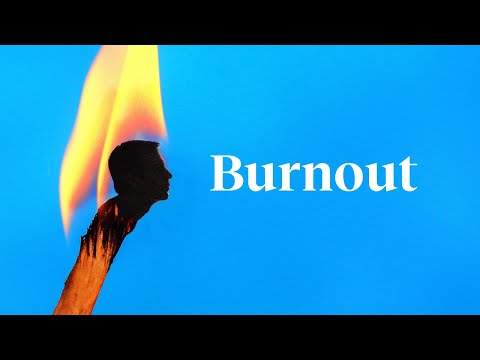
You know that feeling when you’re just running on empty? Like, no matter how much coffee you drink, you’re still dragging your feet? Yeah, that’s emotional exhaustion creeping in.
It’s pretty sneaky, too. It can hit you when you least expect it. One minute you’re fine, and the next, everything feels heavy and overwhelming. Seriously, it can mess with your head in ways you might not even realize at first.
And we’ve all been there—feeling burnt out from work or just life itself. But what does it actually do to us mentally? Are you feeling more irritable? Or maybe you’re just tired of being tired? Let’s dig into those signs and see what’s going on under the surface. You might find some lightbulb moments along the way!
Identifying the Signs of Emotional Exhaustion: Symptoms You Should Know
Emotional exhaustion is a real thing, and it can hit harder than you’d expect. You know that feeling when you’re just drained but not sure why? Yeah, that could be emotional exhaustion creeping in. It happens when your emotional resources have been stretched thin, often due to stress or overwhelming situations.
You might notice some signs popping up if this is happening to you or someone you know. Here are a few symptoms to keep an eye on:
- Fatigue: You feel tired all the time, like no amount of sleep helps. It’s like waking up after a full night’s sleep but still wanting to crawl back under the covers.
- Cynicism: You start feeling disconnected from things you once loved or enjoyed. A favorite hobby may suddenly seem pointless.
- Irritability: Little stuff gets on your nerves way more than usual. Like, instead of just rolling your eyes at your partner’s socks on the floor, you might feel like yelling.
- Difficulties concentrating: Your brain feels foggy or slow. Tasks that were once easy seem to take forever, and you find yourself staring at a screen without really absorbing anything.
- Physical symptoms: Headaches, stomach issues, or even frequent colds can pop up because stress takes a toll on your body too.
It’s not just about feeling tired; emotional exhaustion can mess with your life in different ways. When I was working a demanding job with little support from my boss, I experienced this firsthand. I’d come home and just collapse on the couch, unable to even think about making dinner or doing anything fun with my friends. That foggy brain and irritability made it impossible to enjoy things I used to love.
Now let’s talk about some psychological effects of emotional exhaustion because they’re pretty significant too. You might start feeling anxious more often or experience bouts of depression because the world feels heavier than usual.
There’s also this thing where emotional exhaustion makes it tough for you to connect with others—like maybe you’ve felt isolated even when surrounded by people who love you! It can also lead to burnout if it goes unchecked.
Catching these signs early is super important for your mental health. So if something feels off and it sticks around longer than just having a bad day, it might be worth talking to someone about how you’re feeling—whether that’s a friend or even a therapist.
In short, spotting the signs of emotional exhaustion isn’t just about recognizing fatigue; it’s about understanding how it’s affecting your whole life and well-being! Keep an eye out for those symptoms because taking action sooner rather than later is key to getting back on track!
Understanding Emotional Burnout: Key Psychological Symptoms and Signs of Exhaustion
Emotional burnout is one of those things that just creeps up on you, and before you know it, you’re running on empty. You might feel really drained, frustrated, or like nothing you do seems to matter anymore. It’s a tough spot to be in, and it can seriously impact your mental health.
When we talk about **emotional burnout**, we’re usually referring to a state of emotional, physical, and mental exhaustion caused by prolonged stress. You know how it feels when you’ve been working non-stop? Imagine that feeling but on an emotional level. You’re completely worn out from the pressures of life—whether it’s work, relationships, or caring for others.
So what are the **key symptoms** to look out for? Here’s a little rundown:
- Chronic Fatigue: You wake up tired even after a full night’s sleep. It’s like your battery’s been drained.
- Increased Cynicism: Everything starts to feel pointless. You might find yourself thinking things like “What’s the point?” way too often.
- Emotional Numbness: Moments that used to spark joy now leave you feeling… well, nothing at all.
- Difficulty Concentrating: Everyday tasks feel overwhelming. Focusing on what needs to get done can become tough.
- Irritability: Small annoyances turn into big frustrations. You snap at loved ones without even realizing why.
Let me tell you—it’s super common for people who are caregivers or in demanding jobs to experience this. I remember a friend who worked in healthcare; she was always helping others but felt completely depleted herself. She started losing interest in things she once loved and became easily frustrated with her family over little stuff.
The **psychological effects** of emotional burnout can really add up too. You might start feeling anxious all the time or get caught in a loop of negative thoughts that seem impossible to shake off. Sometimes people even experience depression because they’re just so worn down from trying to keep everything together.
And here’s where it gets tricky: many folks don’t recognize these signs as burnout at first. They think they’re just tired or stressed out from work—but it runs deeper than that! It can lead some people to withdraw from social interactions or avoid responsibilities altogether.
In the long run, if emotional burnout isn’t addressed, it can lead to serious mental health issues. So recognizing and understanding these symptoms is key! Taking small breaks throughout your day or finding outlets like talking with friends could help manage some of the fatigue.
Remember—if you’re feeling this way for an extended period, don’t hesitate to reach out for help! You’re not alone in this struggle, and sometimes getting support—like talking with a therapist—can make all the difference. Emotional well-being is super important, and taking care of yourself should always be a priority!
Identifying the Symptoms of Brain Exhaustion: Signs Your Mental Health Needs Attention
Brain exhaustion is one of those things that sneaks up on you. You might be going through your day, feeling a bit off, not quite understanding why everything just feels heavy. It’s like you’re dragging a bag of bricks around in your head. Let’s break down some signs that maybe it’s time to pay your brain a little more attention.
Constant Fatigue
You wake up tired, even after what should’ve been a solid night’s sleep. This is more than just feeling sleepy; it’s like your brain is running on empty all the time. Imagine trying to drive a car with no gas—it just doesn’t work, right? That’s your mind when it’s exhausted.
Inability to Focus
You know that feeling when you’re staring at something but can’t absorb any information? That’s mental fatigue kicking in. You might find yourself rereading the same paragraph or zoning out during conversations. It can feel frustrating, like trying to catch smoke with your bare hands.
Irritability and Mood Swings
Ever notice how small things start bothering you more than usual? Your patience wears thin for no apparent reason. This emotional rollercoaster can create tension in relationships, turning minor issues into major blowups.
Lack of Motivation
When brain exhaustion strikes, motivation tends to take a nosedive. Activities that once excited you may seem dull or burdensome instead. It’s tough when even getting out of bed feels like climbing a mountain.
Physical Symptoms
Sometimes emotional exhaustion doesn’t just chill in your head; it can show up physically too! Headaches, muscle tension, and stomach issues can all tag along for the ride—basically your body saying, “Hey! Something’s off here!”
Avoidance Behavior
You might start avoiding tasks or people because they feel overwhelming. Maybe you ghost friends because socializing feels like running a marathon—exhausting and not super fun anymore.
So yeah, if any of these sound familiar, it definitely makes sense to pause and check in with yourself. Our brains work hard for us every day; they deserve care just like our bodies do! If you’re seeing these symptoms pop up frequently or they start interfering with daily life—like work or relationships—consider reaching out for help.
Mental health matters, and recognizing the signs early on means you’re being proactive about keeping yourself balanced and healthy! Don’t forget: taking care of your mind is not only okay; it’s essential!
You know, emotional exhaustion can sneak up on you like a thief in the night. One moment you’re feeling okay, and the next, you’re just… done. It’s that heavy weight on your chest, right? Like your brain’s running a marathon but your heart just wants to take a nap.
Sometimes it starts with little signs that you might brush off at first. You could be snapping at friends over small things, or maybe you find yourself zoning out during conversations. Remember that time when your buddy was telling you about their day and you were just staring into space? Yeah, it can get like that—where you feel distant from everyone around you.
And let’s talk about sleep. Not the cozy kind where you’re dreaming of beach vacations, but the kind where you wake up tired even after eight hours. That feeling when the alarm goes off and all you want to do is hit snooze for the rest of eternity? Yep, that’s a red flag!
Now these signs can lead to some pretty tough psychological effects too. When you’re emotionally drained, stress becomes this unwelcome roommate living rent-free in your head. Anxiety levels might creep up on you like an unexpected pop quiz—totally uninvited and oh-so-stressful! Your motivation takes a nosedive as well; things that used to excite you suddenly feel like chores.
I remember a time when I was juggling work and personal stuff, pushing through on autopilot. I thought I was fine until one day everything felt overwhelming. Even my favorite hobbies lost their spark. I found myself questioning my abilities and feeling super isolated—even in a crowd of people who cared about me.
The thing is, emotional exhaustion isn’t just an individual struggle; it ripples into relationships too. You might notice friends getting concerned about your mood changes or pulling away because they feel helpless or confused.
So if you’re noticing these signs in yourself or someone close to you—like being emotionally drained without any visible reason—take a step back and breathe for a moment. Seriously! It’s okay to acknowledge what you’re feeling instead of pushing through it like everything’s normal because it’s definitely not a sign of weakness; it’s simply being human! Seeking help can be such an important step towards finding balance again… because no one should have to carry that weight alone!