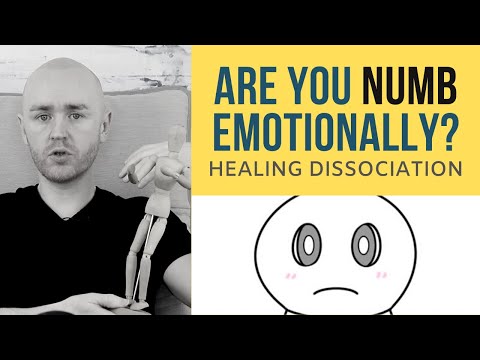
You ever feel like you’re stuck in neutral? Like, nothing really excites you anymore? That’s emotional flatness for ya.
It’s that weird space where life just feels… flat. No highs, no lows, just a gray everything. And trust me, it can totally mess with your head.
People think it’s just about being down or sad. But it goes deeper than that—like a fog that doesn’t lift. You might find yourself distancing from friends or losing interest in things you used to love.
So, what’s up with this flat feeling? Let’s chat about how it creeps in and what it can do to your mental health.
Understanding Emotional Blunting: The Impact of Pristiq on Mental Health
Emotional blunting is one of those things we don’t talk about enough. It’s when you feel a sort of emotional flatness, like your feelings are muted. You might find it hard to experience joy or sadness. Everything just feels… well, boring or numb. For some people, this happens as a side effect of certain medications, like Pristiq.
Pristiq, also known as desvenlafaxine, is commonly prescribed for depression and anxiety. But sometimes it can make emotions feel less intense. So, what’s the deal with that? Let’s break it down.
What Is Emotional Blunting?
It’s basically when your emotional responses aren’t as strong as they should be. Imagine getting exciting news but feeling nothing – just a blank stare instead of jumping for joy. Weird, right? It’s not that you don’t care; it’s more like your brain’s volume control is turned way down.
How Pristiq Works
Basically, Pristiq affects serotonin and norepinephrine in your brain. These chemicals help regulate mood and emotions. When they’re balanced, you feel happy and engaged with life. But sometimes the adjustment doesn’t go as planned. You might end up feeling emotionally flat instead of flying high.
The Science Behind Emotional Flatness
When taking antidepressants like Pristiq, some people report emotional blunting because these meds can dampen both the highs and lows of emotional experiences. Think of it this way: if you suppress sadness without boosting happiness equally, the result could be an overall dull emotional state.
Why Does This Happen?
The truth is, everyone reacts differently to medications. Some folks may feel relief from their symptoms while others might find themselves missing out on the full range of feelings that make life rich and vibrant.
Now let’s look at some key points:
An example? Imagine planning a big birthday celebration but not feeling any excitement about it at all. That was my friend Sarah last year; she felt so flat that even cake didn’t spark joy!
If you’re facing this issue after starting Pristiq or another similar medication, it’s important to talk to your doctor about it. Sometimes they can adjust your dose or even switch meds entirely.
Moving Forward
Dealing with emotional blunting isn’t easy; there’s likely a balance to find between managing your mental health symptoms and maintaining those precious feelings that make life enjoyable. Communication with health professionals is key here—as well as expressing how you’re feeling about any changes caused by medication.
In short, if you’re experiencing emotional flatness on Pristiq or other antidepressants, know you’re not alone in this struggle! Understanding what’s going on can help you take steps toward finding the right approach for you—where happiness isn’t just an echo but something vibrant and real again!
Recognizing Emotional Blunting: Key Signs and Self-Assessment Tips
Recognizing emotional blunting can be a bit tricky, you know? It’s that feeling when your emotions just flatline. You might find yourself going through life, but it feels like you’re watching it from the sidelines. Like, everything is happening, but you’re not really *feeling* anything about it.
So, what exactly is emotional blunting? Basically, it’s when you have a reduced ability to experience emotions. Happy moments feel less intense, and sad ones? Well, they don’t hit as hard either. This can affect your relationships, work-life, and overall joy in living.
Key signs of emotional blunting include:
- You feel disconnected from others or don’t respond emotionally to situations you normally would.
- Your reactions to events are underwhelming—like hearing about something amazing and just thinking “cool” instead of feeling excited.
- You struggle to express emotions. Maybe you realize it’s hard to cry even when you want to.
- Activities that once brought joy now leave you feeling «meh.»
Let’s say you’re out with friends. Everyone’s laughing and having a blast, but in the back of your mind, you’re kind of just… there. You nod along but don’t really join in on the fun. This can be super isolating.
Now comes the part where self-assessment can come into play. If any of this sounds familiar, try asking yourself a few questions:
1. How often do I experience genuine joy or sadness? If it’s rare or non-existent lately, that might raise some flags.
2. Do I often find myself avoiding social situations because they feel overwhelming or pointless?
3. How do I feel about my relationships? Am I connecting with others like I used to?
It might help keeping a journal too. Write down your feelings—or lack thereof—each day. Even if nothing significant happened, jot down your thoughts anyway; this could lead to better self-understanding.
Emotional blunting isn’t always easy to spot right away or even talk about openly with friends. It’s one of those things that can creep up on you without warning. But acknowledging it is the first step toward getting back in touch with what really matters: living fully and deeply.
If you’re finding this happens often or feels heavy on your heart and mind, talking to someone—like a therapist—can be incredibly helpful! They can help uncover what’s behind this emotional flatness and guide you toward those feelings again.
In short? Emotional blunting might seem distant at first glance but being proactive is so important! Keep an eye on those signs and take care of yourself—you deserve it!
Understanding the Trauma Behind Emotional Numbness: Causes and Insights
Emotional numbness can feel like a heavy blanket, smothering your feelings until everything is just… flat. You might wonder why you can’t feel joy or sadness the same way you used to. The thing is, this numbness often comes from some pretty deep wounds, and understanding it is key to finding a way back to experiencing life fully.
What Causes Emotional Numbness?
There are several things that can trigger this feeling. One of the biggest culprits is trauma. This could be anything from a traumatic event like an accident or abuse to ongoing stress from situations like a tough childhood or an unhealthy relationship. Essentially, when you experience trauma, your mind sometimes decides it’s safer to shut down your emotions rather than risk getting hurt again. It’s like putting up walls—you’re trying to protect yourself.
Another factor can be depression. When you’re feeling depressed, it’s common for emotions to become dulled. You know how days can pass and nothing seems to matter? That’s part of it. And then there are anxiety disorders that also contribute because they create constant worry and fear, which can wear you down emotionally.
Sometimes certain medications can lead to this numbness too. Certain antidepressants might help with depression but also cause side effects that reduce emotional responses overall. It’s like a trade-off that doesn’t always feel fair.
The Effects on Mental Health
So what happens when you’re emotionally numb? Well, first off, it can make daily life super challenging. Not feeling emotions means not being able to really connect with people—friends or family might think you’re distant or uninterested when really, your feelings are just hidden away in the back of your mind.
There’s also this sneaky way emotional numbness reinforces itself. The less you feel, the harder it becomes to experience positive emotions again—like joy or excitement—leading you into even deeper isolation.
Anecdote Time
I once had a friend who went through something really intense—a bad breakup combined with job loss all in one go. For months after that, he seemed kind of… blank? No smiles during movie nights, no excitement about his favorite band coming into town—it was heartbreaking for all of us who loved him! But what I learned was he was dealing with more than just sadness; he was trying not to feel anything at all because feeling meant facing pain again.
Insights for Moving Forward
Recognizing emotional numbness is huge because it’s the first step towards unpacking those feelings you’ve stuffed down inside. Talking about these experiences with someone—whether it’s a therapist or trusted friend—can help break down some of those walls you’ve built.
Engaging in activities that once brought joy can also slowly chip away at that flat feeling—even if at first it feels pointless. It’s kind of like training a muscle; gradually pushing through the discomfort helps make those emotions come alive again.
And remember: it’s okay if progress feels slow! Healing isn’t linear; there will be ups and downs but being aware of what leads to emotional numbness puts you on the right track toward reclaiming those feelings and living fully again.
In short: understanding trauma-related emotional numbness isn’t just important for facing your own feelings; it’s also an invitation into deeper connections with yourself and others as you heal and grow.
You know, emotional flatness can be a tricky thing. It’s that feeling where everything just seems…meh. You go through your day, but it’s like you’re on autopilot—no highs, no lows, just a steady hum. Maybe it’s not too harsh at first. But over time? It can really wear you down.
I remember a friend of mine who went through this phase. She was usually full of energy, cracking jokes and sharing her wild ideas. Then one day, it was like someone had hit the mute button on her emotions. She didn’t feel sad or happy; she just felt blank. At first, we all thought she was just busy or tired from work. But as weeks turned into months, it became clear that something deeper was going on.
The thing is, emotional flatness isn’t just about feeling dull; it’s really linked to mental health issues like depression or anxiety. When you’re stuck in that neutral zone, you might avoid things that used to bring you joy or you might struggle to connect with other people—because how can you share excitement when you’re not feeling it? So, yeah, isolation creeps in before you even notice.
Another challenging part is that people around you often don’t get it right away either. They might say things like “just cheer up” or “you’ll be fine,” which honestly doesn’t help. When someone tells you to snap out of it while you’re navigating this emotional fog? It feels like they’re brushing off your reality—like they can’t see how hard it is to feel nothing at all.
Additionally, there’s this pesky cycle where emotional flatness leads to even more stress and frustration. If you can’t feel happy about the good stuff happening around you or if stressful situations seem magnified without any relief in sight—you end up in a loop that’s hard to escape.
But here’s the silver lining: talking to someone about what you’re experiencing can really help break that cycle! Whether it’s a therapist or trusted friend—you don’t have to tackle the fog alone. It’s all about finding ways to reconnect with those emotions—slowly letting them back in so that life starts feeling vibrant again.
So if you’ve been feeling emotionally flat lately—or know someone who has—remember that it’s okay to reach out for support and explore those feelings together again! You deserve more than «meh» days; everyone does!