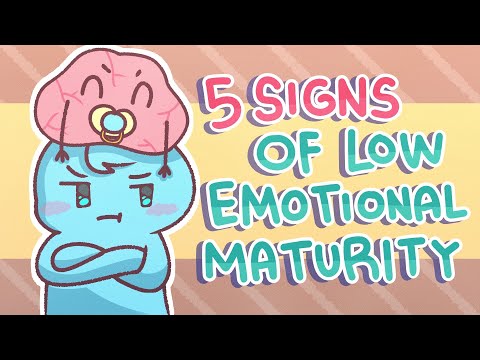
You know those people who just seem to get life? Like, they handle stress like pros and keep their cool while others are losing it? Yeah, those are the emotionally mature folks.
It’s not just about being chill, though. They’ve got this way of seeing the world that makes everything feel a little more manageable. Seriously, wouldn’t it be nice to zoom into that mindset?
Let’s chat about what makes these people tick. Spoiler alert: it’s not magic! It’s about understanding themselves and others in ways that truly matter. So, if you’re curious about what emotional maturity looks like and how it ties into mental health, stick around. You might just find some inspiration!
Unlocking Emotional Maturity: 5 Key Traits of Emotionally Mature Individuals
Emotional maturity is one of those things that feels a bit abstract, you know? But it really boils down to how you handle your feelings and relationships. It’s not something you’re born with. You grow into it, often through experiences and self-reflection. So, let’s break down some key traits of emotionally mature individuals.
Self-Awareness is like having a mirror for your feelings. Emotionally mature folks understand their emotions deeply. They know what triggers them, why they feel certain ways, and how those feelings affect their behavior. For example, if they’re upset because of work stress, they don’t just snap at others; they take a moment to understand where that anger is coming from.
Accountability is another biggie. It’s not just about saying “It wasn’t my fault.” Emotionally mature people take responsibility for their actions, even when it’s uncomfortable. If they make a mistake in their relationship or at work—and believe me, we all do—they own up and try to make it right instead of playing the blame game.
Then we’ve got Empathy. This isn’t just sympathy; it’s an active effort to understand what someone else is feeling. Emotionally mature individuals can step into another person’s shoes and really feel what they’re going through. It’s that connection that allows for deeper relationships and better communication. Think about a friend who listens and validates your struggles without jumping straight to advice—that’s empathy in action.
Next up is Emotional Regulation. This means controlling your emotional responses rather than letting your feelings control you. It’s like being the captain of your ship during stormy seas—staying calm when life gets chaotic instead of panicking or lashing out. Let’s say someone cuts you off in traffic; instead of yelling or making rude gestures, an emotionally mature person might take a deep breath and remind themselves that getting upset won’t change the situation.
Lastly, there’s Resilience. Life can throw curveballs—seriously! Emotionally mature people bounce back from setbacks without losing hope or spiraling into despair. They see challenges as opportunities for growth rather than barriers. Picture someone who loses a job but uses that experience as fuel to learn new skills or start fresh somewhere else.
So yeah, emotional maturity isn’t some mystical state; it’s built on these traits over time through life lessons and self-reflection. And while we all have our moments of immaturity—it’s part of being human—recognizing these traits can help guide us toward healthier emotional habits and strong relationships!
12 Common Phrases Emotionally Immature People Use and What They Reveal
So, it’s fascinating when you start paying attention to the stuff people say. There are phrases that pop up often from emotionally immature folks, and they can reveal a lot about their mindset and how they handle emotions. Here are some common phrases you might hear, along with what they say about emotional maturity.
«You’re being too sensitive.»
This one tends to show a lack of empathy. It’s like saying that the other person’s feelings don’t matter. Emotional maturity involves understanding that everyone experiences things differently. If someone feels hurt, their feelings are valid, even if you don’t quite get it.
«I don’t care.»
When someone responds like this, it can be a defense mechanism. They might not want to deal with something because it’s too overwhelming or uncomfortable for them. An emotionally mature individual would likely acknowledge their feelings instead of shutting down.
«It’s your fault.»
Blame-shifting is classic immature behavior. It avoids taking responsibility and can deepen conflicts. Instead of owning up to mistakes, this kind of comment creates distance in relationships. Mature individuals would talk things through instead of pointing fingers.
«I’m fine.»
You know that one? Usually said when everything is not fine at all! This phrase often indicates an unwillingness to confront emotions directly. Emotionally mature people would express their feelings honestly rather than hide behind a facade.
«You’re overreacting.»
Similar to calling someone «too sensitive,» this phrase dismisses the other person’s emotional reaction without acknowledging its validity. A more mature approach involves validating feelings even when reactions seem intense.
«I can’t handle this right now.»
While it’s important to set boundaries, constantly using this as an escape route shows avoidance behavior. Emotionally mature folks are more likely to pause and communicate their needs while still being open to discussions later on.
«It’s not a big deal.»
Dismissing what’s bothering others minimizes their experience and can shut down conversations before they even start. A healthy dialogue involves recognizing that what seems minor to one person can feel huge to another.
«You make me feel…»
This statement tends to put responsibility for one’s feelings onto someone else, which isn’t fair or true! Emotionally mature people understand that they control their own reactions and emotions rather than laying blame on others.
«Whatever.»
This word says a lot without actually saying much at all! It’s often used as a way of disengaging from uncomfortable conversations or as a defensive tactic against emotional vulnerability.
«Can’t we just move on?»
Wanting things to be resolved quickly is understandable, but brushing deeper issues under the rug prevents growth and healing in relationships—it’s like putting on a band-aid while ignoring the wound beneath it!
And finally,
«Why do you care so much?»
This phrase can come off as judgmental or belittling towards someone’s concerns or passions. Emotionally mature folks recognize the importance of caring deeply about certain things—everyone has different triggers!
So yeah, these phrases tell us something about emotional maturity levels—realizing this might help you navigate your interactions better or even reflect on your own communication style! Remember: maturity isn’t just about age; it’s about how we cope with our emotions and those of others.
Effective Strategies for Communicating with Emotionally Immature Individuals
Communicating with emotionally immature individuals can sometimes feel like navigating a minefield. You know, it’s not easy. It’s like trying to have a deep conversation with someone who just wants to talk about their favorite cartoon. But there are some strategies that might help you connect better without losing your sanity.
Stay Calm and Collected
First off, it helps to keep your cool. Emotionally immature folks might react strongly or get defensive. If you stay calm, you create a space where they can feel safe to express themselves without escalating the situation. Think about it like this: if you’re both yelling, no one’s going to listen.
Use Simple Language
Another thing is to keep your words simple and clear. Complex ideas can fly right over their heads, so stick to straightforward language. For example, instead of saying “I feel upset because I perceive you’re disregarding my feelings,” just say something like, “I’m really hurt when you ignore me.” Simplicity can go a long way.
Set Boundaries
Setting boundaries is crucial too. Let them know what behaviors are okay and what aren’t. For instance, if they’re interrupting you constantly, just say something like, “I’d appreciate it if you let me finish my thoughts before jumping in.” It gives them a clear idea of what’s expected.
Practice Active Listening
Here’s one that might surprise you: try active listening. This means really focusing on what they’re saying instead of thinking about how you’ll respond next. Show them you’re listening by nodding or giving little verbal cues like “I see” or “That makes sense.” Even if their ideas are scattered, acknowledging them can make all the difference.
Avoid Blame Language
Blame language tends to put people on the defensive. Instead of saying things like “You never listen,” try framing it differently: “I feel ignored when I’m trying to share something important.” See how that shifts the focus away from blame? It makes communication more constructive.
Don’t Expect Immediate Growth
And hey, don’t expect overnight changes! People often take time to develop emotional maturity; it’s not always an instant process. Celebrate small victories along the way—like minor improvements in how they communicate—that’s progress!
In essence, dealing with emotionally immature individuals requires patience and understanding but implementing these strategies may help ease some frustrations along the way!
You know, when we talk about emotionally mature people, it’s like a breath of fresh air. They just have this way of handling life that feels calming, you know? They don’t freak out over every little thing. Instead, they often take a step back and really think things through. It’s almost as if they’ve got this inner compass guiding them through the chaos.
I remember a friend who went through a tough breakup. Instead of wallowing in self-pity for ages—like I might have—she took time to really process her feelings. She spoke honestly about her pain but didn’t let it drown her. I was in awe! She recognized her emotions were valid but also understood that they didn’t define her whole existence. In moments like those, you realize how powerful emotional maturity can be.
Emotionally mature folks often have great empathy too. They get that everyone has their battles and try to put themselves in others’ shoes. It makes conversations with them feel so much more understanding and genuine—like when my co-worker shared his struggles with anxiety at work, and instead of brushing it off or making it awkward, my friend quietly listened and offered support.
Then there’s the ability to communicate effectively without resorting to drama or conflict escalation. Seriously, how refreshing is that? When they disagree with someone, they bring up their point calmly instead of shouting over each other. I once witnessed this during a family dinner where tensions ran high because of differing opinions on politics. One family member took a deep breath and said something like “I see your perspective; can we talk about it?” And suddenly the whole atmosphere shifted!
But here’s the kicker: emotionally mature individuals are also okay with vulnerability. How amazing is it when someone admits they’ve messed up or that they’re feeling down? It creates this connection that makes you feel ‘hey, I’m not alone in my struggles.’ This openness breeds trust and honesty in relationships.
So yeah, these traits might seem simple on the surface but are truly profound when you dig deeper into them. Emotional maturity isn’t just about being chill; it’s about embracing your feelings while navigating life’s ups and downs with grace—not easy by any means! It takes work and self-awareness but man, does it make such a difference for mental health—and for everyone around them too!