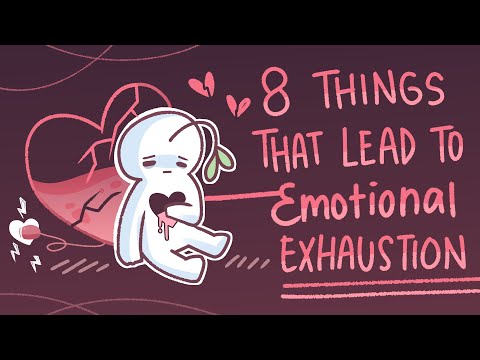
You know that feeling when you’ve just had it? Like you’ve been running on empty for way too long? Yeah, that’s emotional exhaustion.
It sneaks up on you, wraps around your brain and leaves you feeling drained. You might wonder what’s going on—like, how did I get here?
Well, it turns out there’s a lot more to it than just being tired. Emotional exhaustion isn’t just about feeling worn out; it’s kind of a signal from your mind that something needs to change.
Let’s chat about what it means and why we should pay attention. Because, seriously, we all need a little TLC sometimes.
Understanding Emotional Exhaustion: Key Causes and Coping Strategies
Emotional exhaustion is something many people face, and it can feel really heavy. You know that feeling when you’ve had a long day and just can’t muster up the energy to talk? Yeah, that’s emotional exhaustion creeping in.
What is Emotional Exhaustion? It’s basically when you feel drained and overwhelmed by your emotions. It’s not just about being tired; it’s like your emotional battery is running on empty. This can stem from stress, anxiety, or even just dealing with everyday challenges. Your brain feels like a cluttered attic—filled with stuff, but nothing makes sense anymore.
Key Causes: There are several factors that lead to this feeling of being emotionally spent:
- Chronic Stress: If you’re juggling work, family, and personal issues constantly without a break, it’s no wonder you feel wiped out.
- Excessive Responsibility: Taking on too much can drain anyone. You might feel like you have to be the one holding everything together.
- Lack of Support: When you’re going through tough times but don’t have someone to lean on? Ouch! That isolation can really take its toll.
- Workplace Burnout: If you’re in an environment where demands are high and recognition is low? That can really suck the life out of you.
Think about Sarah, who worked as a nurse during the pandemic. She was dedicated but felt overwhelmed with long shifts and endless patient needs. Even when she got home, she couldn’t shake off the tension; it was exhausting just thinking about tomorrow.
Now, what about dealing with this? Coping strategies are essential:
Coping Strategies:
- Set Boundaries: Learn to say no sometimes. It’s okay if you can’t help everyone all the time.
- Pace Yourself: Break tasks up into smaller chunks instead of tackling everything at once. You’ll feel less pressured this way!
- Simplify Your Life: Sometimes decluttering your space or schedule can help clear your mind too.
- Talk About It: Sharing how you feel—whether it’s with friends or a therapist—can lighten the load significantly.
You know what helps? Activities that recharge you. Whether that’s taking a walk in nature or bingeing on that show you’ve been meaning to watch—find what restores your spirit!
Lastly, if emotional exhaustion persists, don’t hesitate to reach out for professional help. There’s no shame in needing support to navigate these feelings; it means you’re human! And hey, recognizing when you need assistance is pretty powerful in itself.
So next time you’re feeling those weighty vibes dragging you down, remember there are ways out of that foggy haze—and taking small steps could make all the difference!
Recognizing Emotional Burnout: Key Signs and Symptoms to Look For
So, emotional burnout, huh? It’s a real struggle that many people face, but it’s often hard to recognize until you’re knee-deep in it. You might be feeling continuously drained or overwhelmed and think it’s just part of your routine. But that’s where it gets tricky. It can sneak up on you!
What is Emotional Burnout? Basically, it’s like your emotional battery has run out completely. It feels like you’ve been running on empty for ages and have nothing left to give. You might notice a sense of detachment from your work or even the people around you—kind of like everything is happening in slow motion.
Now, let’s talk about the signs and symptoms you should keep an eye out for.
- Chronic Fatigue: If getting out of bed feels like climbing a mountain, this could be a red flag. You’re constantly tired, no matter how much sleep you’re getting.
- Emotional Drain: You just don’t feel anything anymore—or sometimes too much! You might feel sad, angry, or just plain blah.
- Lack of Motivation: Tasks that used to excite you now feel like a burden. Ever find yourself staring at your work for hours but not being able to get started? Yeah, that.
- Irritability: Little things start to annoy you way more than they should. That loud chewing? Suddenly unbearable!
- Dissociation: It can feel like you’re watching life happen from the outside instead of actually participating in it.
- Physical Symptoms: Stress can literally make you sick. Headaches, stomach issues—those aren’t just “coincidental” when you’re emotionally fried.
Think about someone who loves their job as a teacher but finds themselves counting down the days until summer break mid-year—that could be burnout creeping in! Or maybe someone who used to enjoy cooking now avoids the kitchen altogether because it just feels too overwhelming.
Your Relationships May Suffer. When you’re burnt out, connecting with friends becomes harder too. You might cancel plans because socializing feels draining—a classic sign that something’s off.
So what does all this mean? Emotional exhaustion isn’t just “feeling tired.” It’s a signal from your mind and body telling you that something needs attention! If you’re checking off any of these boxes and feel stuck in an endless loop of fatigue and frustration, you’re not alone.
Look, recognizing these signs is really the first step toward finding balance again. Maybe take some time for yourself—like stepping back and reassessing what’s weighing on you. It’s okay to pause and breathe; we all get burned out sometimes! Just remember that spotting those signs early can help steer you back towards feeling like yourself again.
Understanding Emotional Exhaustion: Take the Test to Assess Your Mental Well-Being
So, let’s talk about emotional exhaustion. You know, that feeling when you’re just drained? Like, no matter how much rest you get, you still feel mentally and emotionally wiped out. It’s like running a marathon in your mind without even moving an inch physically. Seriously.
Emotional exhaustion is a part of burnout, and it can really sneak up on you. It happens when you’ve been dealing with stress for way too long. Think about a time when you were juggling work, family issues, or maybe even personal challenges. You felt like you were in a fog—like everything was too much to handle.
Basically, it’s your brain and body saying “time out!” It’s not just fatigue; it’s also the feeling of being overwhelmed and detached from everything around you. Some folks might say they feel numb or just kind of empty inside. That’s pretty common.
- Common Signs:
- You’re always tired—no matter how much sleep you get.
- Your mood swings are getting worse; one minute you’re fine, the next minute you’re not.
- You find yourself zoning out during conversations or tasks.
- Tasks that used to be easy feel impossibly heavy.
- You might even lose interest in hobbies or things that used to excite you.
If any of this sounds familiar, don’t panic! There’s a good chance you’re experiencing emotional exhaustion. Now might be a good time for some self-reflection—or even to take an assessment test to see where you stand with your mental well-being.
A simple test could involve questions about your energy levels or how often you’ve felt overwhelmed recently. For example: “How often do I struggle to concentrate?” or “Do I feel emotionally drained after interacting with others?” These kinds of questions help pinpoint where you’re at emotionally.
But remember: taking this kind of test is just the first step! If it turns out that emotional exhaustion is something you’re dealing with, there are ways to help yourself feel better again. It could be chatting with someone about what you’re going through or finding activities that recharge your batteries instead of draining them more.
The thing is, acknowledging this exhaustion doesn’t mean you’re weak—it’s actually a sign of strength! Realizing that something isn’t right is huge because it’s the first step towards doing something about it. Everyone goes through rough patches; it’s normal!
In summary, emotional exhaustion can happen to anyone who faces ongoing stress without enough downtime to recover emotionally and mentally. Recognizing the signs is key, so take those assessments seriously and be gentle with yourself during tough times!
Emotional exhaustion, huh? It’s so real and often hits harder than we realize. You know those days when you feel like you’ve been on a treadmill all day, but you haven’t actually moved? Yeah, that’s the kind of drained feeling we’re talking about here.
Think about it. You’ve got work, family, friends, or whatever else is keeping your brain buzzing and your heart racing. All these demands can pile up. Before you know it, you’re just… spent. Like, nothing left in the emotional tank. It’s not just tiredness; it’s a heavy wall of fatigue that even a weekend binge-watching your favorite show can’t break down.
I remember a time when I was juggling multiple projects at work while also trying to keep up with friends and family obligations. Some days felt like running uphill in flip-flops—really not fun! I’d wake up with this fog in my head and a persistent heaviness in my chest. It wasn’t just physical tiredness; I felt mentally out of gas too. Every little thing felt monumental, like even choosing what to eat for lunch was some big-life decision.
So dive into the psychology behind it: emotional exhaustion is kind of our brain’s way of saying, “Hey! Time to tap out!” It often roots from chronic stress or being overly involved without enough downtime. When you push yourself too much—whether it’s caring for others or grinding hard at work—you risk burning out emotionally.
In therapy terms, emotional exhaustion might be linked to burnout syndrome or even depression if it sticks around long enough. The signs are pretty clear: increased irritability, lack of motivation, maybe even some anxiety creeping in. You might find yourself withdrawing from activities or people that once brought joy because everything feels too overwhelming.
The bright side? Acknowledging it is key! You gotta give yourself permission to take breaks and recharge. Whether it’s spending time alone with a good book or talking things out with someone you trust—like seriously important stuff here—recognizing what you’re feeling can really help lighten that load.
So if you’re feeling emotionally drained right now or know someone who is—know that it’s okay to feel this way. Give yourself room to breathe and heal; life’s too short to be running on empty all the time!