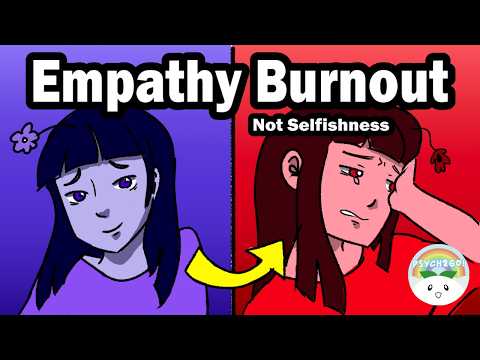
You know, burnout can be a total beast, right? Especially in mental health care. It’s like, you’re there trying to help others, but your own energy just drains away.
Empathy usually shines bright in this field. But when you’re running on empty, it’s tough to keep that flame alive. Seriously.
So what gives? How does empathy even fit into this burnout mess? Let’s talk about it. Buckle up; it’s gonna be real and maybe a bit messy!
Understanding Empathy Burnout: Signs, Causes, and Coping Strategies
Empathy is like a superpower, right? It helps us connect with others and truly understand what they’re going through. But there’s a flip side to that coin: empathy burnout. This is when the emotional toll of caring for others gets too heavy. You end up feeling drained, overwhelmed, or even resentful. So, let’s break it down.
Signs of Empathy Burnout
You might be experiencing empathy burnout if you notice:
- You feel exhausted all the time, even after sleeping.
- Things that used to matter start feeling pointless.
- You find yourself avoiding friends or loved ones.
- Your patience wears thin more easily than before.
- You feel emotionally numb or detached from situations.
For example, imagine you’re a therapist who listens to clients’ struggles all day. Over time, hearing about their pain can weigh on you. Maybe after a particularly tough day, you snap at your partner for leaving the dishes undone. That’s a clear sign things are getting heavy.
Causes of Empathy Burnout
So what exactly leads to this burnout? There are quite a few factors at play:
- Constant exposure to suffering: Being around distress can take an emotional toll.
- Lack of support: Feeling isolated or unsupported in your work can amplify stress.
- High expectations: Putting pressure on yourself to always be compassionate can wear you down.
- Poor work-life balance: When work consumes personal time, it gets harder to recharge your batteries.
You know how after long days at work some people just want silence? If you’re in a helping profession and only get that silence when you hit the pillow at night, it’s natural to feel burnt out.
Coping Strategies
Now that we’ve got the signs and causes down, let’s talk about how to handle this sticky situation:
- Set boundaries: It’s okay to say no sometimes. Protect your energy!
- Practice self-care: Engage in activities that fill you up—reading, hiking, whatever floats your boat!
- Seek support: Talk it out with colleagues or friends who get it; shared experiences can lighten the load.
- Meditation and mindfulness: These practices help ground you and reduce stress levels significantly.
Imagine being in a meeting where everyone’s sharing their overwhelming experiences. It can get heavy fast! But if someone mentions taking breaks or doing yoga together after lunch? That could totally shift the atmosphere for everyone involved.
Recognizing empathy burnout is crucial for anyone in caregiving professions. Seriously—it’s about finding balance between caring for others and caring for yourself. Keeping an eye on those signs and implementing coping strategies makes all the difference in preventing burnout from sneaking up on you again!
Understanding Empathy Burnout in Relationships: Causes, Signs, and Solutions
Empathy is a beautiful thing, isn’t it? It’s that warm feeling you get when you really connect with someone else’s emotions. But here’s the catch: sometimes feeling too much can lead to what we call empathy burnout. This is especially common in relationships, where you’re constantly tuning into someone else’s feelings. It can get overwhelming, you know?
So, let’s break this down. First off, what causes empathy burnout? It often comes from constantly being the emotional support for others while ignoring your own needs. Think of it as pouring water into a cup that has holes in it. Eventually, there won’t be anything left to give.
Look at your friend who always listens to other people’s problems but never shares their own. After a while, they might feel tired or even resentful because they’re carrying everyone else’s baggage without releasing any of their own.
Now let’s talk about some signs that might mean you’re heading toward empathy burnout:
- Emotional exhaustion: You feel drained all the time and just can’t muster up that usual care for others.
- Cynicism: You begin to feel jaded about relationships or think less of people.
- Avoidance: You start to withdraw from social situations or avoid conversations altogether.
- Irritability: Little things set you off more than usual; patience seems like a thing of the past.
- Physical symptoms: Headaches or stomach issues can pop up when you’re stressed from feeling too much.
Feeling any of these? Well, it’s not just in your head; it’s your body and mind telling you something is off balance.
But don’t worry—there are ways to combat this empathy burnout. Here are some solutions:
- Set boundaries: It’s okay to say no sometimes! Protect your emotional space.
- Pursue self-care: Do things that make you happy and recharge you—like hobbies or spending time with friends who lift you up.
- Tune into yourself: Regularly check in on how YOU’RE feeling. Journaling can help with sorting out those emotions.
- Sneak in some mindfulness: Practices like meditation or just taking those deep breaths can ground you when things get overwhelming.
- Talk about it: Share how you’re feeling with someone you trust; often just saying it out loud helps lighten the load.
I had this one friend who was always there for everyone else. After a while, they started snapping at us over silly stuff—like asking them what pizza toppings they wanted! Turns out they felt buried under everyone else’s dramas but didn’t know how to voice their own struggles. Once they opened up about needing space, and took time for themselves, everything changed.
In relationships, empathy should be mutual. If you’re feeling burnt out, it might be time to have an honest chat with those close to you about finding that balance again. Remember: bouncing back from empathy burnout takes practice, but it’s absolutely achievable!
Understanding Empathy Burnout and Compassion Fatigue: Key Differences and Coping Strategies
Sure! Let’s dig into that topic of empathy burnout and compassion fatigue, shall we? Both are serious issues, especially for those in mental health care and caregiving roles.
So, first off, what’s the deal with **empathy burnout**? It’s that feeling when you’ve given so much emotional energy but can’t seem to recharge your batteries. You know that moment when you’re just drained, right? It often shows up as a lack of interest or motivation in your work, even if it used to excite you.
On the flip side, **compassion fatigue** hits differently. It sneaks up on you after prolonged exposure to others’ suffering. Picture someone who hears heartbreaking stories day after day—eventually, it wears them down. They might feel numb or even develop symptoms like anxiety or depression themselves. Those feelings can make it hard to connect with clients—or anyone really—because you just feel tapped out.
Here are some key differences between the two:
Now let me tell you about a friend of mine—she’s a therapist who pours her heart into every session. At first, she loved it; helping people felt rewarding. But after years of hearing heavy stories without enough self-care breaks, she hit that wall. It was empathy burnout knocking at her door! She realized she needed to prioritize her well-being to really help others again.
Now let’s chat about coping strategies because you got to have tools in your toolkit! Here are some effective ideas:
Each one of these strategies helps keep both burnout and fatigue at bay so you can keep being there for those who need support.
To wrap up this whole thing: empathy is a beautiful tool that helps us connect but remember—you’re not a superhero! Finding ways to refill your emotional cup isn’t just healthier for you; it’s better for those you’re helping too. When you’re okay, that’s when real change happens!
Burnout in mental health care is like this heavy-weight blanket you just can’t shake off. You know? It creeps in slowly, and before you realize it, you’re feeling drained and a bit cynical about your work. I remember talking to a counselor friend of mine—she was so passionate about her job, always ready to support her clients. But then one day, she just broke down, saying she felt like she was running on empty. That’s when we started chatting about empathy.
See, empathy is this superpower that can really help combat burnout, not just for the people receiving care but for those providing it too. When you’re deeply attuned to someone else’s feelings and struggles, it creates this connection that makes the work feel meaningful. But here’s the kicker: if you’re too focused on being empathetic without also taking care of yourself, it can backfire. It’s like pouring from an empty cup—you end up feeling less and less human.
So how do we strike that balance? Well, it starts with recognizing your limits. If you’re too busy carrying the weight of others’ emotions without letting some of it go—yikes! That’s when burnout starts knocking on your door. Compassion fatigue is real! You can be empathetic without losing sight of your own needs.
Sometimes it’s as simple as taking a breather or reaching out for support yourself. I had another chat with my friend who told me how implementing small self-care rituals into her routine helped her reconnect with why she got into mental health in the first place. A good walk outside or even a few minutes of mindful breathing made all the difference.
Empathy shouldn’t be exhausting; it should be a source of strength and resilience. And recognizing when things feel heavy—or even too much—is key to keeping that spark alive both for yourself and those who rely on you every day. This whole balancing act isn’t easy, but by leaning into empathy while also being kind to ourselves, we can create an environment where everyone thrives a little more… Seriously!