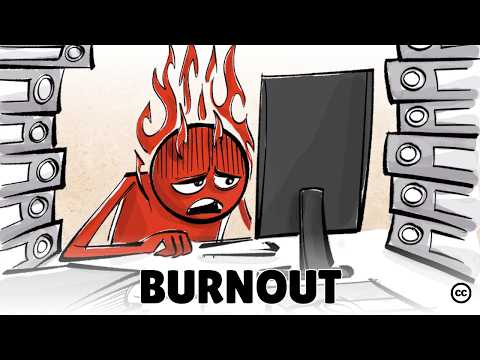
You know that feeling when you just can’t anymore? Like, you’ve been pouring your heart out for so long that there’s nothing left? That’s empathy burnout, my friend.
It sneaks up on you, often when you’re trying to be there for others. You think you’re fine, but then one day, it hits you hard. You feel drained, overwhelmed—like a battery that just won’t charge anymore.
It’s tough because empathy is such a beautiful thing. We want to care for others. But what happens when caring becomes too much?
Let’s chat about how to spot those signs of empathy burnout. You’ll wanna know this for yourself or maybe someone close to you. So grab a seat and let’s dive into it!
Understanding the Symptoms of Empathy Burnout: Signs You Shouldn’t Ignore
Empathy burnout is one of those sneaky things, you know? It creeps in when you’ve been giving so much emotional energy to others that you just feel drained. If you’re working in a caring profession or simply someone who tends to put others first, it’s super important to keep an eye on how you’re feeling.
One major sign of empathy burnout is emotional exhaustion. You might notice that even small interactions can leave you feeling completely wiped out. It’s like after a long day of caring for someone, you just want to crash—no energy left for yourself, right?
Another thing to watch out for is irritability. That patience you usually have? Poof! It can disappear fast. Maybe your coworker’s small talk drives you nuts, or your friend asking for another favor feels like way too much. This irritability often bubbles up because you’re feeling overwhelmed and can’t find a way to recharge your emotional batteries.
Then there’s the sense of detachment. If you’re starting to feel numb or disconnected from the people around you, that can be a big red flag. You might catch yourself zoning out during conversations or not really caring about what happens in others’ lives anymore. It’s like putting up an invisible wall between you and everyone else.
Physical symptoms can also pop up—think headaches or stomach issues. Stress takes a toll on the body, and when you’re overextended emotionally, it often manifests physically too. If you’ve been dealing with unexplained tension or aches, consider the possibility that it might be related to how much empathy you’re handing out without enough coming back.
Also, keep an eye out for decreased productivity. You might find yourself dragging through tasks that used to be easy peasy lemon squeezy for you! Your brain feels foggy and focusing becomes a chore rather than something enjoyable.
If any of this sounds familiar, it’s definitely worth taking some time to reflect on your own needs. Make sure you’re carving out space just for yourself—like taking breaks, practicing self-care routines, or even seeking professional support if needed. Because at the end of the day? You gotta take care of yourself first before you can truly help others!
Recognizing Empath Burnout: Symptoms, Signs, and Strategies for Recovery
Empath burnout is a real thing, and it can hit surprisingly hard. If you’re someone who finds yourself deeply affected by others’ emotions, you might be more susceptible to feeling worn out. The thing is, being empathetic is fantastic, but it can also drain your energy if you’re not careful. So let’s break down what to look for and how you might bounce back.
Symptoms of Empath Burnout can manifest in various ways. You might feel emotionally exhausted or even physically tired without any clear reason. Sometimes, you could find that you’re unusually irritable or frustrated with the people around you. Think about a time when someone’s crying made you want to cry too—but now instead of feeling that connection, you just feel overwhelmed.
Here are some common signs:
- Emotional numbness: When your heart’s been so involved that it just kind of shuts off.
- Detachment: Feeling disconnected from friends or family members, like you’re observing life from behind glass.
- Increased anxiety: A tendency to worry about others’ problems as if they were your own, leaving little room for your thoughts.
- Physical symptoms: Headaches, fatigue, or stomach issues that seem tied to stress rather than illness.
- Avoidance: Stepping back from social situations because they feel too draining.
Now that we’ve got some symptoms down, let’s chat about strategies for recovery. It’s super important not only to notice these signs but also to take action when they pop up.
First off, set borders. This means learning when to say no and protecting your personal space. It’s okay to step away from conversations if they get too intense for you! Think of it like putting on an emotional life jacket.
Another great strategy? Self-care. Yep! This isn’t just buzzword jargon. It means taking time for activities that recharge your batteries—reading a book in the sun or going for a walk can do wonders.
Also consider scheduling downtime. Make it a part of your routine! Even 15 minutes of meditation or simply sitting in silence can help bring things back into balance and ground yourself again.
And don’t forget about connecting with fellow empaths or supportive friends who understand what you’re going through. Sharing experiences helps lighten the load and reminds you you’re not alone.
Lastly, if you’ve tried self-care but still feel lost, reaching out to a mental health professional could be beneficial—seriously! A therapist can help guide you through this tricky landscape of emotions and provide tools catered specifically to you.
So remember: recognizing empath burnout is the first step towards healing! Keep an eye out for those signs; listen to what your body and mind are telling you. You deserve space and peace just as much as anyone else does!
Exploring the Impact of Burnout on Empathy: Understanding the Connection
Burnout is more than just feeling tired from work. It’s this overwhelming exhaustion that can creep in, especially if you’re in a helping profession, like mental health care. And when burnout hits, it can seriously mess with your ability to feel empathy for others.
So, what exactly is **empathy burnout**? It’s that point where you start feeling numb or detached from the emotions of those around you. Imagine sitting across from someone who’s sharing their deepest struggles, but instead of feeling connected, you just feel… nothing. That’s empathy burnout creeping in.
Now, let’s break down some signs and symptoms of empathy burnout:
- Emotional exhaustion: You might notice a sense of depletion or fatigue that doesn’t go away even after resting.
- Numbness: Feeling disconnected from your own emotions or those of others can be an early sign.
- Irritability: When you snap at someone over small things, it might be a red flag that you’re overwhelmed.
- Reduced job satisfaction: If you once loved your work but now dread going in, pay attention!
- Cynicism: You could start questioning the worth of your efforts or feel like nothing you do makes a difference.
I remember talking to a friend who was a therapist. She’d pour her heart into listening to clients every day. But after a while, she noticed she was getting irritated with their stories instead of connecting with them. It was like the weight of everyone else’s problems started to crush hers too.
Burnout can impact empathy in several ways. Firstly, when you’re stressed and exhausted, it saps your energy—kind of like how running on empty makes it hard to concentrate on driving safely. You know what I mean? Your brain switches into survival mode and starts shutting down those emotional connections.
What often happens is that people begin prioritizing their own needs over others’. It’s not selfish; it’s survival! But this shift can leave those around you feeling unsupported and unheard.
So how is all this connected? Well, if we don’t take steps to address our burnout—like setting boundaries or practicing self-care—this emotional detachment can spiral into deeper issues both for us and for those we’re trying to help.
That means taking breaks seriously! It might sound simple but even small things have power: grabbing a coffee alone, spending time with friends outside the field, or just taking five minutes to breathe deeply. These little pauses can restore your sense of connection and refresh your capacity for empathy.
Burnout isn’t inevitable; it’s something we have the power to manage (most times!). Remembering why we got into the helping profession in the first place can also reignite our passion and warmth toward others’ experiences.
In summary: recognizing empathy burnout is crucial for anyone who supports others emotionally. By understanding its symptoms and acknowledging its effects on our feelings towards others, we can take steps back towards compassion—both for ourselves and those we serve!
So, let’s chat about empathy burnout. You know that feeling when you’re just, like, emotionally drained? It’s real. Especially for those working in mental health. You start out super passionate and ready to help people heal, but after a while? Everything feels heavy.
I was talking to a friend the other day who’s a therapist. She told me about this one client who was going through an incredibly tough time. Every session, she felt this deep connection and wanted to help so much that it completely zapped her energy. By the end of the week, she was exhausted—not just physically but emotionally too. That’s what empathy burnout can look like.
It’s not just about feeling tired after a long day; it’s more like your emotional battery is running on empty all the time. You might notice things like becoming easily irritated or having trouble concentrating on your own life—tasks that used to be no big deal suddenly feel overwhelming. It’s like trying to fill up your own cup while also pouring out everything you’ve got into someone else’s.
Sometimes, you might even find yourself avoiding certain clients or situations because you just can’t take on any more feelings at that moment. It’s totally understandable! When you’re constantly absorbing other people’s pain or struggles, it can feel suffocating.
Taking time for self-care is essential—I mean seriously! Watching a light-hearted show or going for a walk in nature can do wonders for recharging your spirit. And hey, reaching out for support from colleagues or friends can also make a huge difference; you’re not alone in this struggle.
So next time you feel that familiar heaviness creeping in, take a step back and really listen to what your mind and body are telling you. Recognizing those signs can be the first step towards preventing burnout and keeping your passion alive for helping others while still caring for yourself too. After all, we need to refill our own wells before we can share with others!