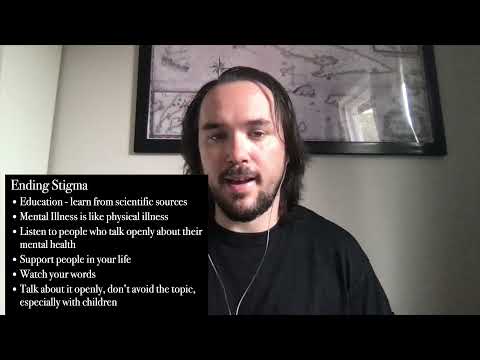
You know what’s wild? Mental health still gets this weird stigma, like we’re not supposed to talk about it.
But here’s the thing: We’re all human, and life can throw some heavy stuff our way. It’s totally okay to struggle sometimes.
Imagine if we could just chat about our feelings without feeling judged. How freeing would that be?
Breaking down those walls is the first step towards healing and growth. No more hiding or pretending everything’s fine when it’s not.
Let’s explore how opening up can pave the way for a healthier mindset—for you, me, and everyone around us.
Breaking the Silence: Effective Strategies to End Mental Health Stigma
Mental health stigma is real, and it can be a heavy weight to carry. When we talk about mental health openly, we create space for healing and understanding. So, how do we shatter that stigma? Here are some strategies that can really make a difference.
- Start Conversations: One of the best ways to break the silence is by talking about mental health like you would about a common cold. You know, just casually mention it in conversations without fear. It’s all part of normalizing what so many people experience.
- Share Personal Stories: Sometimes, sharing your own experiences can resonate deeply with others. Like my friend Sarah, who bravely opened up about her struggle with anxiety at a gathering. It allowed others in the room to share their stories too. That creates connections and reduces feelings of loneliness or shame.
- Educate Yourself and Others: The more you know, the better equipped you are to combat ignorance. This means reading up on mental health conditions or attending workshops. By educating yourself, you can debunk myths when they pop up in conversations.
- Challenge Stereotypes: Whenever you hear someone make a generalization about people with mental health issues—like saying they’re “just looking for attention”—speak up! Use facts or your insights to push back against those stereotypes.
- Promote Positive Representations: Media plays a huge role in shaping perceptions. When shows and movies portray mental health accurately (like how «BoJack Horseman» tackles depression), it helps people understand these experiences better instead of caricaturing them.
- Create Supportive Environments: Whether it’s at work or school, if you’re in any kind of position to foster an inclusive space, do it! Encourage open dialogue around well-being and ensure that everyone knows they’re supported if they need help.
Also, don’t forget to consider sensitivity training. If your workplace or community has resources for that, take advantage! Offering training on mental health can equip everyone with tools and language that promote understanding.
Another powerful way is through social media campaigns using hashtags like #EndTheStigma or #SpeakYourMind. These movements spread awareness far beyond our immediate circles.
Finally, remember that change takes time; it’s not gonna happen overnight. But every little step counts toward creating a culture where talking about mental health feels as normal as chatting about weekend plans.
In the end, breaking the silence isn’t just good for individuals—it’s also great for communities as they grow stronger together through understanding and compassion. So let’s keep those conversations going!
Breaking the Silence: The Crucial Need to End Mental Health Stigma for a Healthier Society
It’s pretty wild how much stigma around mental health still lingers in our society. Like, when you think about it, there’s this odd notion that admitting you’re struggling is a sign of weakness. You know? But the truth is, it takes real courage to talk about your mental health.
So, what’s up with this stigma? Well, basically, it’s a mix of ignorance, fear, and stereotypes that can lead people to feel alone and unsupported when they need help the most. Many people think that mental illness is like a personal failure or something caused by a lack of willpower. This just isn’t true! Mental health struggles are real issues that affect countless folks across all walks of life.
And here’s where things get tricky: when we don’t address this stigma, it creates barriers to getting care. Imagine you’ve been feeling down for weeks but are scared to reach out for help because you worry what others might think. It happens all the time! That fear can stop someone from seeking therapy or even having a simple chat with a friend about how they’re feeling.
Let’s break it down:
- Misinformation breeds fear. People may think mental illnesses are dangerous or make someone unreliable. But honestly? Most folks just want to find ways to cope and heal.
- Isolation becomes the norm. Stigma makes people feel like they can’t talk about their feelings. When someone feels isolated, it can lead them into deeper struggles.
- Seeking help feels daunting. The fear of judgment often stops people from reaching out for therapy or support groups. Seriously, how sad is that? When asking for help should be celebrated!
You might have heard stories like my friend Sarah’s. She was battling anxiety and felt so alone because she didn’t want anyone at work to think she couldn’t handle her job. After months of internal struggle, she finally decided to open up to a coworker she trusted. To her surprise, the coworker had faced similar issues! From that moment on, Sarah felt empowered—and less alone—just by breaking the silence.
Battling stigma requires a community effort. We need each other more than ever here! It starts with education and awareness—like sharing personal stories or simply listening without judgment when someone opens up about their challenges.
Also important: language matters! Using respectful terms when talking about mental illness helps pave the way toward acceptance and understanding.
Look at initiatives popping up everywhere aimed at promoting mental wellness and breaking down barriers through community forums or social media campaigns! The more we talk openly about these topics, the less power stigma holds over us.
So yeah, if we really want to foster healing and growth in our society, it’s crucial to stand together against this stigma surrounding mental health. Every bit counts—whether you’re sharing your story or just supporting someone who shares theirs.
In the end? Ending this silence can lead us all towards a healthier society where everyone feels free to seek help without fear or shame hanging over their heads. And isn’t that what we really want?
Understanding the Impact of Mental Health Stigma: Key Conclusions and Insights
Mental health stigma is a real issue that affects so many people, and understanding it is super important. The thing is, stigma doesn’t just hurt those who are struggling; it spills over into families, communities, and society as a whole. Let’s break this down.
What is Mental Health Stigma?
Basically, stigma refers to negative attitudes and beliefs about people who have mental health conditions. It creates an environment where individuals feel ashamed or embarrassed to seek help. Imagine feeling like you can’t talk about your feelings because others might judge you. That’s how powerful stigma can be.
How Does Stigma Affect People?
The impact of mental health stigma can be profound. Here are some key points to consider:
- Isolation: Many people suffering from mental health issues end up isolating themselves because they fear judgment. This isolation can lead to worsening symptoms.
- Lack of Treatment: Stigmatized individuals may avoid seeking help entirely. Think about it—if you’re afraid of being labeled “crazy,” you’re less likely to reach out for therapy.
- Stereotyping: Society often perpetuates harmful stereotypes, like the idea that people with depression are just “lazy.” It’s frustrating when these misconceptions are everywhere.
- Discrimination: Discrimination in workplaces or schools can happen too. You might not get hired simply because you disclosed a mental health condition during an interview—it’s unfair.
That reminds me of a friend who battled anxiety for years but never went for therapy because she thought people would see her as weak if she did. She felt so alone in her struggle until one day she spoke up in a group setting, and surprisingly found others who were going through similar experiences.
The Role of Media and Culture
The media plays a huge part in shaping perceptions about mental illness. Often, movies or news portrayals don’t accurately reflect what living with a mental health condition looks like—this adds fuel to the fire of misunderstanding and fear.
On the flip side, positive representations can help normalize these discussions and encourage openness, which is crucial for breaking down walls of stigma. It’s like planting seeds for change—every time someone sees a character getting help or talking about their feelings, it makes it easier for others to do the same.
The Path to Healing
Ending mental health stigma isn’t just about helping those affected; it’s also about growing as a society. You know? When we embrace vulnerability instead of shame, everyone benefits.
For example:
- Education: Spreading information about mental illnesses helps demystify them. The more we know, the less we fear!
- Your Voice Matters: Speaking out personally or sharing stories creates connections that remind people they’re not alone.
- Cultural Change: Encouraging workplaces and schools to foster supportive environments makes all the difference.
While battling stigma takes time and effort from all sides—individuals, communities, even policymakers—every little step counts!
In short? Tackling this issue is essential for healing not just individuals but our entire society too! Let’s keep pushing towards acceptance instead of judgment; there’s real power in understanding each other’s struggles.
You know, mental health stigma is like this giant cloud hanging over so many people. It’s heavy and just kind of dims the light for those struggling. I mean, think about it—when someone says they’re feeling anxious or depressed, how often do we jump to label them? That can be both scary and isolating.
I remember a friend of mine, Sarah. She’d been dealing with anxiety for years but never talked about it much. Whenever we’d hang out, she would joke around to mask how she really felt. It wasn’t until one day she broke down and shared her struggles that I realized how much weight she was carrying. Her honesty opened up a huge conversation—not just between us, but eventually with others too.
So yeah, when we push past the stigma, it’s like cracking open a door to real connections and healing. It encourages people to share their stories without fear of judgment. When you openly talk about stuff like anxiety or depression—how it affects your daily life—it normalizes these feelings and experiences. People start realizing they’re not alone.
But let’s be real; breaking this stigma doesn’t happen overnight. It takes courage from all angles—not just individuals but communities too. Schools can educate students about mental health from an early age; workplaces can foster environments where discussions about mental well-being are encouraged instead of brushed aside.
And here’s the thing: dismantling stigma is just as important as finding effective treatment options. When people feel safe to express what they’re going through, that’s when growth happens—both on personal levels and in society as a whole.
In wrapping up, seriously consider being part of the change in your own circles. Show empathy when someone opens up; listen without judgment because you might not realize how much that little effort means to someone who feels unheard or invisible in their struggles. Together, we can shine some light on this topic—and maybe even help others find their way towards healing!