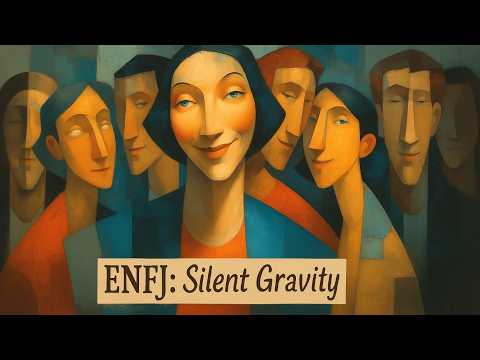
Hey! So, let’s chat about something kinda cool—ENFJs. Have you heard of them? They’re one of those personality types from the whole Myers-Briggs thing.
You know, the ones who seem to light up a room whenever they walk in. They’re warm, friendly, and honestly super empathetic. But there’s more to them than just being charming.
In this little exploration, we’ll dive into what makes ENFJs tick. We’ll talk about how they connect with others and how that affects their mental health too. Sound good? Let’s dig in!
Exploring the ENFJ Personality Type: Are They Natural Psychologists?
ENFJs are a fascinating personality type in the world of psychology, known for their strong social skills, empathy, and drive to help others. They belong to the Myers-Briggs Type Indicator (MBTI) framework and are classified as Extraverted, Intuitive, Feeling, and Judging. Let’s break this down a bit.
First off, if you’re an ENFJ or know one, you probably notice how easy it is for them to connect with people. They thrive in social situations, often picking up on unspoken emotions or feelings in the room. It’s like they have this sixth sense about what others need emotionally. That makes them quite adept at understanding various psychological nuances.
Emotionally speaking, ENFJs can feel deeply connected to other people’s struggles and triumphs. Imagine walking into a room full of friends who seem down; an ENFJ will likely sense that vibe instantly and do their best to lift spirits. This empathy—being able to put themselves in someone else’s shoes—is a huge asset not just in friendship but also in careers related to psychology or mental health.
Now you might be wondering: do these traits make them natural psychologists? Well, kind of! While they may possess qualities that align with good counseling skills, being a psychologist requires specialized training and education beyond natural ability. They often excel in roles where emotional intelligence is key—like therapists or life coaches—but formal education really helps them hone those skills more effectively.
Another strength of ENFJs is their organizational skills. They love making plans and keeping things on track. This attribute is super helpful when working with clients, where structure can provide comfort during therapy sessions. Think about it: having a roadmap makes it easier for both therapist and client to navigate complex emotional terrain together.
However, there are challenges too! Sometimes their eagerness to help others can lead to burnout or neglecting their own needs. You know how they say you can’t pour from an empty cup? That’s especially true for ENFJs because they’re always looking out for others.
In summary, while ENFJs have innate abilities like empathy and strong social skills that could make them great psychologists intuitively, they still need training specific to the field of mental health. And honestly? Their passion for helping people can turn into a powerful force for change when coupled with the right education and tools.
To recap:
- Empathy: They easily connect emotionally.
- Social Skills: Thrive in interpersonal interactions.
- Organization: Good at keeping therapy focused.
- Cautions: Need self-care to avoid burnout.
In the end, if you’re considering whether being an ENFJ means you’re cut out for psychology—just remember: your natural instincts are valuable! But real-world experience and formal training take you even further down that path!
Exploring the Link Between Personality Types and Mental Health Issues: Which Types Are Most Affected?
It’s interesting to think about how our personalities can really affect our mental health, isn’t it? Like, some personality types seem to be more prone to certain mental health issues than others. Well, if we focus on the ENFJ type, which stands for **Extraverted, Intuitive, Feeling, and Judging**, there are a few things worth discussing.
ENFJs are natural leaders and often feel a strong desire to help others. This is great in many ways but can also lead to some struggles. Here’s the thing: their empathetic nature often makes them sensitive to the emotions of those around them. It’s easy for an ENFJ to absorb other people’s stress or sadness. If you’re an ENFJ, you might find yourself feeling overwhelmed by the weight of others’ needs.
Key points about ENFJ personality and mental health issues:
Now take Jess as an example; she’s an ENFJ who always seems chipper at work. But after helping her friends through tough times or coaching colleagues on team projects, she feels exhausted when she gets home. Sometimes it feels like there’s no space left for her own feelings! And then she worries if she’s doing enough or not being supportive enough.
The good news? While there are definitely challenges associated with being an ENFJ, recognizing these traits is a big step toward managing them better! By learning self-care strategies or seeking therapy when needed—ENFJs can develop healthier coping mechanisms.
So yeah, there’s definitely a link between personality types like ENFJs and mental health challenges they might face. Awareness is super important here—it allows you to address potential issues before they become overwhelming!
Understanding ENFJ Stress Responses: How They React and Cope Under Pressure
So, if you’re wondering about the ENFJ personality type, they’re often seen as the “Protagonists.” You know? Kind of like the cheerleaders of the personality world. They thrive on helping others and really value relationships. But when stress hits, things can get a bit wobbly for them.
When an ENFJ faces pressure, their usual sunny disposition can take a dive. The thing is, they might initially react by trying to help others first before dealing with their own stuff. This often makes them feel overwhelmed because they take on too much emotional weight. Seriously, you’d think they’d be focused on themselves at some point, but nope!
Here are some typical ways ENFJs might respond under stress:
- People-Pleasing: They might go out of their way to ensure everyone else is okay, even at their own expense.
- Burnout: Because they invest so much energy in others, they can easily hit a wall and feel completely drained.
- Emotional Outbursts: Sometimes, all that pent-up pressure can lead to unexpected bursts of frustration or tears.
- Avoidance: Instead of facing stressful situations directly, they may distract themselves with social activities or excessive planning.
Imagine this: You’ve got an ENFJ friend named Alex who always seems put together. One day, Alex has a huge project due at work but spends hours comforting a friend who’s going through a breakup instead. By the end of the week? Total meltdown over deadlines and feelings. It’s not that Alex doesn’t care about deadlines — it’s just how deep that desire to be there for others runs.
Coping strategies are key! ENFJs need to find ways to balance their caring nature with self-care:
- Setting Boundaries: Learning to say “no” can mean preserving their own energy for what truly matters.
- Meditation or Mindfulness: Taking quiet time for themselves helps clear their mind and recharge.
- Talking it Out: A trusted friend or therapist can provide space for them to vent without judgment.
- Pursuing Passion Projects: Engaging in hobbies or interests makes them feel fulfilled and less stressed out from responsibilities.
In essence, while ENFJs genuinely want to uplift those around them, it’s super important for them to recognize when they’ve crossed into unhealthy territory. Finding that balance between helping others and taking care of themselves? That’s vital! So next time you see an ENFJ in a bind under stress, maybe remind them that it’s totally okay to put themselves first sometimes.
Alright, let’s chat about the ENFJ personality type. If you’re into psychology or just curious about personality stuff, you might have come across this one. ENFJs are often called “The Protagonists.” They’re usually warm, charismatic folks who thrive on helping others and building strong relationships.
Picture this: a friend of mine, Jamie, is a classic ENFJ. She lights up any room she walks into, always knowing just what to say to lift someone’s spirits. Last week, when I was feeling pretty down about work, she showed up at my door with cookies and a plan for a fun day out. That’s just how they roll—always looking out for others, right?
Now, like any personality type, being an ENFJ has its ups and downs. They can get so wrapped up in caring for others that they sometimes forget to take care of themselves. It’s like they have this endless well of empathy but can run dry if they’re not careful. So yeah, while they can be amazing friends and leaders, they might struggle with burnout or feel unappreciated if their efforts go unnoticed.
In the context of mental health, understanding this type can be super beneficial. ENFJs are typically really good at reading emotions in people; they often have strong intuition about what someone needs emotionally or socially. But it’s also crucial for them to set boundaries—like knowing when to say no or recognizing their own limits.
Therapy can be a great space for them to explore these patterns; maybe even understand why they feel so compelled to help everyone all the time or how to prioritize their own needs without guilt. Professional support can help them cultivate self-compassion while also maintaining their natural desire to uplift others.
So if you’re an ENFJ—or close to one—just remember it’s totally okay to put yourself first sometimes! You matter too! And hey, maybe think about how your incredible warmth and energy impacts the people around you but don’t forget you gotta refill your own cup as well!