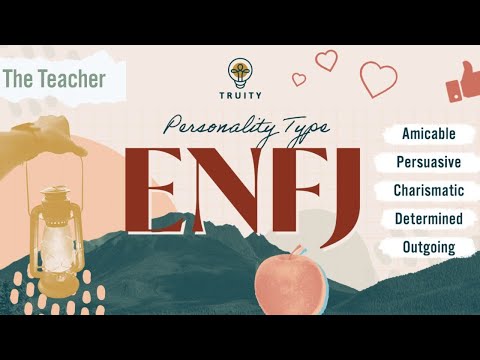
You know how some people just seem to get you? They can read the room like it’s an open book. That’s an ENFJ for you.
This personality type, often called the «Protagonist,» is all about connecting and supporting others. They bring warmth and positivity into any space they occupy.
But here’s the thing: understanding their personality can offer some pretty cool insights into mental health. Seriously, it’s a game-changer.
Because when you know what makes ENFJs tick, you can better appreciate their emotional needs and struggles. Let’s unpack this together!
Exploring the ENFJ Personality: Do They Make Effective Therapists?
The ENFJ personality type, often referred to as “The Protagonist,” is known for being charismatic, empathetic, and highly attuned to the emotions of others. If you’ve ever met someone who just lights up a room and seems to genuinely care about everyone around them, there’s a good chance they might be an ENFJ.
In a therapeutic setting, ENFJs can be incredibly effective. Their natural ability to connect with people makes it easier for clients to open up. They have this knack for making you feel understood and valued, which is pretty crucial in therapy. Seriously, feeling heard can make all the difference when you’re trying to work through tough stuff.
Now let’s dive into what makes ENFJs such great therapists:
- Empathy: Their capacity for empathy is off the charts. They can pick up on subtle emotional cues that others might miss. This means they’re likely to notice when something’s off with a client even if it isn’t expressed verbally.
- Communication Skills: These folks are great communicators. They know how to express their thoughts clearly and adjust their style based on who they’re talking with. This adaptability helps them reach clients in ways that resonate.
- Passion for Helping Others: ENFJs often feel a deep sense of responsibility toward helping people improve their lives. It’s not just about doing a job; it’s about making a difference.
- Strong Intuition: They rely on intuition quite a bit, which allows them to grasp underlying issues quickly. So if there’s some unspoken tension or concern, they’ll likely catch it before it becomes too big of an issue.
But being an ENFJ doesn’t come without its challenges in therapy roles. For one, their desire to help can lead them to take on too much emotional weight from clients. It’s like carrying around everyone else’s baggage along with your own—eventually you might find yourself overwhelmed.
Another thing is that they might sometimes struggle with setting boundaries because they want everyone to be happy and fulfilled. You know how we say “you can’t pour from an empty cup”? Well, if they don’t take care of themselves first, their effectiveness can seriously dip.
To illustrate this point: imagine an ENFJ therapist named Sarah who’s so invested in her client’s story that she ends up stress-eating her way through therapy sessions! It’s important for her (and any therapist) to practice self-care and create boundaries so she doesn’t lose herself along the way.
In summary, ENFJs bring a ton of valuable traits into the therapy space—empathy and communication skills top the list—but they also need to be mindful of their limits. Balancing compassion with self-care is key if you want them (or really any personality type) to thrive as therapists while supporting others effectively!
Exploring the Emotional Intelligence of ENFJs: Are They Naturally Empathetic?
The ENFJ personality type is one of those fascinating categories in the Myers-Briggs Type Indicator. You know, it’s like that friend who’s always ready to lend an ear or step up when things get tough. They are often considered the “Protagonists,” and for good reason. But let’s dig into emotional intelligence and empathy with these folks.
Emotional Intelligence (or EI for short) is all about how well you recognize and understand your emotions and the emotions of others. ENFJs naturally excel in this area. They’re like emotional sponges, soaking up the feelings around them. It’s not just a superpower; it’s something that shapes their interactions constantly.
- First off, they have this knack for reading people. ENFJs can pick up on subtle cues like body language or tone of voice pretty easily.
- On top of that, they genuinely care about others’ experiences. This means they’re often motivated to help, which makes them great listeners.
- Having a strong social conscience is another trait. They want to make the world a better place and will often fight for causes they believe in.
Imagine being at a party, feeling a bit outta place, right? An ENFJ would probably spot that instantly and swoop in with an inviting smile or a question to get you chatting. They connect fast because they instinctively tap into your vibe.
What’s interesting is that their empathy doesn’t just stop at understanding how others feel. It also pushes them to act on it. Whether it’s volunteering or just being there for friends, they’re all about taking steps to improve situations.
But here’s where things get tricky: Being so tuned in to others can sometimes lead ENFJs into the deep end emotionally. If they’re not careful, they might absorb too much of other people’s stress or sadness without realizing it. This can impact their mental health over time—like carrying a backpack full of rocks without knowing why you feel so heavy.
Also, while these Protagonists are usually warm-hearted, their desire to please can sometimes backfire. Picture this: An ENFJ really wants everyone around them to be happy and might put their own needs on the back burner because of that! It becomes essential for them to practice self-care—because if they’re running on empty emotionally, how can they keep helping others?
To wrap it all up, yes—ENFJs are naturally empathetic beings equipped with strong emotional intelligence skills. Their ability to read people paired with their genuine care means they’re usually in tune with those around them. But remember: Even superheroes need breaks sometimes! Balancing kindness towards oneself while helping others make all the difference in keeping that empathetic spirit alive.
Understanding ENFJ Stress Responses: How These Personality Types React Under Pressure
Understanding ENFJ stress responses is super interesting, especially if you know someone with this personality type—or if you are one! ENFJs, often called the «Protagonists,» are known for their warmth and charisma. However, they’re not immune to stress. So, let’s break down how these folks might react under pressure.
First off, when an ENFJ feels stress, they often become overwhelmed by their emotions. They care deeply about others, so when things start to go south, their first instinct is to help those around them—even at the cost of their own well-being. They might jump in to solve problems for friends or family while neglecting their own needs. It’s kind of like watching someone try to put out a fire while being engulfed in flames themselves.
Here are a few common reactions ENFJs might exhibit under stress:
When facing a demanding situation, an ENFJ typically tries to maintain harmony around them. They’re like glue in social contexts but might crack under excessive strain because all that emotional labor is exhausting! A friend of mine who’s an ENFJ once organized a huge event while juggling work and personal issues. She was amazing at keeping everyone together but ended up feeling totally drained afterward—like she was running on empty.
Another aspect is how they cope with conflict when stressed. Rather than confront issues directly, ENFJs often prefer gentle approaches or active listening first and only open up about their feelings after addressing everyone else’s concerns first—classic people pleasers! But holding back can make the anxiety build up until it feels too heavy.
In terms of mental health insights, it’s crucial for ENFJs to recognize when they’re feeling this way. Being aware of both their emotional state and the demands placed on them by others helps them set healthy boundaries—a skill not easily mastered!
So yeah, knowing how an ENFJ responds under pressure can offer better understanding not just for themselves but also for those who love them. Support from friends or family goes a long way in helping these empathetic souls navigate stress more effectively without losing track of what fuels them in the first place: connection and caring for others!
You know, the ENFJ personality type is one of those things that can really, like, open your eyes to how you interact with the world. If you’ve ever taken the Myers-Briggs personality test, you might’ve found yourself in this category. It’s all about being outgoing, empathetic, and driven to help others. Seriously, it’s like having a superpower for connecting with people.
I remember talking to a friend of mine who identifies as an ENFJ. She’s one of those people who just lights up a room when she enters it. But what struck me was how often she felt overwhelmed by everyone else’s feelings. You know? Like, she wanted to support her friends and family, but sometimes it became too much for her to handle. That’s where understanding her personality type really helped in managing her mental health.
So here’s the thing: knowing you’re an ENFJ can give you valuable insights into your emotional landscape. If you’re always attuned to others’ needs, that can be pretty draining if you forget about yourself in the mix. Recognizing this trait allows you to set boundaries—a little self-care goes a long way!
Plus, it can also guide how you communicate with others. ENFJs often excel in nurturing relationships; they’re like natural leaders in social situations! But sometimes they struggle with decision-making because they want everyone’s input—which can lead to decision paralysis! Ever been there?
Embracing those quirks is important for your mental well-being. Realizing that being a people-oriented person doesn’t mean sacrificing your own needs is huge, right? So whether it means taking a step back or asking for help when needed, these insights empower you rather than tie you down.
In my view, understanding your ENFJ nature opens doors—not just for personal growth but also for healthier relationships with others and yourself. It’s kind of like having a spotlight shining on all the beautiful and complex parts of being human. See? You embrace your strengths while also learning where to draw some lines!