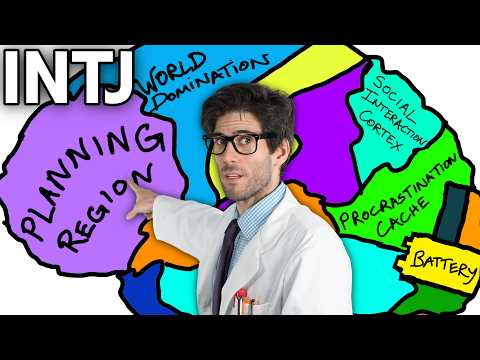
You ever notice how engineers have this unique vibe? Like, they seem to fit into specific «types,» right?
Some are all about numbers and logic, while others get super creative. Each type deals with the world in their own way, and that’s kinda cool. But you know what’s even more interesting? Their mental health needs can really vary based on those types.
Imagine an engineer who thrives on structure suddenly thrown into chaos. That can mess with their head! So, let’s chat a little about these personality types and how they cope with stress, anxiety, or burnout. It’s pretty eye-opening when you think about it!
Exploring the Personality Traits Commonly Found in Engineers: What You Need to Know
Engineers, you know, come with their own unique flavor of personality traits. It’s pretty fascinating to see how these characteristics can shape not just their work but also their mental health. Let’s dig into some of those common traits and what they might mean for mental well-being.
Analytical Thinking. Engineers are often super logical and detail-oriented. They love breaking down complex problems into manageable parts. This can be really useful in problem-solving at work, but it might lead to overthinking in personal situations. You ever find yourself stuck in your head when trying to make a decision? That’s the analytical mind at work.
Perfectionism. A lot of engineers strive for perfection—like seriously! They want everything to be just right, which is awesome in technical fields. But when it comes to personal expectations, it can get heavy. Imagine working all night on a project only to feel like it wasn’t good enough. That pressure can really mess with self-esteem and create anxiety.
Introversion. Many engineers lean towards being introverts, finding energy in solitude rather than social gatherings. While alone time can help recharge their batteries, too much isolation might lead to feelings of loneliness or depression. If you’re an engineer who loves your quiet space but feels disconnected from friends or family, that’s something to keep an eye on.
Resilience. On the flip side, engineers are generally pretty resilient. They deal with failure and setbacks regularly, learning from mistakes along the way. This adaptability is fantastic; however, if they become too accustomed to setbacks without processing emotions properly, it could lead to burnout.
Attention to Detail. Being detail-oriented helps engineers catch small errors that could lead to big problems later on—important stuff! Yet this trait sometimes makes them overly critical of themselves or others. A missed detail might turn into a major source of stress or frustration.
Creativity. Now here’s an interesting point: engineering isn’t all about math and science! Many engineers have a strong creative streak as well. They come up with innovative solutions that require thinking outside the box. But if creativity isn’t nurtured alongside analytical skills, it could lead to feelings of being stuck or unfulfilled.
So yeah, these traits are just part of what makes engineering such a cool and challenging field—but they also bring unique mental health needs into play. Engineers need support systems that acknowledge these tendencies without judgment.
It’s important for engineers—or anyone really—to recognize these traits in themselves and seek balance where needed. If you ever feel overwhelmed by expectations or struggles with isolation, talking about it—whether with peers or professionals—can make all the difference! Just remember: understanding yourself is the first step towards better mental health.
Exploring the Typical Personality Traits of Engineers: Understanding the Mindset Behind Innovation
Exploring the personality traits of engineers can be pretty eye-opening. You see, engineers often share a set of characteristics that shape how they think, work, and even how they handle stress and emotion. Let’s break it down.
Problem-solving skills are one of the standout traits. Engineers are trained to analyze issues and come up with solutions. It’s like having a built-in toolkit for tackling challenges—whether it’s designing a bridge or fixing a software bug. They might approach problems from different angles, which is super helpful in innovation.
Then there’s the attention to detail. This trait can sometimes feel like a double-edged sword. On one hand, being meticulous ensures that things work correctly; on the other hand, it can lead to perfectionism. Stresses can mount if an engineer feels like their work has to be absolutely flawless.
Another common trait is logical thinking. Engineers usually rely on facts and data rather than emotions when making decisions. While this helps in rational problem-solving, it may also make emotional expression tricky for some. Imagine trying to convey frustration about a project when you’re wired to keep things factual—it doesn’t always flow easily.
Engineers also tend to have a strong sense of curiosity. They want to know how things work and why—this drives innovation! But this curiosity can be overwhelming when faced with an ever-evolving field packed with technology changes; staying updated might lead to anxiety.
Yet another aspect is their independence. Many engineers pride themselves on being self-sufficient and resourceful. This independence is great for developing new ideas but might hinder collaboration at times or make them hesitant to ask for help.
While those traits paint a picture, it’s crucial to consider mental health too. Engineering can be high-pressure; deadlines loom and stakes are high! The stress that comes with these roles often takes its toll on mental well-being, leading some engineers toward burnout or anxiety disorders.
Remember Amy? She was an engineer who thrived on solving problems at her tech firm but felt suffocated by her own expectations for perfectionism. The pressure became too much until she finally sought therapy, where she learned ways to manage stress without compromising her standards—what a breakthrough!
So yeah, understanding these personality traits not only sheds light on how engineers think but also points toward their unique mental health needs. Knowing this stuff opens up avenues for better support systems within workplaces or communities focused on innovation and creativity in engineering fields!
Exploring the Link Between Personality Types and Mental Health Conditions: Insights and Implications
When you think about personality types, it’s like opening a window to understand how we all tick, right? And when it comes to mental health, this connection gets even more interesting. For instance, if you’re an engineer, your personality type can really shape your mental well-being and emotional needs.
So, what do we mean by personality types? Well, there are various frameworks to categorize them. The Myers-Briggs Type Indicator (MBTI) is one popular example. It classifies people into 16 different types based on their preferences in four areas: introversion vs. extroversion, sensing vs. intuition, thinking vs. feeling, and judging vs. perceiving. Each type has unique strengths and challenges that can influence mental health in different ways.
Now let’s think about engineers specifically. They tend to fall into certain personality categories—you know the ones that might be more analytical or detail-oriented? Often, these folks score high on traits like conscientiousness and low on neuroticism. But that doesn’t mean they’re immune to mental health issues!
- Stress Management: Engineers might deal with high levels of stress due to tight deadlines and complex problem-solving tasks.
- Social Isolation: Introverted engineers may struggle with feelings of loneliness or social anxiety since their work often requires intense focus.
- Perfectionism: This trait can lead to anxiety or depression when things don’t go as planned.
Take my friend Jake—a software engineer who’s brilliant at his job but really hard on himself. When deadlines loom, he dives deep into his work but often neglects social interactions. At times he feels overwhelmed and trapped in his own mind! Sound familiar?
This is where understanding the link between personality and mental health becomes crucial. If you know your tendencies—like whether you lean towards perfectionism or introversion—you can take steps to care for yourself better! For instance:
- Pursue Support: Consider talking therapies if you feel isolated or stressed.
- Mindfulness Practices: Yoga or meditation can assist in coping with perfectionism.
- Create Balance: Make time for downtime—maybe plan activities with friends on weekends!
The implications here are important—not just for individual engineers but also for workplaces aiming to foster healthier environments. By understanding different personality profiles, companies can create tailored support systems that address specific needs rather than a one-size-fits-all approach.
In essence, exploring how our unique personalities relate to our mental health isn’t just an academic exercise—it hones in on real-world applications that can lead us toward better well-being! So remember: your personality matters! And being aware of it could seriously change the way you handle stress or seek help when needed.
Okay, so let’s talk about engineers and their personality types—I mean, there’s a lot going on there. You might know this already, but engineers come in all kinds of flavors, right? There are the analytical ones who love crunching numbers and solving complex problems. Then you’ve got the creative thinkers who whip up innovative designs like it’s no big deal.
I remember a friend of mine, Alex. He was an electrical engineer with this incredible knack for detail. Seriously, he could spot a typo in a 200-page report faster than I could blink! But sometimes, that intense focus left him feeling a bit isolated. He’d joke about being “married to his work” while pulling late nights at the lab. It was funny but also kinda sad because you could tell he yearned for connection.
Different personality types can lead to different mental health needs too. The logical thinkers might struggle with interpersonal relationships, feeling drained after social events or uncertain about how to express their emotions. Meanwhile, more extroverted types might thrive on collaboration but could face anxiety if they have to tackle group projects in chaotic settings.
There’s this spectrum of traits that often plays into how they handle stress or communicate feelings—just like everyone else! Those super detail-oriented folks may be prone to anxiety or perfectionism because they want everything to be just right; on the flip side, someone with a more laid-back vibe might feel overwhelmed when deadlines loom over them.
So understanding these different personality types and their mental health needs is super crucial. It’s not just about managing workloads but also ensuring they have the support systems in place—friends or mentors who get what they’re going through. A little encouragement can go a long way!
And honestly? Just knowing that it’s okay to not always be «who you should be» can lift some pretty heavy weights off their shoulders. After all, engineers are people too—and we all need a little help navigating life sometimes!