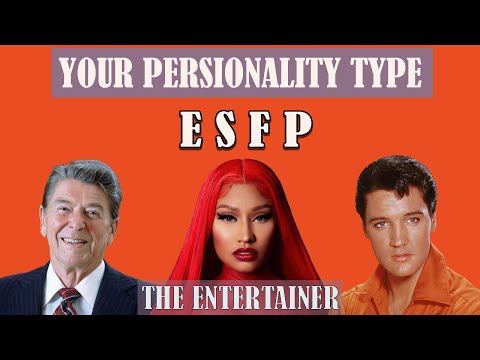
So, let’s talk about the Entertainer MBTI. You know, the ESFP types? They’re the life of the party! Seriously, these folks light up a room with their energy and charm.
But here’s the deal: while they seem all fun and games, there’s more beneath that bubbly exterior. Like, how does being an Entertainer affect their mental health?
Imagine you’re surrounded by friends at a gathering. Everyone’s laughing and enjoying themselves, but deep down, maybe you’re feeling a little… off. Yeah, that happens.
Let’s dig into how this fun-loving personality can influence emotional well-being—both positively and negatively. You in?
Exploring Personality Types: Which Traits Are Linked to Higher Mental Health Challenges?
When we talk about personality types, we’re diving into a pretty interesting area of psychology. Like, some traits can play a big role in your mental health, and one of those types is the Entertainer, also known as ESFP in the MBTI system. So let’s get into it.
Entertainers are spontaneous and energetic. They thrive on excitement and often live in the moment. You know, they’re the life of the party! But there’s more beneath that fun exterior. Sometimes these traits can lead to challenges with mental health.
One key thing about Entertainers is their high sensitivity to emotions. They feel deeply—both their own feelings and those of others. This can be a double-edged sword. On one hand, it makes them super empathetic, which is amazing for connection. But it also means they might struggle with anxiety or depression when overwhelmed by emotions or social pressures.
Another factor is their tendency towards impulsivity. Because they love spontaneity, they might dive headfirst into activities without thinking things through. This can lead to risky behaviors or decisions that backfire, causing stress or regret later on. Picture this: an Entertainer says yes to a last-minute trip but then faces financial strain afterward.
Social fatigue is another challenge for them. Even though they’re social butterflies, constantly being “on” can wear someone out—especially if they feel like they have to keep up a certain image all the time. It’s exhausting! So when they do need downtime to recharge, it might actually surprise them how much rest they require.
Sometimes Entertainers may have trouble with routine and stability. They enjoy variety so much that embracing consistent habits might feel stifling. This could affect their mental well-being because routine often provides grounding—something many people (not just Entertainers) need for anxiety management.
Finally, let’s not overlook how peer relationships impact mental health for Entertainers. They thrive on connection but risk feeling isolated if friendships fade or become complicated. Being left out can hit hard and lead to feelings of inadequacy or sadness.
To sum it up:
- Sensitivity to emotions makes them empathetic but vulnerable.
- Impulsivity leads to potentially risky choices.
- Social fatigue from constant interaction can drain energy.
- Trouble with routine can affect stability and grounding.
- Peeer relationships mattern, especially regarding feelings of inclusion.
Understanding these traits doesn’t just help you know yourself better; it lets you see how personality affects mental wellness too! If you’re an Entertainer feeling this way—or even someone close to an Entertainer—it’s good to recognize these potential challenges so you can seek strategies or support when needed. Remember: you’re not alone in this journey!
Exploring the MBTI Types Most Susceptible to Depression: Insights and Implications
The Myers-Briggs Type Indicator (MBTI) can give us some interesting insights into personality types and how they relate to mental health. As someone who’s been immersed in this topic a while, let’s dig into the **Entertainer** type, known as ESFP. They’re often seen as fun-loving, spontaneous, and the life of the party. But there’s more beneath that sparkle.
**So, why do Entertainers sometimes struggle with depression?** Well, ESFPs are incredibly attuned to their surroundings and often prioritize living in the moment. This can be a double-edged sword. When they’re feeling good, they radiate positivity. But when things turn sour—like during a tough life event—they might find it really hard to cope.
**Here are some key points on why this happens:**
Now think about this friend you have who’s always cracking jokes but seems off when you ask if they’re okay. The thing is, their smile might not reflect what’s going on inside them.
After all this fun and flair, Entertainers can fall into periods of isolation once the party ends—or when life gets too heavy to handle alone. This isolation can heighten feelings of loneliness or sadness, making it harder for them to reach out for help.
**Implications for Mental Health Support**
For someone like an ESFP facing these challenges, awareness is key. Understanding that their personality traits come with strengths and weaknesses gives them tools for better self-care.
Embracing who you are is crucial but so is acknowledging when you’re struggling—and that’s okay too! Understanding the MBTI framework helps us see how different personalities relate uniquely to mental health challenges.
In short, while entering the world of personalities helps us understand ourselves better—you know?, it also highlights that emotional work isn’t just for introverts or stereotypically “serious” types. It’s a journey everyone benefits from!
Exploring the Weaknesses of Entertainer Personalities: Understanding Their Challenges and Growth Opportunities
So, let’s chat about entertainer personalities, especially those with the **ENFP** or **ESFP** vibe from the Myers-Briggs Type Indicator (MBTI). You know, these folks are often seen as the life of the party. They’re bubbly, spontaneous, and have this natural charm that draws people in. But like everyone else, they’ve got their own set of challenges and weaknesses that can impact their mental health.
Living in the Moment
One big thing with entertainers is their love for the here and now. This can lead them to struggle with planning ahead. They might flit from one exciting activity to another without thinking about consequences. Imagine throwing a last-minute party but forgetting you have bills due—yikes! This carefree attitude can make it hard to find stability in life.
Fear of Conflict
Another challenge is that they often avoid conflict. Seriously, who wants drama? But this avoidance can lead to unresolved issues piling up like dirty laundry. When they don’t address things head-on, it can create tension within relationships. Picture a scenario where a friend unintentionally hurts an entertainer’s feelings—rather than speaking up, they might just smile and bottle it up. Over time, all that bottled-up emotion can morph into anxiety or sadness.
Sensitivity to Criticism
Now here’s something interesting: entertainers are super sensitive to feedback. While this sensitivity fuels their creativity—think of all those amazing performances—they also feel criticism deeply. When someone doesn’t vibe with their ideas or performance style, it can knock their confidence down a peg or two. Remember when you tried something new and someone said it wasn’t great? Ouch!
The Need for Validation
Speaking of confidence, many entertainers thrive on validation from others. They love being told they’re awesome—which is totally understandable! However, relying too much on external approval can lead to feeling lost when that validation isn’t there anymore. Picture an entertainer who stops receiving praise for what they do; without that external cheerleading squad around, they might start feeling like they don’t matter as much.
Difficulty Focusing
Focus is another tricky area for entertainers. With so many ideas swirling around in their heads, locking onto one thing at a time can be tough. Imagine starting twenty projects at once but finishing only half of them—it gets frustrating! This scattered approach can sometimes spiral into feelings of inadequacy when compared to more structured types.
Now don’t get me wrong—there are incredible growth opportunities here too! Engaging in therapy or support groups can help them sort through these feelings and develop healthier coping mechanisms.
To sum it up:
- Loving spontaneity sometimes means lacking planning skills.
- Avoiding conflict might seem peaceful but could lead to internal chaos.
- Sensitivity to feedback fosters creativity but also challenges self-worth.
- Needing validation is human but leaning too hard on it risks losing oneself.
- Difficulties focusing mean creativity thrives but action may stall.
By recognizing these aspects—and working through them—entertainers have the potential for growth while still embracing what makes them unique and vibrant individuals!
So, let’s chat about the Entertainer personality type in the MBTI—also known as ESFP, if you wanna get technical. The thing about Entertainers is that they’re all about living in the moment and having fun. They light up a room with their energy and creativity. It’s like they have this magnetic vibe that just pulls people in—a real talent, honestly.
Now, I once had a friend who was an ESFP. Let’s call her Jess. She could turn a boring Tuesday night into a party with just her laughter and spontaneous plans. But here’s the twist: while she seemed like a total ray of sunshine, there were moments when she struggled with deeper feelings. Sometimes, when she wasn’t in the spotlight or life got stressful—like when her job became overwhelming—she’d feel pretty down. That joy she radiated? Well, it sometimes came from wanting to mask those tougher emotions.
You see, Entertainers love connecting with others, but all that social energy can be exhausting too. It’s easy to forget that they have their own emotional needs beneath that cheerful exterior. When they’re busy making others smile, they might push their own feelings aside.
For someone with an Entertainer personality type, self-care becomes super important but not always easy to prioritize because hey, there’s always something fun happening! So if you’re an ESFP or know one, it might be good to remind them (or yourself) to take breaks and check in on those deeper emotions every once in a while.
In terms of mental health overall, being aware of how your personality influences your emotional landscape can be key. For example, understanding why you might feel drained after socializing or why you lean into spontaneity can help you find balance. You don’t have to be “on” all the time! Everyone has ups and downs; it’s just part of being human.
So yeah… being an Entertainer definitely has its perks and challenges around mental health. Just remember: it’s totally okay to step back from the spotlight sometimes!