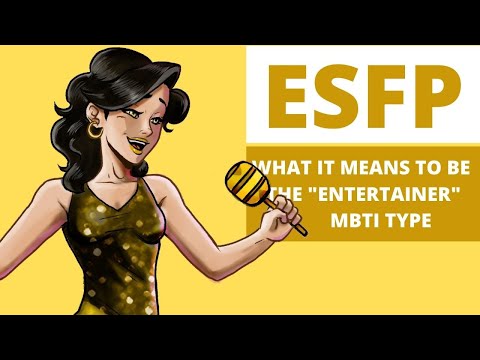
Hey there! Let’s chat about something super fun: the Entertainer personality type. You know, those folks who light up a room, make everyone laugh, and just seem to have endless energy.
Seriously, they’re the heart of every party. But here’s the kicker—their vivaciousness can come with some surprises when it comes to mental wellbeing.
Ever found yourself feeling overwhelmed behind all that bubbly charm? Yeah, it happens more than you might think. The thing is, while Entertainers bring joy to others, they often grapple with some not-so-happy feelings themselves.
So let’s dig into how this personality impacts their lives—and why understanding this can be a real game changer for anyone rocking that Entertainer vibe.
Understanding ESFP Weaknesses: Insights into the Challenges Faced by Energetic Personalities
If you’re familiar with the Myers-Briggs Type Indicator, you know that ESFPs, often called «The Entertainer,» are lively and full of energy. They’re the life of the party, and their enthusiasm can be contagious. But there’s more to these vibrant personalities than just high spirits. Like everyone else, they have some weaknesses that can impact their overall well-being.
Struggles with Routine
One major challenge for ESFPs is their aversion to routine. They thrive on spontaneity and excitement but can feel stifled by a structured lifestyle. Imagine being in a job where every day feels the same; it could drive an ESFP up the wall! This need for novelty means they might struggle to follow through on long-term goals or projects. Maintaining discipline can be tough when all they want is to live in the moment.
Emotional Sensitivity
Another weakness is emotional sensitivity. ESFPs tend to wear their hearts on their sleeves and feel things deeply—like, really deeply. While this passion adds color to their relationships, it can lead to burnout or feeling overwhelmed when faced with conflict or criticism. For instance, they might take things personally or retreat from situations that hurt their feelings rather than confronting them directly.
Difficulty with Long-Term Planning
Long-term planning? Not an ESFP’s forte! They often focus on immediate pleasures and experiences instead of pondering what’s ahead. This inclination can leave them unprepared for future challenges. Picture an ESFP jumping from one spontaneous adventure to another without considering how they’ll pay rent next month—it’s easy for them to get caught up in fun while neglecting obligations.
Tendency Toward Overcommitment
ESFPs are usually very social creatures who love being around people, which sounds great, right? Well, this love can lead them down a slippery slope of overcommitment. They agree to too many plans because they don’t want to miss out or disappoint anyone. It’s like saying “yes” every time someone invites them out; eventually, they’ll run themselves ragged juggling all those commitments.
Avoidance of Conflict
Additionally, conflict avoidance is a common issue for these personalities. Simply put, they dislike negative situations and confrontation so much that they’d rather sweep problems under the rug than deal with them head-on. This desire for harmony means they’ll often ignore issues in personal relationships until it all blows up later—which isn’t ideal!
In Need of Validation
Finally, there’s this need for external validation that many ESFPs wrestle with regularly. They thrive on feedback from others; compliments fill them up like gas in a car! When they don’t receive enough positive reinforcement, feelings of inadequacy may creep in… which really isn’t fair considering how much joy they bring others.
In summary, while being an ESFP has its perks—like creativity and charisma—it comes with vulnerabilities too! Addressing these weaknesses head-on doesn’t mean losing what makes them special; it just means learning how best to navigate life’s ups and downs while staying true to themselves!
Exploring the Impact of Personality Types on Mental and Physical Health
There’s something super interesting about how our personality types can shape not just the way we think but also how we feel physically and mentally. You know what I mean? Take the Entertainer personality type, for instance. These folks are all about enjoyment, excitement, and living in the moment. They bring a certain energy that can be infectious, which is awesome! But it also comes with its own set of challenges.
Understanding the Entertainer Personality Type
You might recognize Entertainers as those life-of-the-party types. They’re often spontaneous and love to engage with others. This personality type usually thrives on social interactions, drawing energy from being around people. But here’s where it gets tricky: while this can lead to a lot of joy, it can also stir up anxiety when they feel like they’re not getting enough attention or validation.
Mental Health Implications
Being an Entertainer is all fun and games until the pressure mounts up. With a strong desire to be liked and appreciated, these individuals may struggle with feelings of inadequacy if things don’t go perfectly well socially. It’s not uncommon for them to experience anxiety or stress when faced with moments of solitude or unpopularity.
You know that feeling when you bomb a presentation in front of your friends? Yeah, that hits hard for them because they thrive on approval. Plus, their playful nature can sometimes mask deeper issues like depression or low self-esteem.
Physical Health Connections
Mental health doesn’t live in isolation; whatever happens up there affects your body too! For Entertainers, high levels of stress can lead to physical symptoms like headaches or digestive issues. The thrill-seeking aspect means they might try adventurous activities without considering potential risks—which could lead to injuries!
Look at it this way: Imagine an Entertainer who decides to try bungee jumping on a whim but ends up injured because they didn’t weigh the risks properly. Their eagerness for excitement trumps caution most times.
Balancing Act
So how do you find that sweet spot as an Entertainer? It’s important for these individuals to carve out time for themselves amidst all the chaos. Regular check-ins about their feelings might help—like pausing after a social event to reflect on their emotions instead of rushing into another one.
Engaging in activities that promote mindfulness—like yoga or meditation—can make a world of difference too. These practices help ground them when everything feels overwhelming.
The Bottom Line
The impact of being an Entertainer isn’t all glitter and glam; it’s gotta be balanced with self-care and awareness of mental health needs too! You want fun and laughter but keeping an eye on emotional well-being is essential for overall health.
So yeah, embracing those joyful aspects while acknowledging vulnerabilities makes life richer—and healthier—for everybody involved!
Understanding ESFP Personality Types: Exploring Anger Issues and Emotional Management
Understanding ESFP Personality Types can be a bit of a rollercoaster, especially when it comes to how they handle emotions like anger. You know, the ESFPs are often called the «Entertainers.» They’re vivacious, spontaneous, and really love to enjoy life. But sometimes that fiery spirit can lead to challenges in emotional management.
So, what’s going on with ESFPs and their anger? Well, these folks feel things deeply. When they get upset, it’s not just a minor blip; it’s a whole event! Their emotion is intense because they experience life in vibrant colors. This passion is both a strength and a potential issue.
ESFPs tend to express their feelings outwardly. If something bugs them—like when a plan gets canceled or someone cramps their style—they’re likely to show it. This can come off as dramatic or impulsive which might catch people off guard. Imagine being at a party and suddenly hearing an ESFP voicing their displeasure loudly. It’s definitely hard to ignore!
But here’s the kicker: those moments of anger often stem from feeling overwhelmed or misunderstood. When they’re passionate about something but folks don’t get it? Oh boy! That can lead to frustration building up like steam in a pressure cooker.
- Self-awareness is crucial for ESFPs.
- If they recognize when they’re getting too heated, taking a step back can help.
- Taking deep breaths or counting to ten before reacting can be super beneficial.
Also, let’s not forget about how support from friends matters—a lot! An understanding buddy can help them process feelings without feeling judged. It’s like having that one friend who always knows when to crack a joke or when to just listen.
Anecdotally speaking, I once knew an ESFP who lost her cool during rehearsals for a big performance. The director kept changing the plans right before showtime! Everyone felt her frustration; it was palpable! But after some deep breaths and talking things out with friends afterward, she turned the energy around into something fun and creative.
Coping strategies? They exist! Here are some ideas tailored for these lively individuals:
- Create Space: Setting aside «me time» can let them recharge and think.
- Channeling Creativity: Whether it’s dance, art, or writing—expressing feelings creatively helps!
- Open Communication: Talking openly with loved ones about what triggers their anger resolves misunderstandings quickly.
The thing is: emotional management isn’t just about avoiding anger; it’s about embracing all those feelings authentically. When an ESFP learns how to navigate these waters better—watch out! They’ll become even more engaging and inspiring without letting emotions swing too wildly.
If you’re an ESFP or care about one, remember—it’s okay to feel passionately angry sometimes. What matters is knowing how to deal with those emotions productively instead of letting them take over. After all, being true to who you are includes understanding your emotional landscape too!
So, let’s chat about the Entertainer personality type. You know, those folks who light up a room the minute they walk in? They’re outgoing, fun, and often the life of the party. But what happens behind that bubbly facade?
I once had a friend, let’s call her Jenna. Jenna was one of those Entertainers—always cracking jokes or pulling off some wild dance moves at gatherings. Everyone loved being around her. But one night, after a party, she confided that sometimes she felt exhausted by her own need to perform. It’s like this pressure to always be “on.” Even during tough days when she just wanted to curl up with some ice cream and his favorite movie.
The thing is, while being entertaining brings joy to others and can feel rewarding in the moment, it can also lead to burnout if those Entertainers aren’t careful. There’s this constant juggling act between showing off their vibrant side and dealing with their own emotions quietly in the background. And maybe you’ve noticed that too—in friends or even in yourself.
People with this personality type often find joy in spontaneity and living life to the fullest, which is amazing! But sometimes they struggle with deeper feelings like anxiety or sadness because they feel like they have to keep up this peppy image all the time. It’s tough! So yeah, it’s super important for them—or anyone really—to carve out time for self-care and genuine connections where they don’t feel pressured to entertain.
And here’s another thing: Entertainers are usually pretty social creatures, thriving on interaction with others. That can boost their sense of wellness as long as it doesn’t tip into overdrive. Finding that balance—between being social and knowing when to take a step back—is key for maintaining their overall mental health.
So if you’re an Entertainer or know someone who is—just remember it’s not only okay but necessary to embrace those quieter moments too. Being real about your feelings matters just as much as spreading laughter and cheer!