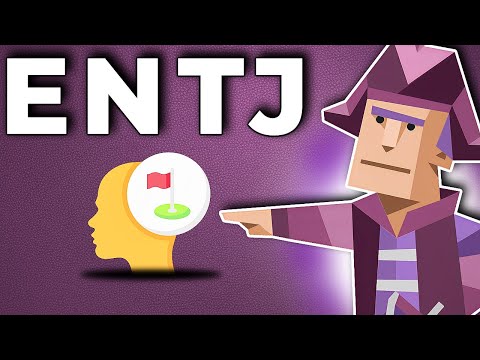
So, let me throw this out there: you ever wonder how your personality shapes your mental health? It’s kind of wild to think about, right?
Take the ENTJ type, for example. You know, the bold leaders who just seem to have their lives together? Well, maybe not always.
They can face some unique mental health hurdles. Seriously, it’s a rollercoaster ride.
Like, sometimes their drive and ambition can lead to stress and burnout. Or maybe they struggle with feeling misunderstood.
Curious yet? Let’s dig into how being an ENTJ really plays into the mental health game.
Exploring the Emotional Intelligence of ENTJs: Myths and Realities
Okay, so let’s chat about ENTJs and emotional intelligence, right? You might’ve heard some stuff out there about them that’s not exactly spot on. So, what’s the deal?
ENTJ—that’s one of those sixteen personality types from the Myers-Briggs Type Indicator. These folks are often viewed as natural leaders. Strong, decisive, and goal-oriented. But when it comes to emotional intelligence (EI), the picture is a bit more complicated.
- Myth: ENTJs Lack Empathy
- Reality: Emotional Awareness is Different
- Myth: All ENTJs Are Cold Leaders
- Reality: Communication Style Matters
- Myth: They’re Just Workaholics
A common stereotype is that ENTJs don’t get feelings—like they’re robots or something. Sure, they can be super focused on tasks and results. But that doesn’t mean they can’t feel or understand emotions! They often just prioritize logic over feelings in decision-making.
The thing is, while ENTJs may struggle with recognizing their own emotions or those of others sometimes, they can still develop EI like anyone else. It’s all about awareness and practice. An ENTJ who works on this can become quite empathetic!
You might picture an ENTJ as a strict boss who only cares about getting things done. Well, yeah, some might come off that way! But many also recognize the importance of **team morale** and effective communication.
Their direct communication style can be misinterpreted as harshness or insensitivity; however, it often comes from a desire for efficiency and clarity rather than malice. Once they learn to soften their approach a bit—maybe check in with team members—they can really shine.
A lot of people think ENTJs are obsessed with work and nothing else. While they are driven and ambitious (no doubt), many also value connections with others deeply when they’re in environments that support them emotionally.
- Reality: Balance Is Key
- The Learning Curve
Cultivating emotional intelligence means understanding how to balance work and personal life. Some ENTJs develop strong relationships while juggling their ambitions; it just takes effort!
If you’re an ENTJ reading this, know that building your EI can feel like climbing a mountain sometimes! Just little steps each day—like practicing active listening—can seriously help boost those skills.
In wrapped up terms, while myths do float around about the emotional capabilities of ENTJs, there’s plenty of room for growth in emotional intelligence for anyone willing to work at it! All it really takes is time and effort to break through those stereotypes!
Understanding the ENTJ Brain Type: Key Traits and Impacts on Mental Health
The ENTJ personality type, you know, is one of those fascinating ones out there in the world of psychology. It’s part of the Myers-Briggs Type Indicator (MBTI), which tries to help us understand how people think and behave. If you’re an ENTJ—or know someone who is—you might spot some clear traits that come with this brain type.
Key Traits of ENTJs
First off, ENTJs are known for their leadership qualities. They’re often seen as commanding and decisive. You know how some people just seem to naturally take charge? That’s pretty much an ENTJ for you. They really enjoy organizing and strategizing, whether it’s at work or in social settings.
Another thing about them is their strong focus on efficiency. Seriously, they can’t stand wasting time. If a process isn’t working, they’ll fix it—fast. This means they’re not just dreamers; they actually put plans into action. It can be inspiring, but sometimes overwhelming for others around them.
They also tend to be quite rational and logical in their decision-making. Emotions? Well, let’s say they’re not always front and center for ENTJs. Instead, they prioritize facts and objective analysis over feelings when facing challenges. You might find them saying things like “Let’s stick to the facts” during discussions.
Impacts on Mental Health
Now, let’s talk about mental health a bit—and yeah, this part’s important. Because of their intense drive and focus on success, ENTJs may face unique challenges when it comes to mental well-being.
For one thing, their high expectations can lead to significant stress levels. Imagine pushing yourself relentlessly—it can definitely take a toll on your mental health over time.
Then there’s the issue of emotional expression. Since ENTJs often rely more on logic than feelings, they might struggle with vulnerability or admitting when they’re feeling down. That could make it hard to connect with others or seek help when needed.
Finally, sometimes they overlook self-care because they’re so focused on achieving their next goal.
It’s vital for ENTJs to remember that taking breaks isn’t just okay; it’s necessary.
Coping Strategies
So what can help? Well, incorporating regular self-reflection could go a long way! Just sitting down and checking in with yourself emotionally—like asking “How am I really doing?”—can be beneficial.
And let’s not forget about building emotional connections! Making space for vulnerable conversations with close friends or family members could help balance that logical side out a bit.
In short, understanding this personality type provides valuable insights into how someone thinks and interacts with the world—but also sheds light on potential struggles regarding mental health. So if you’re navigating life as an ENTJ or have one in your circle, being mindful of these traits is super important!
Understanding ENTJ Stress Responses: Behavior Patterns and Coping Strategies
Alright, let’s dig into the world of ENTJs and how they handle stress. If you’re not familiar, ENTJs are one of the 16 personality types in the Myers-Briggs Type Indicator (MBTI). They’re known for being organized, confident, and natural leaders. But the catch? When stress hits, these traits can sometimes spiral into less-than-great behavior patterns.
So what do we mean by stress responses? Well, when an ENTJ gets overwhelmed—like during high-pressure situations—they may react by becoming more controlling or insisting their ideas are the only way forward. You know the type: “My way or the highway!” This kind of behavior can shut down collaboration and lead to tension with others.
When this happens, it’s not just them being bossy. It’s a sign they might be feeling threatened or out of control. For instance, I remember my friend Sam—a classic ENTJ—who faced a huge project deadline at work. As stress piled on, he started demanding perfection from his team members. They felt stifled instead of motivated; it was tough to watch.
Another common reaction is withdrawal. Yup, sometimes ENTJs might just retreat into their shells when things get tough. They might start to second-guess their decisions or feel inadequate. Instead of charging ahead with confidence, they could find themselves paralyzed by doubt.
Coping strategies are essential for ENTJs to navigate these tricky waters more smoothly. Here are some that can really help:
- Pacing themselves: Learning to take breaks is crucial for avoiding burnout.
- Seeking feedback: Opening up to trusted peers can provide new perspectives and reassurance.
- Meditation or mindfulness: These techniques can help ground them during turbulent times.
- Pursuing hobbies: Engaging in creative outlets can relieve built-up stress and bring joy back into their lives.
You see? Stress doesn’t have to send an ENTJ spiraling. By consciously adopting healthier coping mechanisms, they can maintain their leadership qualities without sacrificing their mental health.
If you know an ENTJ who seems stressed out often, gently remind them that it’s okay to lean on others or take a step back occasionally; it’s not a weakness but more like a smart move! Because at the end of the day, everyone benefits when they’re managing stress better —them included!
So, let’s talk about ENTJs for a sec. You know, those bold, ambitious types with the big plans and a knack for leadership? They’re like the natural-born CEOs of the personality world. But what does that mean for mental health? Well, it’s interesting, really.
ENTJs tend to be super organized and goal-oriented. They thrive on efficiency and love to tackle challenges head-on. But here’s where it gets tricky: their drive can sometimes come off as a bit too intense or cold. Like, I once had a friend who was an ENTJ. She was brilliant and had this insane ability to juggle multiple projects at once—seriously impressive stuff—but she sometimes struggled with empathy. It was hard for her to understand when people just needed a shoulder to cry on instead of a plan.
In terms of mental health insights, ENTJs often see things in black and white. For them, problems need solving—fast! That can be great when you need someone to push you towards action but not so great if you’re looking for emotional support or validation. Sometimes they can miss the nuances of feelings in favor of rational solutions, which means they might overlook the emotional part of mental health.
That said, when an ENTJ is aware of this tendency, they can actually bring some pretty valuable insights into mental health discussions. Their logical approach can help create effective strategies for dealing with stress or anxiety—like breaking down overwhelming thoughts into manageable steps. It’s amazing how they can turn feelings into tasks that feel doable.
But balancing that logic with emotional understanding is key. If an ENTJ learns how to tune in more closely to their own emotions—and others’ too—they could enhance their relationships significantly while also strengthening their own mental well-being.
So yeah, while being an ENTJ comes with its challenges in the realm of emotional support, there’s also this huge potential for growth and insight if they’re willing to embrace both sides: the analytical and the empathetic. It’s all about finding that sweet spot between action and understanding—a journey worth taking!