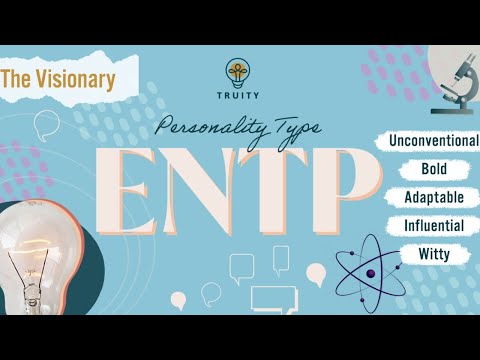
Alright, so let’s talk about the ENTP personality type. You know, those charming, witty folks who are always buzzing with ideas? Seriously, they’re like walking brainstorming sessions!
But here’s the thing: being an ENTP isn’t all sunshine and rainbows. There’s a lot going on under that playful surface. Sometimes, their brilliance can turn into a bit of chaos—especially when it comes to mental health.
Ever met someone who’s super passionate one minute and then completely overwhelmed the next? Yup, that’s our ENTP friends for ya! It can be a wild ride for them.
So, stick around! We’re diving into how these vibrant personalities navigate life and what they need to stay balanced and thriving.
Exploring the Link Between Personality Types and Mental Health Issues
The connection between personality types and mental health is a fascinating topic. So, let’s zero in on the ENTP personality type—those charming, witty, and often unconventional thinkers. They’re known for their quick minds and ability to come up with creative solutions. But how does all that energy play out in terms of mental health?
ENTPs are typically enthusiastic and curious. They love exploring new ideas, which can lead them to incredible opportunities. However, this constant need for novelty can also create stress or anxiety when faced with routine or constraints. Imagine someone who thrives on brainstorming and switching gears but feels trapped when things get too monotonous. Yeah, that’s a pretty heavy burden to carry.
When you look at mental health challenges, ENTPs might struggle with certain issues more than others. For instance, anxiety disorders can rear their heads quite frequently. Because ENTPs are always searching for the next big idea, they may become overwhelmed by their thoughts—a bit like being on a rollercoaster without seatbelts! This whirlwind can make it hard to relax or feel grounded.
Also, depression isn’t off the table either. Sometimes the very traits that make them energetic can flip around into self-doubt or feelings of inadequacy if they perceive their ideas aren’t landing as hoped. Have you ever felt like you’re full of potential but everything you try just doesn’t click? That feeling can be deeply discouraging.
Another part of this equation is how ENTPs handle relationships. They tend to be great at connecting with people because they’re naturally engaging and empathetic—but there’s a flip side! Their need for intellectual stimulation means they might lose interest if conversations become too serious or emotionally charged. How many times have you seen someone walk away from an emotional discussion? That can leave others feeling hurt or unimportant.
Now let’s not forget about coping strategies! ENTPs usually thrive when they have outlets for their creativity and intellect. Engaging in activities where they can brainstorm ideas or debate concepts helps keep their minds fresh. So whether it’s joining a lively discussion group or diving deep into a new hobby—finding that release is essential!
In terms of therapy, cognitive-behavioral therapy (CBT) often works well for ENTPs since it encourages them to challenge negative thoughts while providing structured strategies to cope with anxiety and depression. The interactive nature of CBT might match up nicely with their quick-thinking approach—you know?
So basically, understanding how the ENTP personality type relates to mental health issues offers insight into managing well-being more effectively. It emphasizes embracing strengths while recognizing areas that might need extra care—because everyone deserves support in navigating life’s complexities!
Understanding ENTP Challenges: Insights into the Struggles of ENTP Personality Types
Sure! Let’s chat about the ENTP personality type and some of the challenges they face. ENTPs are often called the “Debaters” because, well, they love to explore ideas and discuss different perspectives. But this strength can come with its own set of hurdles. Here’s a closer look.
Constant Need for Stimulation
One big challenge for ENTPs is their insatiable appetite for new ideas and experiences. They thrive on mental stimulation, which means if things get too mundane, they might lose interest fast. It’s like being in a constant quest for that next big thought or concept. This often leads them to jump from project to project without really finishing anything. That can be super frustrating, both for themselves and those around them.
Difficulty with Routine
Routine? Not really an ENTP’s thing! They can view routines as boring straight jackets that confine their creativity. This aversion can lead to issues when it comes to job satisfaction or maintaining relationships, where some level of consistency is often necessary. Imagine trying to maintain a workout routine when you’d much prefer brainstorming innovative ideas instead—yeah, it gets tricky.
Struggles with Emotions
Now, here’s another layer: ENTPs aren’t always the best at dealing with emotions—especially their own. They tend to rely on logic over feelings, which makes emotional situations quite hard for them. So, if someone close is feeling down and looking for empathy? An ENTP might just wanna jump into solving problems rather than connecting emotionally first. Oops!
Fear of Commitment
ENTPs also often wrestle with commitment issues—be it in relationships or projects. Their love for exploring all options can make settling down feel like closing the door on possible adventures. It’s like standing at a crossroads with way too many paths leading off in different directions; making that choice can leave them paralyzed sometimes.
Social Dynamics
Although they’re typically outgoing and charismatic, social situations can still be challenging. They might accidentally overwhelm people with their barrage of ideas or debates; not everyone wants to engage in intense discussions! And this sometimes pushes people away instead of drawing them closer.
Pushing Boundaries
In addition, ENTPs have a natural tendency to push boundaries—they’re just curious by nature! But this behavior can provoke discomfort in others or even create conflict in group settings, particularly if they challenge norms too aggressively.
So yeah, being an ENTP has its perks but definitely comes with its fair share of struggles too! It’s all about finding balance—an enriching journey filled with ups and downs as you navigate through life while staying true to your vibrant personality.
Understanding the ENTP Personality Type: Key Traits and Insights in Psychology
The ENTP personality type, often dubbed the «Debater,» is one of the 16 personality types in the Myers-Briggs Type Indicator (MBTI). ENTPs are known for their quick wit and innovative thinking. They love engaging in debate and discussing ideas, which can make them incredibly interesting people to be around.
Key Traits
One of the standout traits of an ENTP is their natural curiosity. They have this insatiable need to explore new concepts and challenge existing ones. You might find them diving deep into a topic just to see how far they can push it. This trait often leads them to be great problem solvers because they think outside the box.
Another important aspect is that they’re typically very adaptable. If you throw something unexpected at them, instead of panicking like some folks do, they’ll likely jump in with enthusiasm. This flexibility not only helps them navigate life’s ups and downs but also adds a layer of excitement to their lives.
However, being an ENTP isn’t always sunshine and rainbows. Sometimes, their desire to debate can come off as argumentative or even insensitive. Imagine being in a conversation where someone just keeps poking holes in your ideas without offering any support—that’s how it can feel for others when an ENTP gets too into their “debate mode.”
Social Interactions
In social settings, ENTPs thrive on interaction. They enjoy exchanging ideas with others and can often be seen as charming and engaging—bringing humor into even serious discussions. Their friends might describe them as fun but also a bit unpredictable at times.
But there’s a flip side to this energy; if you’re close to an ENTP, you might catch yourself feeling like your opinion doesn’t matter if it’s different from theirs. They like debating so much that sometimes listening takes a backseat.
Mental Health Considerations
Understanding how these traits affect mental health is crucial for both ENTPs and those around them. On one hand, their creativity can lead them to find unique solutions for mental health challenges—they often think differently about issues! On the other hand, if they don’t have people who provide emotional support or a safe space for vulnerability, they could end up feeling isolated.
Some ENTPs might struggle with routines because they’re constantly seeking novelty. This restlessness can lead to challenges with anxiety or even burnout if they’re not careful about balancing their need for stimulation with self-care practices.
Think of it like this: an ENTP gets super excited about starting new projects but might not finish them if they lose interest—or maybe they juggle too many at once! Establishing some grounding habits could help keep anxiety at bay while maintaining that lovely spark of creativity.
Final Thoughts
So here’s the thing: understanding the ENTP personality type isn’t just about recognizing their strengths; it’s also about appreciating what makes life challenging for them too. Whether you’re an ENTP yourself or you know one, fostering open communication can truly make a difference in promoting mental well-being while still honoring that vibrant zest for life they bring into every conversation!
Alright, so let’s chat a bit about ENTPs. If you’re not familiar, ENTP stands for Extraverted, Intuitive, Thinking, Perceiving. Basically, these folks are often seen as the «debater» types in personality frameworks. They’re curious and love to explore ideas, which can be a huge asset when it comes to mental health and overall wellbeing.
Now think about it: imagine someone always looking for new angles on things, trying to understand how people tick. That’s an ENTP for you! Their brains are like playgrounds full of bouncing ideas and questions. But here’s the thing—while that can lead to amazing insights, it can also create some emotional whirlwinds.
You know how one day you might feel fired up about a project and the next day it’s just not vibing anymore? For an ENTP, that fluctuation can feel pretty intense. I once knew an ENTP who was super passionate about starting a podcast but dropped it after two weeks because they got bored with the topic. They were so excited at first! But once the novelty wore off—poof! It left them feeling kinda lost and questioning their interests.
This rollercoaster of excitement and boredom can affect their mental health if they’re not careful. They might struggle with commitment or even self-doubt when they can’t stick with something long enough to see results. And honestly? That can get frustrating when your brain races ahead while your heart is still trying to catch up.
But the cool thing is that these personalities are usually really good at problem-solving. ENTPs thrive on change and new experiences, which means they often find creative ways to deal with stress or anxiety—even if it looks like chaos from the outside! Maybe they’ll dive into a new hobby or engage in deep conversations that challenge their thinking.
But self-care isn’t always instinctive for them; they might forget to pause and check in with themselves amid all this whirlwind energy. So encouraging them to take breaks or reflect on their feelings is essential. And hey, sometimes just talking through what’s going on in their heads helps clear out the clutter.
So if you’re an ENTP or know one, remember: it’s okay not to have everything figured out all at once! Embrace those changes and use that unique perspective as a tool rather than letting it weigh you down. It’s all about finding balance while enjoying this wild ride of life!