You know, epilepsy and schizophrenia don’t usually get talked about together. But here’s the thing: they can actually be linked in some pretty interesting ways.
Imagine juggling two different yet heavy burdens. That’s what it can feel like for people dealing with both conditions. It’s not just about seizures or voices in your head; it’s way more complex than that.
So, let’s chat about how these two play into each other from a psychological angle. You might be surprised at what you learn!
Exploring the Link Between Schizophrenia and Epilepsy: Understanding the Connection
So, let’s chat about the relationship between schizophrenia and epilepsy. It might seem like they’re totally different worlds, but they actually share some common ground in terms of symptoms, brain function, and how they affect people’s lives.
First off, both conditions come from what we might call “brain misfires.” Schizophrenia is often about misinterpretations of reality—like hearing voices that aren’t there or having delusions. On the flip side, epilepsy is characterized by seizures caused by abnormal electrical activity in the brain. Sometimes, it’s not just the seizures that are troublesome but also how they affect someone’s thinking and mood.
There are a couple of ways these two can connect. Research suggests that people with epilepsy have a higher risk of developing schizophrenia. The numbers can vary, but some studies suggest that up to 5% or even more of folks with epilepsy may go on to develop schizophrenia. I know, it sounds a bit alarming!
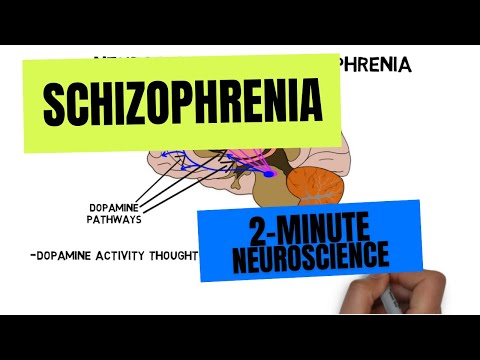
One reason for this link could be factors like neurotransmitter imbalances. Basically, neurotransmitters are chemicals in your brain that help transmit signals between nerve cells. In both disorders, certain neurotransmitters—like dopamine—might be out of whack. If dopamine levels get too high or too low, it can lead you down a path toward psychotic symptoms for those with schizophrenia.
Also important is the fact that both conditions can lead to similar cognitive issues. People might struggle with memory or attention in both cases; it’s just that one person might have seizures while another has hallucinations. I remember talking to someone who had both disorders—she described battling confusion when her brain was “firing off” during a seizure and then experiencing paranoia afterward. It wasn’t just one thing; it was all tangled up together.
Medication plays a role here too. Some medications used to treat epilepsy can actually worsen psychiatric symptoms like those found in schizophrenia. And vice versa: antipsychotics used for schizophrenia may lower seizure thresholds for those who already have epilepsy. So managing both at the same time can feel like walking on a tightrope.
You might also want to consider how stress affects these conditions. Stress has been shown to trigger seizures in some individuals with epilepsy while potentially worsening psychosis in someone with schizophrenia. This creates a feedback loop where stress exacerbates symptoms from either disorder.
It’s important for anyone facing this situation to work closely with healthcare providers who understand these complexities because treatment needs to be tailored uniquely for each person’s experience.
To wrap things up: while schizophrenia and epilepsy may seem different at first glance, their shared neurobiological underpinnings create an interesting link worth exploring further! Each person’s experience will differ greatly—sometimes combining insights from mental health pros and neurologists makes all the difference on this journey through complex terrain!
Understanding Schizophrenia: Insights from a Psychological Perspective
Understanding schizophrenia can feel like wandering through a foggy forest. You know something is there, but it’s hard to see the path clearly. This mental health condition affects how you think, feel, and behave, sometimes leading to experiences that are really intense and confusing.
So, what exactly is schizophrenia? Basically, it’s a chronic brain disorder that can make it tough for you to tell what’s real and what isn’t. People with this condition might experience hallucinations, which are like seeing or hearing things that aren’t there. And then there are delusions, where someone believes things that are completely untrue—for example, thinking they’re being chased by government agents.
You might wonder how common this is. Well, around 1% of the population will experience schizophrenia at some point in their lives. That’s not super high, but when you think about it in terms of friends or family, it really does hit home.
It’s crucial to note that schizophrenia isn’t the same as having a split personality or being violent. Many people live fulfilling lives with the right support and treatment. It’s more about managing symptoms and finding ways to cope with daily challenges.
- Symptoms: They can vary widely! Some people have positive symptoms—these add things that most folks don’t experience regularly, like hallucinations or delusions. Others face negative symptoms which can zap away the ability to enjoy life—like becoming socially withdrawn or feeling emotionally flat.
- Cognitive symptoms: These affect memory and thinking skills. You might find it hard to focus on tasks or remember simple things.
- Affective symptoms: These refer to changes in mood—like feeling really down or irritable without clear reasons.
Now here’s another layer: people with epilepsy sometimes also deal with schizophrenia. The connection between these two conditions isn’t completely understood yet, but researchers think they might share some underlying factors in how our brains work—like disruptions in neurotransmitters (the chemicals that help brain cells talk). It’s kind of like trying to tune two radios at once; both need clear signals because if one goes haywire, it messes up the other too.
Treatment for schizophrenia often includes a mix of medication and therapy. Medication can help manage serious symptoms while therapy aims at improving daily living skills and coping strategies. Imagine having someone help you navigate through all those dense trees instead of stumbling around blindly!
You know someone close to me has dealt with schizophrenia for years now. Watching them struggle was heartbreaking; some days felt overwhelming just knowing they were trapped in their thoughts while trying to connect with reality again. But through therapy and support from family and friends, they found ways not just to cope but also thrive despite everything life throws their way.
The thing is, understanding schizophrenia takes patience—from yourself as well as from others around you. It often feels like peeling an onion: layer by layer until you reach that core understanding of who someone really is beyond their diagnosis.
You probably realize by now that mental health isn’t something we can just brush off—it needs attention, empathy, and ongoing conversations if we want changes for ourselves and others facing these challenges!
Understanding the Connection: Is Epilepsy a Psychological Disorder?
When talking about epilepsy, it’s easy to get confused about where it fits in the world of mental health. Epilepsy is primarily a neurological disorder. It’s that thing where your brain sometimes misfires and causes seizures. But you might wonder, can epilepsy connect to psychological issues like schizophrenia? Spoiler alert: The answer isn’t straightforward.
First off, let’s break down what epilepsy really is. Basically, it occurs when there’s an abnormal electrical activity in the brain. Seizures can vary widely. Some folks might just stare blankly into space for a while, while others may convulse or lose consciousness. It’s scary stuff for both the person experiencing it and their loved ones.
Now, here’s where things get tricky—the psychological angle. Some studies suggest that people with epilepsy have a higher chance of developing psychiatric conditions like depression or anxiety. Imagine feeling like you can’t control your body; yeah, that could mess with anyone’s head.
- Epilepsy and Anxiety: Many people with epilepsy report feeling anxious about having seizures in public or managing their condition overall. That fear can sometimes spiral into panic attacks or ongoing anxiety disorders.
- Epilepsy and Depression: Dealing with chronic health issues often leads to feelings of hopelessness or sadness. If you had seizures interrupting your life regularly, it’s natural to feel down sometimes.
- Cognitive Impairments: Long-term epilepsy can affect memory and concentration too. Imagine trying to focus on work or school when your brain isn’t firing on all cylinders—frustrating, right?
The connection between epilepsy and serious mental disorders like schizophrenia is still being studied. Schizophrenia is distinct and involves symptoms like hallucinations or delusions that are pretty different from what someone with epilepsy might experience after a seizure.
However, there are cases where these disorders could overlap for some folks but remember—just because someone has one doesn’t mean they’ll have the other. It’s kind of a mixed bag depending on personal history, environment, and even genetics.
A key takeaway? While epilepsy itself isn’t classified as a psychological disorder, it undeniably influences mental health significantly due to its unpredictability and impact on daily life.
If you suspect someone you know has both conditions—or if you’re dealing with this yourself—it’s essential to reach out for help! Finding proper treatment from both neurologists and mental health professionals can make all the difference in navigating these challenges together.
So, let’s chat about epilepsy and schizophrenia. You might think they’re worlds apart, right? One’s all about those sudden seizures and the other is this complicated mental health condition. But hang on, there’s more to it than meets the eye.
I remember a friend of mine, let’s call him Jake. He had epilepsy since he was young. He’d have these grand mal seizures, which were just terrifying to watch. And what stuck with me was how his experiences shaped his world view—like he often felt like he was on the outside looking in, even during conversations. That sense of disconnect sometimes leads people toward anxiety or even depression.
Now, here’s where it gets tricky: people with epilepsy can also have a higher risk of developing psychiatric disorders, including schizophrenia. It’s not super common, but it’s definitely something that happens more than you might think. The brain is this intricate web of connections—when one part goes a bit haywire due to seizures (think electrical storms in your head), it can throw other areas out of balance too.
Schizophrenia itself brings its own set of challenges: hallucinations, delusions… all that heavy stuff that can make daily life pretty tough. Research suggests that the pathways involved in both conditions can overlap somehow. Like your brain trying to manage perception and reality but getting confused along the way.
What really gets me is how important it is for folks dealing with one or both conditions to get support tailored just for them. Therapy plays a huge role here—cognitive behavioral therapy (CBT) can help reframe negative thoughts while other approaches might focus on managing stress around seizures or symptoms of schizophrenia.
Honestly though? It always comes down to understanding each individual—like how Jake needed specific coping strategies for his epilepsy while also navigating life with this lingering fear of losing control during a seizure or being misunderstood because of mental health struggles.
Life doesn’t come with a manual, right? So if you or someone you know is juggling these kinds of issues, having conversations about what they’re feeling—and listening closely—is huge. It’s about finding ways to foster connection despite those rough patches life throws at ya.