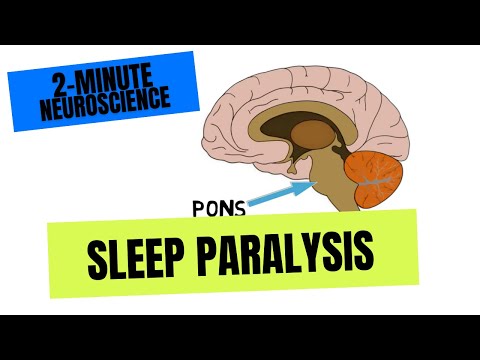
Hey, you ever had that moment when you wake up and can’t move? Just lying there, eyes wide open, feeling like a truck just hit you? Yeah, that’s sleep paralysis.
It’s super common but also really freaky. You might see things or feel like someone’s in the room with you. Not exactly your idea of a good night’s sleep, right?
What a lot of people don’t realize is the emotional stuff that comes with it. It’s more than just a weird episode; it can really mess with your head.
So let’s chat about what goes down during these moments and why they can be so intense. Seriously, it’s pretty wild once you dig into it!
Understanding Sleep Paralysis: The Psychological Factors Behind This Frightening Experience
Sleep paralysis can be super scary, right? You wake up, can’t move, and feel this intense presence in the room. It’s like your mind is awake but your body is still dreaming. Seriously, no one wants to experience that! Let’s dig into what causes this freaky phenomenon and why it might be happening to you.
First, sleep paralysis tends to happen during transitions between sleep stages. When you go from deep sleep to waking up, sometimes your brain wakes up before your body does. This disconnect can cause you to feel trapped in your own body. Yikes!
Stress and anxiety play huge roles in this whole situation. If you’re dealing with a lot of pressure or feeling anxious about something—like work or relationships—your sleep can be affected. You might find that sleep paralysis episodes increase during tough times in your life.
Also, let’s talk about sleep deprivation. If you’re not getting enough Zs because you’re staying up too late or simply have a hectic schedule, you might be more prone to these episodes. Your body needs rest to function properly—and if it doesn’t get it? Well, that’s when things get messy.
Sometimes it’s also linked with sleep disorders, like narcolepsy or insomnia. If these are part of your life already, then unfortunately, sleep paralysis could tag along as an uninvited guest.
Another factor is how you position yourself while sleeping. People who sleep on their backs tend to report more instances of sleep paralysis than those who don’t. It’s kind of wild how something so simple can make a difference!
And guess what? Sleep paralysis has been around for ages and even shows up in different cultures as folklore or terrifying tales! Ever heard of the old hag syndrome? It’s where people believed a witch was sitting on their chest—no joke!
Now here’s something interesting: when people experience sleep paralysis, they often report feelings of fear and terror—not just because they can’t move but also because they might see things that aren’t really there! Talk about adding fuel to the fire!
In short, understanding what triggers sleep paralysis can help lessen its grip on you. Stress management techniques like mindfulness or relaxation exercises might really help out here too! Getting into a good sleep routine and making sure you’re well-rested can go a long way.
So if you’ve experienced this unsettling phenomenon before—it’s more common than you’d think—don’t hesitate to reach out for help if it becomes too frequent or frightening. You’re definitely not alone in this journey!
Overcoming Sleep Paralysis: Proven Techniques to Break Free from Episodes
When it comes to sleep paralysis, it can feel like your body has hit the pause button while your mind is wide awake. It’s this bizarre experience where you can’t move or speak as you’re waking up or falling asleep. Seriously, it can be terrifying! Just imagine being aware of everything around you, but your body just won’t respond. Yikes!
Here’s the thing: while sleep paralysis often gets brushed off as a spooky story, it’s rooted in real psychological struggles. People who go through it might be dealing with stress, anxiety, or even sleep deprivation. So if you find yourself stuck in that position, just know you’re not alone.
Now let’s get into some ways to tackle these episodes. Here are a few techniques that might help:
- Improve Sleep Hygiene: Keep a regular sleep schedule. Go to bed and wake up at the same time every day. Avoid screens before sleeping because blue light tricks your brain.
- Relaxation Techniques: Try things like deep-breathing exercises or progressive muscle relaxation before bed. These practices can calm your mind and body.
- Avoid Stimulants: Cut back on caffeine and nicotine, especially later in the day. They can mess with your ability to fall asleep soundly, making episodes more likely.
- Sleep Position: Some people find that sleeping on their side instead of their back can reduce occurrences of sleep paralysis. It’s worth giving it a shot!
- Cognitive Behavioral Techniques: If anxiety is part of the mix for you, talking to a therapist about cognitive behavioral therapy (CBT) can help shift those racing thoughts that might contribute to episodes.
Let me share an anecdote here: I once talked to a friend who dealt with sleep paralysis often. She described lying there, feeling trapped and hearing strange sounds around her. It was haunting! After trying some breathing exercises and focusing on regular sleep patterns, she noticed fewer episodes over time and felt more in control.
But remember that overcoming this isn’t about quick fixes; it’s more like building habits that support good mental health and overall well-being. If sleep paralysis continues to trouble you, reaching out to a mental health professional could really make a difference too.
So yeah, breaking free from those episodes takes some effort but using these techniques consistently could really help you get back control over your nights!
Understanding Sleep Paralysis: Common Triggers and Causes You Should Know
Sleep paralysis is, like, one of those freaky experiences that can really shake you up. Ever wake up and, no matter how hard you try, you can’t move or scream? Yeah, that’s sleep paralysis for you. It’s when your mind wakes up but your body is still stuck in sleep mode. You might feel that weight on your chest or see creepy shadows lurking around. Seriously unsettling stuff.
So, what brings this weirdness on? There are quite a few common triggers and causes to keep in mind. Here are the big ones:
- Sleep deprivation: Not getting enough sleep is a major player here. When you’re running low on Z’s, your brain’s like, “Alright, let’s skip ahead!” and boom—sleep paralysis hits.
- Irregular sleep schedule: If you’re going to bed at different times every night or pulling all-nighters, your body gets confused about when it should be awake or asleep.
- Sleep disorders: Conditions like narcolepsy can make sleep paralysis more likely because they mess with the normal sleep cycle.
- Stress and anxiety: Feeling overwhelmed? Stress can seriously contribute to sleepless nights and intense episodes of paralysis. It’s like your mind’s racing while your body just can’t keep up.
- Sleeping on your back: This position has been linked with more frequent episodes. Something about the way our bodies are positioned seems to trigger those scary experiences.
- Substance use: Alcohol or drugs can disrupt healthy sleep patterns and might lead to some wild episodes of paralysis.
A friend of mine once shared her experience with it; she was stressed about work deadlines and sleeping barely three hours a night. One morning she woke up unable to move with this overwhelming pressure on her chest and felt like someone was staring at her from across the room! Just thinking about it freaked her out more than anything else.
Sometimes people think they’re alone during these moments, but you’re definitely not! Many folks go through this at some point in their lives. Knowing that might help ease some anxiety if it happens again.
Understanding these triggers is key; it gives you a better shot at managing those head-spinning episodes when they pop up again. So try focusing on making sure you’re catching enough quality shut-eye—your body will thank you for it!
Okay, so imagine you’re in bed, right? You’re about to drift off into dreamland when suddenly—BAM! You wake up, but you can’t move. Your eyes are wide open, but your body feels like it’s glued to the mattress. That’s sleep paralysis for you. It’s kind of terrifying and leaves you feeling all sorts of ways—confused, scared, maybe even a little embarrassed if someone catches you in that moment.
So what really goes on in those episodes? Well, sleep paralysis is closely tied to our sleep cycles—the times we’re dreaming and when we’re not. Basically, during REM sleep (which is when most dreaming happens), your brain tells your body to chill out and stay still so you don’t act out those vivid dreams. Sometimes though, the brain wakes up before the body catches up. And that’s when the fun begins (not really).
Now here’s where it gets interesting: many people report feeling a presence or seeing figures during these episodes. There’s this overwhelming sensation of fear and helplessness because you’re conscious but completely immobilized. Some might think they’ve seen ghosts or felt pressure on their chest—yikes! The psychological aspect here can be pretty heavy too.
I remember talking to a friend who went through this regularly—it was brutal for him. He described how he would dread going to bed at night because he never knew if an episode was lurking around the corner. It really affected his mood and made him anxious about sleep in general.
Stress and anxiety can ramp things up too; this whole cycle can feel like a downward spiral where fear leads to more stress which leads to even worse nightmares or episodes. It makes total sense that our mental health plays a huge role in how often these things happen.
Look, if you’ve experienced this or know someone who has, you’re definitely not alone. The struggle is real! It’s important to talk about it—find healthy ways to cope with stress and get better sleep hygiene. Because nobody should feel trapped in their own bed!