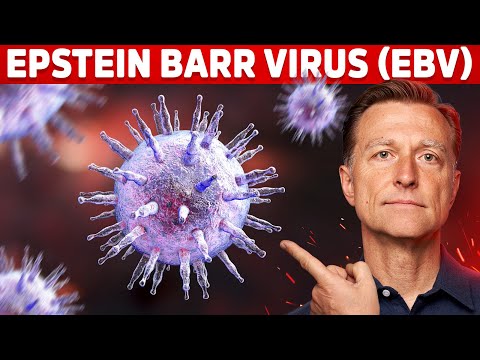
So, let’s chat about something that might surprise you: Epstein-Barr Virus, or EBV for short. You know, the virus that causes mono? Yeah, that one.
But here’s the kicker—there’s more to EBV than just making you feel like you’ve been hit by a bus. Some folks are saying it could mess with your brain too! Crazy, right?
It turns out this virus might be linked to cognitive dysfunction. Like, what does that even mean? Well, think memory lapses and brain fog.
You’re probably wondering how a little virus can do all that. I mean, it sounds wild! But stay with me; there’s a lot more to uncover here about EBV and its sneaky effects on our noggin.
Optimal Vitamin C Dosage for Managing Epstein-Barr Virus Symptoms
So, let’s chat about Vitamin C and how it might relate to managing symptoms of Epstein-Barr Virus (EBV), specifically regarding cognitive dysfunction. Now, EBV is a virus that a lot of people have but often don’t even realize it. It can cause fatigue, fevers, and sometimes more complicated stuff like cognitive issues. Pretty annoying, right?
Vitamin C is known for its immune-boosting properties. It’s like that friend who always brings the snacks to the party—everyone loves having it around! But when you’re dealing with EBV symptoms, how much Vitamin C do you really need?
- General Recommendations: The daily recommended intake for Vitamin C is about 75 mg for women and 90 mg for men. But this is just the baseline.
- Higher Doses: Some studies suggest that higher doses of Vitamin C—around 500 mg to 2000 mg per day—might help reduce fatigue and boost your immune response when you’re feeling run down.
- Cognitive Benefits: There’s some evidence hinting that Vitamin C may play a role in cognitive function. People often report feeling sharper when their Vitamin C levels are adequate.
This doesn’t mean you should just start chugging supplements without thinking twice. More isn’t always better; too much Vitamin C can lead to stomach problems or diarrhea. Yikes! You follow me? It’s kinda like trying to eat an entire pizza by yourself. Sure, it sounds fun until your stomach regrets it.
If you’re considering upping your Vitamin C game because of EBV symptoms, talk to a healthcare provider first. They can help tailor your dosage based on your specific needs and overall health.
Also, if you’re feeling like your brain is running on low battery due to EBV, focusing on a balanced diet rich in fruits and veggies can support not only your immune system but also cognitive function.
- Foods Rich in Vitamin C: Think oranges, strawberries, kiwi, bell peppers—even broccoli packs a punch!
- Sustained Release Supplements: If you’re going the supplement route, consider sustained-release formulas so that you get a more consistent level of vitamin in your system throughout the day.
The bottom line? While adequate Vitamin C might help manage some symptoms linked to EBV and support cognitive function, it’s not a cure-all. Just be mindful of how you’re approaching this vitamin boost! Always listen to your body—and don’t forget those rich foods that come packed with nutrients too!
Understanding Epstein-Barr: A Comprehensive Guide to Testing and Diagnosis
So, Epstein-Barr virus (EBV). You might have heard of it as the pesky virus behind mononucleosis, or «mono» for short. A lot of people catch it during their teen years or early adulthood. But here’s the thing—EBV can stick around in your body long after you’ve recovered. And recent research is suggesting it may even be linked to cognitive dysfunction in some folks. Let’s break this whole thing down.
What is Epstein-Barr Virus?
Basically, EBV is a virus that belongs to the herpes family. It’s super common; most people will get infected at some point in their lives. You might not notice any symptoms at all, or you could end up feeling pretty terrible for a while. Symptoms can include fatigue, fever, sore throat, and swollen lymph nodes.
How Do You Get Tested for EBV?
If you’re feeling off and think EBV might be the culprit, you’ll want to see your doctor. They can run a couple of blood tests to check for signs of active infection or past exposure to the virus.
- Monospot test: This is often the first test they’ll use to check for mono and looks for certain antibodies that show your body has responded to EBV.
- EBV-specific antibody tests: These give more detailed info on which kind of antibodies are present—meaning whether it’s a recent infection or something older.
So let’s say you find out you do have an active EBV infection. Your doctor will usually recommend rest and fluids since most cases resolve on their own.
The Link Between EBV and Cognitive Dysfunction
Here’s where things get really interesting—and maybe a bit concerning too. Some studies suggest that there may be an association between chronic EBV infection and cognitive issues like memory loss or brain fog. This isn’t just about feeling sluggish; it could affect how well your brain processes information.
For example, imagine you’ve been feeling mentally drained without explanation—like trying to walk through mud instead of cruising along smoothly—and tests come back showing past exposure to EBV. It could explain why you’re struggling with focus or remembering things—your body is focusing its energy on fighting off the virus instead of keeping your brain sharp.
It’s important to note though that not everyone with EBV will experience cognitive dysfunction; there are lots of factors at play here including genetics, overall health, and lifestyle choices.
Treatment Options
If you’re dealing with ongoing symptoms linked to EBV, like fatigue or cognitive issues, treatment focuses on managing those symptoms rather than curing the virus itself since there isn’t a specific antiviral treatment for EBV currently available.
- Lifestyle changes: Prioritize sleep and nutrition—seriously! These are key players in recovery.
- Cognitive Behavioral Therapy (CBT): This can help manage anxiety related to symptoms.
Ultimately, staying connected with healthcare providers who understand how EBV affects your life is crucial. They can guide you on next steps if symptoms hang around longer than they should.
It’s always good practice to keep learning about what goes on inside your body because knowledge empowers you! If anything seems amiss after an EBV infection—or even if you’re just feeling off—it never hurts to reach out and talk about it!
How Epstein-Barr Virus May Influence Dementia Risk: Understanding the Connection
Well, Epstein-Barr Virus (EBV) is a pretty common virus that most folks get at some point. It’s the main culprit behind infectious mononucleosis, or mono, which usually makes you feel downright awful for a while. But here’s the kicker: recent research suggests that EBV might have a sneaky connection to dementia risk. Yup, it’s not just about feeling sick for a couple of weeks.
So, how does this all work? Basically, EBV can lay low in your system for years after the initial infection. This virus has been linked to various conditions like multiple sclerosis and other autoimmune diseases. Some scientists believe that there’s a possibility it could also mess with our brains in ways we’re just starting to understand.
Here are some thoughts on that connection:
1. Immune Response: EBV can trigger an immune response that, over time, might lead to inflammation in the brain. Chronic inflammation is thought to contribute to cognitive decline and maybe even dementia. Think of it as your brain being constantly poked by little inflammatory arrows—it can’t be good!
2. Brain Changes: There’s evidence suggesting EBV might cause changes in brain structure or function, perhaps via damage to neurons or by affecting how nerve cells communicate with each other. If your neurons aren’t firing properly, it could mess with memory and thinking skills.
3. Genetic Factors: Your genes play a role too! Some people are genetically predisposed to developing neurodegenerative diseases when they encounter certain triggers—like viral infections including EBV. It’s like having a box of matches and then someone pours gasoline on the fire.
In some studies—like those looking at samples from people with Alzheimer’s—it seems they had higher levels of antibodies against EBV compared to those without dementia issues. This points towards a potential link between having had EBV and later cognitive problems.
Now imagine someone who had mono in high school—they felt drained for weeks and maybe had trouble focusing on schoolwork due to fatigue. Years later, they could be facing more serious headaches or memory issues as an adult; it raises an eyebrow regarding whether their earlier virus played any role.
So while we still need more research (lots more), understanding this connection between Epstein-Barr Virus and dementia risk is crucial. The immune system’s response may hold vital clues about why certain individuals seem more vulnerable than others as they age.
If you’ve had mono before—don’t freak out! Just keep an eye on your health and stay connected with your doctor about any changes you notice over time. It’s all about being proactive with your well-being!
You know, I was chatting with a friend recently about how some health issues just seem to pop up out of nowhere, and we stumbled across the Epstein-Barr Virus (EBV). It’s like, most people think of it as just “that virus that gives you mono,” but there’s so much more tangled up in its story.
So here’s the thing: EBV isn’t just a party crasher at your high school prom, it can also hang around and mess with your life in ways you might not expect. Some studies have shown that it could be linked to cognitive dysfunction—yeah, like brain fog, memory issues, and trouble focusing. Isn’t that wild? Imagine you’re sitting at work trying to concentrate on an important project, but your mind feels like it’s wrapped in cotton candy. You’re kind of aware of everything happening around you but can’t quite grasp the details.
I remember when my aunt went through a phase where she was always forgetting things—like where she put her keys or whether she had eaten lunch. It was frustrating for her and honestly kind of scary for me to watch because she was so sharp before that. Turns out EBV had taken a toll on her system after years of being latent. She didn’t really connect those dots until later when her doctor mentioned the connection between the virus and cognitive health.
Cognitive dysfunction linked to EBV might not happen to everyone who gets infected, but man, the potential effects linger long after the initial illness clears up for some folks. So if you’ve ever felt that weird disconnect in your brain after recovering from a viral infection or even stress—there’s a chance it’s not all in your head; it could be something deeper at play.
Overall, while we often think of our bodies as simple machines—it’s way more complicated than that! Viruses like EBV weave their way into our systems and can mess with us in ways that feel frustratingly vague sometimes. It definitely makes you appreciate staying healthy and maintaining good habits—it’s so connected to how our minds work!