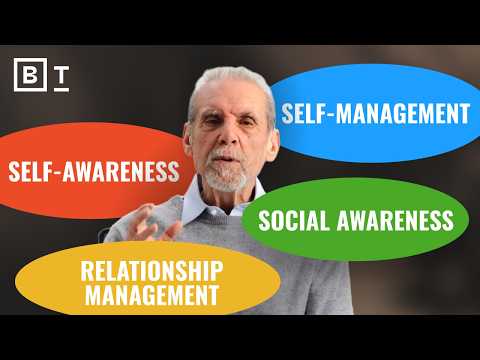
Hey, you know that feeling when you just can’t figure out why someone’s acting a certain way? Or, like, when you’re in a room with people and somehow you just get the vibe? That’s emotional intelligence for ya.
It’s that special skill of understanding not only your own emotions but also those of others. But here’s the thing: how do you even measure something so… squishy? Enter psychological assessments.
These tools help us peek behind the curtain of our minds and feelings. They can tell us a lot about ourselves—our strengths, our quirks, and yeah, areas we might need to work on.
So buckle up! We’re diving into how emotional intelligence and these assessments work together. It’s gonna be a bit of a ride!
Exploring Emotional Intelligence: Key Psychological Assessments and Focus Questions
Emotional intelligence, or EQ, is all about how you understand and manage your own emotions, plus how you relate to others’ feelings. It’s not just about being touchy-feely, though; it plays a huge role in how we interact with people in everyday life, work situations, and even our relationships.
Now, when it comes to measuring emotional intelligence, there are a few key psychological assessments that people often use. Think of these assessments as tools to get a clearer picture of your EQ. They help shine a light on areas where you might be strong and others where there’s room for growth.
One of the most well-known tests is the **Emotional Quotient Inventory (EQ-i)**. It looks at different aspects like self-awareness, empathy, and social skills. You answer questions that dive into how you respond to emotional situations. For example, it might ask how you feel when someone shares bad news with you – do you immediately jump in to fix things or just listen attentively?
Another popular assessment is the **Mayer-Salovey-Caruso Emotional Intelligence Test (MSCEIT)**. This one’s more focused on measuring your ability to process emotional information. You’re given scenarios and have to explain what emotions are present or how someone might feel in a particular situation. It’s pretty interesting because it tests your ability to recognize emotions both in yourself and others.
When psychologists use these tests, they typically look for patterns that can tell them more about your emotional strengths and weaknesses. Key focus questions during this assessment might include:
- How do I handle stress when faced with challenges?
- Can I easily identify my own feelings?
- Do I find it easy to empathize with others?
- How do I express my emotions in relationships?
These questions aren’t just for fun; they help paint a picture of how emotionally intelligent you are.
It’s also super important to remember that emotional intelligence isn’t fixed; it can change over time! Picture someone who used to struggle with empathy but worked hard on understanding others better through practice and reflection—that person can absolutely improve their EQ!
So if you’re thinking about getting assessed or just exploring how your emotions play into your everyday life, know there are tools out there for digging deeper into this fascinating aspect of human behavior!
Understanding the Mayer-Salovey-Caruso Emotional Intelligence Test (MSCEIT): A Key to Enhancing Your Emotional Skills
The Mayer-Salovey-Caruso Emotional Intelligence Test, or MSCEIT for short, is a pretty big deal when it comes to measuring emotional intelligence. Basically, it’s designed to assess how well you can perceive, use, understand, and manage emotions. You know, that stuff that can totally change how we interact with others and handle our own feelings.
What’s the deal with emotional intelligence? Well, it’s all about being in tune with your emotions and those of people around you. It helps you navigate social situations better and build stronger connections. Think about a time when you noticed someone was upset but didn’t say anything. Recognizing that feeling in others is a key part of emotional intelligence.
Now let me break down the MSCEIT for you. The test is divided into four main areas:
- Perceiving Emotions: This measures your ability to recognize emotions in faces, pictures, or even stories. For instance, if you see a picture of someone frowning, can you tell they might be sad or angry?
- Using Emotions: Here’s where it checks if you can harness emotions to facilitate thinking and problem-solving. Like when you’re feeling pumped before an exam—using that energy to help focus.
- Understanding Emotions: This part assesses whether you grasp the complex relationships between feelings—that sadness can lead to anger or joy can turn into excitement.
- Managing Emotions: This evaluates your ability to regulate your emotions and those of others effectively. For example, if someone is anxious during a presentation, can you help calm them down?
The format? It’s not just multiple-choice questions; instead, you’re presented with real-life scenarios or images where you have to identify the emotional context or suggest how someone should react.
You might be wondering why this matters at all. Well, improving your emotional intelligence has been linked to better personal relationships and even success at work! Seriously! When you’ve got a solid grip on your own emotions and understand others’, everything from teamwork to leadership becomes easier.
And here’s an interesting tidbit: research suggests that people often confuse IQ with EI (emotional intelligence). But they’re not the same—you could be super smart on paper yet struggle with emotional skills in everyday life.
Imagine this: think about a friend who’s always there for everyone else but has trouble managing their own stress. An assessment like the MSCEIT could help them realize they need to work on understanding their feelings better—which could seriously improve their overall well-being.
So yeah, understanding tools like the MSCEIT isn’t just for professionals or academics; it’s like having a roadmap for enhancing your emotional skills every day. Whether it’s smoothing out relationships or getting through tough times, being emotionally intelligent really gives you an edge in life.
Unlocking Emotional Intelligence: Essential Test Questions and Answers PDF Guide
Emotional intelligence, or EQ, is all about how we understand and manage our emotions and the emotions of others. It’s like having a superpower when it comes to social interactions. The cool thing is, you can actually measure this with tests designed to assess your emotional awareness and empathy.
Now, if you’re looking at *test questions* related to emotional intelligence, here are some key points that might pop up:
- Self-awareness: This is basically knowing your feelings and how they affect your behavior. You might be asked about situations where you felt strong emotions and how you handled them.
- Self-regulation: Here, it’s about managing your emotions. Questions may focus on how you’ve reacted in stressful situations or if you’ve ever had to pause before responding to someone.
- Motivation: This involves understanding what drives you. You could be asked about times when you’ve set goals for yourself or pushed through challenges despite feeling tired or discouraged.
- Empathy: An essential part of EQ! You’ll probably encounter questions focused on understanding others’ feelings. Like, have you ever noticed when a friend was upset even though they didn’t say anything?
- Social skills: This relates to how well you interact with others. Expect questions about teamwork, conflict resolution, or how you build relationships with people.
When taking these tests, the goal isn’t just to get a high score but to become aware of your emotional landscape and ways you can improve. For instance, let’s say a question asks if you’ve ever felt frustrated by someone’s lack of communication—this doesn’t just show a gap in social skills, but also opens the door for deeper reflection on how better communication can bridge that divide.
Some assessments like the **EQ-i** (Emotional Quotient Inventory) include multiple-choice questions where you’ll choose responses based on scenarios given. For example: “How do you feel when someone gives constructive criticism?” Your answer gives insight into self-regulation and receptiveness.
But what’s the takeaway here? Emotional intelligence isn’t fixed—it’s fluid! This means whatever insights you gain from these tests can help shape your approach in daily life. Maybe you’ll realize that practicing empathy makes those tough conversations way easier or learning more about self-regulation could keep your stress levels down.
By understanding these components through both personal experiences and structured assessments, you’re not just building EQ; you’re paving the way for better relationships both personally and professionally. So yeah, take those test results as an opportunity for growth rather than just numbers on paper!
You know, emotional intelligence (EI) is one of those buzzwords that gets tossed around a lot these days. But it’s actually pretty fascinating. It’s not just about being “nice” or being able to read the room; it’s this whole mix of being aware of your own emotions and understanding the feelings of others. Can you remember a time when you were in a heated situation, and someone just kind of diffused it with their empathy? That’s EI in action.
When we talk about psychological assessments, it’s like shining a light on different aspects of our minds. These assessments can give insights into personality traits, cognitive abilities, and yes—even emotional intelligence! So when someone takes an EI assessment, they’re basically unpacking their emotional toolkit to see how well they handle feelings—both theirs and other people’s.
I once had a friend who struggled with understanding why her relationships would sometimes go south pretty quickly. She decided to take an EI test out of sheer curiosity. What she found was eye-opening: while she had great instincts about what others felt, she often didn’t recognize her own emotions until they boiled over. It was like she had this emotional pressure cooker going on!
Anyway, assessments can also help people figure out areas where they might want to grow or change. Imagine feeling stuck in your job because you’re great at the technical stuff but get anxious during team meetings? An assessment might help highlight how improving your EI could make all the difference there.
But let’s not overlook that these tests aren’t the final word on who we are or how we interact with others. They’re just tools—like having a map but still needing to navigate your own way through life. Sometimes, talking to someone—a therapist or even just a friend—can provide deeper insights than any test ever could.
So yeah, emotional intelligence entwined with psychological assessments can lead us down this really enlightening path! You get to know yourself better and build stronger connections with others along the way. How cool is that? It feels like an adventure into understanding ourselves more deeply—not just for our own sake but for those we care about too.