You know how some people just seem to get you? They vibe with your feelings, and it feels good, right? That’s emotional intelligence for you.
In the mental health world, it’s a big deal. It’s about understanding emotions—yours and others’. When you’re more in tune with these feelings, life gets a little easier.
So, what does this mean for mental health? Well, quite a bit!
Assessing emotional intelligence can help in therapy or just day-to-day life. It’s not just about feeling better; it’s about communicating better too.
Let’s break this down together. Trust me; it’ll be worth it!
Exploring the Role of Emotional Intelligence in Enhancing Mental Health and Well-Being
Emotional intelligence (EI) is a big deal when it comes to mental health and well-being. Basically, it’s the ability to understand your own emotions and those of others. Imagine being able to pick up on when your friend is feeling down just by their body language or facial expressions. That’s EI in action! It plays a key role in how we manage stress, interact with others, and make decisions.
You know those moments when you feel overwhelmed? Or when you’re trying to keep your cool in a tough situation? That’s where emotional intelligence can really shine. It helps you recognize what you’re feeling, understand why you feel that way, and then decide the best course of action.
An important part of EI is self-awareness. This means recognizing your own emotional triggers—like if you get anxious before big presentations or angry during conflicts. With this awareness, you can work on managing these feelings better. For example, if you know that public speaking makes you anxious, practicing mindfulness techniques ahead of time could really help calm those nerves.
Then there’s empathy—another big aspect of EI. It’s not just about feeling sorry for someone; it’s understanding their feelings at a deeper level. When you empathize with others, you’re more likely to respond supportively rather than react defensively. This connection fosters better relationships and creates an environment where everyone feels understood.
On top of that, emotional regulation is super crucial. This means being able to control your emotions rather than letting them control you. Have you ever seen someone blow up over something small? That often happens when people struggle with regulating their emotions. Learning healthy coping strategies can prevent these outbursts from happening.
The impact of EI on mental health is profound. Studies show that people with high emotional intelligence tend to report better mental health overall and lower levels of stress and anxiety. They often have healthier relationships too since they communicate better and handle conflicts more effectively.
So, how do we assess emotional intelligence? There are various tests available that measure different aspects like self-awareness, empathy, and regulation skills. For example, some assessments might ask how you would react in specific situations or measure how well you can identify emotions in yourself and others.
But here’s the thing: improving your emotional intelligence isn’t one-and-done work; it’s like exercising a muscle! You need consistent practice over time to see improvement—and it’s totally worth it for your mental well-being!
In summary, emotional intelligence enhances mental health by allowing us to navigate our own feelings and understand others’. With greater self-awareness and empathy plus effective emotion regulation skills, we create not only better relationships but also healthier versions of ourselves! So if you’re looking for ways to boost your mental wellness, maybe diving into your emotional intelligence could be a nifty place to start!
Understanding Emotional Intelligence Assessments: A Comprehensive Guide to Enhancing Self-Awareness and Interpersonal Skills
Understanding emotional intelligence (EI) assessments can feel a bit like peering into a complex mirror. You might see parts of yourself you didn’t quite know were there. Basically, EI is about how well you recognize your own emotions and those of others. It’s like learning to read the room instead of just focusing on your own thoughts and feelings.
So, what are these **assessments** all about? Well, they measure how well you can understand and manage emotions—yours and other people’s. Think of it as a fitness test for your emotional skills! The goal is to enhance **self-awareness** and improve **interpersonal skills**, which can be life-changing.
Here are some key points to consider:
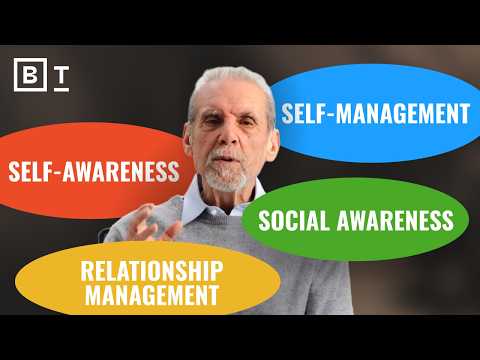
- Self-Awareness: This is the foundation. You can’t work on what you don’t know, right? Self-awareness means being in touch with your feelings, recognizing them as they come up, and understanding what triggers them. For example, if you’re feeling anxious before a meeting, realizing that it’s due to fear of public speaking is the first step.
- Self-Regulation: Once you’re aware of your emotions, managing them becomes crucial. This means not letting an outburst control you. Let’s say someone cuts you off in traffic; instead of honking and shouting, self-regulation helps you breathe deeply and let it go.
- Empathy: It’s one thing to understand yourself but totally another to pick up on others’ emotions. Empathy allows us to connect better with people around us. Maybe a friend seems off; by tuning into their energy or expressions, you can ask if something’s bothering them.
- Social Skills: This is where it gets super practical! Good social skills mean building healthy relationships—like being able to communicate clearly or resolve conflicts peacefully. If you’ve ever had a heated discussion that turned into a productive conversation? That’s social skill at work!
- Motivation: Having an internal drive often shapes how we interact with others. Think about setting personal goals; someone high in EI might encourage teammates even when things get tough because they believe in the team’s success.
Now that we’ve laid the groundwork for what EI assessments measure, let’s talk about how they’re conducted. There are various methods—some involve self-report questionnaires where you rate your emotional responses or behaviors in different scenarios. Others use peer assessments where friends or colleagues provide feedback on your emotional interactions.
Getting evaluated isn’t always easy but think about it as an opportunity for growth! Remember that awkward moment when a friend pointed out you’d interrupt them often? Well, that kind of feedback helps bring awareness so you can adjust.
Here’s the kicker: learning from these assessments doesn’t just help us personally but can really impact our professional lives too! People who score high on emotional intelligence often perform better at work because they collaborate more effectively.
In summary, developing & enhancing emotional intelligence through assessments isn’t just some fluff—it dives deep into who we are and how we relate with each other every day. So hey, if you’re considering trying one out or encouraging someone else to do so? Go for it! You never know what treasures you’ll uncover within yourself—and honestly? It could transform your relationships for the better!
Free Emotional Intelligence Assessment Tools for Enhancing Mental Health
So, let’s chat about emotional intelligence, or EQ. It’s all about understanding your own emotions and those of others. It plays a pretty big role in mental health—like, seriously big! When you’re in tune with your feelings, you can manage stress better, relate to people more easily, and navigate life’s ups and downs with a little more grace.
Now, if you’re looking to boost your EQ without spending a dime, there are some free assessment tools out there that can help you get started. Here’s the lowdown on a few of them:
- The Emotional Intelligence Appraisal: This tool gives you a quick overview of your emotional intelligence skills. You answer questions about how you react in different situations. It covers areas like self-awareness and relationship management. Super handy for getting an idea of where you stand.
- Six Seconds EQ Assessment: This one’s pretty cool because it not only assesses your emotional intelligence but also suggests ways to improve it. You answer a series of questions that help pinpoint your strengths and weaknesses in different emotional skills.
- MindTools Emotional Intelligence Quiz: A straightforward quiz that helps identify how well you recognize emotions—both yours and others’. After completing it, you’ll receive feedback that can guide your personal growth journey.
- Greater Good Science Center’s Emotional Intelligence Quiz: Offered by UC Berkeley, this quiz measures various aspects of emotional intelligence and usually comes with articles or resources related to improving those areas.
It might seem overwhelming to think about why improving your EQ is important for mental health. But consider this: when you’re good at managing emotions, you’re less likely to veer into anxiety or depression territory. Imagine being able to pinpoint your feelings during those heavy moments; it makes all the difference!
A friend once told me about their experience using one of these tools. They were feeling really stressed out at work but didn’t quite know why. After taking an assessment, they realized they were ignoring their own emotions while trying to please others. Just by recognizing this pattern helped them make small changes—like setting boundaries—and their mental health improved significantly.
So yeah, these assessments can be powerful little tools in building self-awareness which is key for better mental health outcomes. Just remember: it’s not just about the score; it’s about what you do with the insights gained from these assessments!
You know, emotional intelligence (EI) is one of those things that gets talked about a lot, especially in mental health circles. It’s like this buzzword everyone throws around, but honestly, it’s so much more than just a trendy term. EI is really about how well you understand your own feelings and the feelings of others. So, assessing it can give some serious insight into how someone might cope with life’s ups and downs.
Think about it—when you’re having a rough day, being aware of what you’re feeling and why can change everything. Like that time I was overwhelmed with work stress. I realized I was snappy with my friends because I didn’t know how to express what was bothering me. If I’d had higher emotional intelligence back then, I could’ve communicated better instead of letting my frustrations spill over onto others.
In therapy settings, EI assessments can be incredibly helpful. They can show how well someone identifies their emotions or understands other people’s reactions. It’s not just a matter of saying «I’m sad» or «I’m angry.» It goes deeper into recognizing triggers and patterns in behavior—which can totally shape recovery journeys.
And let’s be real—the mental health world isn’t all about rigid diagnoses or symptoms alone; it’s also about connecting with people on an emotional level. If we get to the heart of someone’s emotional intelligence, we can find better ways to support them through challenges. It opens doors for healthier relationships too; imagine navigating conflicts or stressful situations with calmness and empathy—it makes everything easier!
But on the flip side, it’s important to remember that these assessments aren’t perfect. They have their limitations and shouldn’t be used as the sole measure of someone’s worth or ability to handle life challenges. Emotions are messy! We’re all human after all.
So yeah, EI assessments in mental health contexts? They’re pretty crucial for understanding ourselves and each other better. They help us shine a light on our emotional landscape so we can navigate through it more effectively—both for ourselves and in our relationships with others.