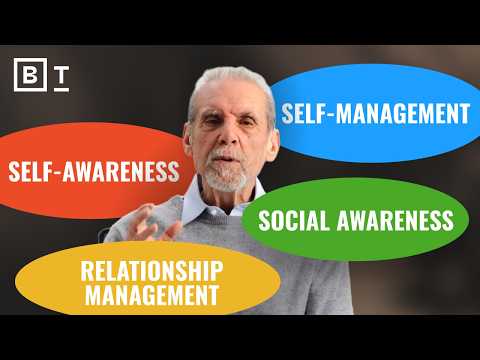
You know how some people seem to just get you? They read the room perfectly, make you feel comfortable, and know exactly what to say. That’s Emotional Intelligence, or EQ. It’s a pretty big deal when it comes to our mental health.
Then there’s IQ, or Intelligence Quotient. That’s more about cognitive skills—like reasoning, problem-solving, and all that brainy stuff. Both EQ and IQ play roles in our lives, but what’s the deal with their relationship?
It’s interesting, right? Like how do these two different types of intelligence work together? Are they buddies or rivals in the world of mental health? Let’s chat about this because understanding them can really help us navigate our feelings and relationships better. So buckle up; it might get a little deep!
Exploring the Connection Between IQ and EQ: Understanding the Balance of Intelligence and Emotional Awareness
Exploring the connection between IQ (intelligence quotient) and EQ (emotional quotient) is like looking at two sides of the same coin. You can’t really have one without the other. They both play key roles in our lives, especially when it comes to mental health.
IQ refers to our cognitive abilities—problem-solving skills, logical reasoning, and understanding complex ideas. It’s about how you think and process information. On the other hand, EQ is all about your emotional awareness—how well you recognize your feelings and those of others. Think of it as your ability to navigate social environments.
Now, let’s break this down a little more:
So, imagine someone with a brilliant IQ but low EQ. They’re fantastic at math but struggle in conversations or feel overwhelmed during stressful times. You know that friend who aces every test but freaks out over minor issues? Yeah, that’s a classic example.
Now let’s talk about balance. If you only focus on IQ, you could end up feeling isolated or misunderstood because you might not connect well with others emotionally. Conversely, if you’re all about EQ but neglect your cognitive skills, it might limit your career choices or problem-solving abilities.
It really gets tricky when they impact each other. For instance, someone with a high IQ may develop anxiety due to perfectionism—always feeling pressure to perform flawlessly. But guess what? A strong EQ can help them manage that anxiety by recognizing their triggers and practicing self-compassion.
Research shows that people who can blend both IQ and EQ tend to lead healthier lives emotionally and psychologically. They handle stress more effectively and build stronger relationships. So yeah, it’s not just about being book-smart or emotionally aware; it’s about finding harmony between the two.
In mental health contexts—think therapy or counseling—the balance matters even more. Therapists often emphasize developing both intelligence types to foster overall well-being because one supports the other.
To wrap up this exploration: while IQ gives us tools for critical thinking and academic success, EQ opens doors for deeper connections and emotional resilience. You need them both! Just like a good recipe requires different ingredients for a perfect dish—having both intelligence types creates a fulfilling life full of joy and understanding.
10 Effective Ways to Nurture Your Emotional Well-Being
So, emotional well-being is such a big deal. It’s like the foundation for everything else in your life, right? Your emotional health actually ties into how you function day-to-day and even impacts your mental health. Now, when we talk about emotional intelligence, or EQ, it’s basically about recognizing and managing your feelings and understanding others’ emotions too. And believe me, it can be just as important—if not more so—than IQ when it comes to overall mental wellness.
Here are some ways to nurture that emotional well-being of yours:
- Practice mindfulness: This can be as simple as taking deep breaths or being present in the moment. It helps you connect with yourself without all the noise of daily life.
- Build strong relationships: Surround yourself with folks who lift you up. Social connections can seriously enhance your happiness levels and help you cope better during tough times.
- Express gratitude: Regularly jotting down or even just thinking about things you’re thankful for can shift your mindset to a more positive place.
- Acknowledge your emotions: Rather than trying to push down those feelings, let them surface! Talking about them with someone or writing them down can be freeing.
- Engage in physical activity: Whether it’s a casual walk or a workout at the gym, moving your body releases endorphins that boost your mood.
- Pursue hobbies: Doing things you love can bring joy and satisfaction into your life; it’s like giving yourself some much-needed «me time.»
- Limit exposure to negativity: Sometimes the news and social media can get heavy. If it’s weighing on you, cut back on that stuff for a bit!
- Set healthy boundaries: It’s okay to say no sometimes. Protecting your energy is crucial for maintaining emotional balance.
- Solve problems creatively: Instead of getting stuck on problems, think outside the box! Sometimes brainstorming different solutions helps relieve stress.
- Cultivate self-compassion: Be kind to yourself! Treat yourself like you’d treat a close friend going through a rough patch. That little shift in perspective makes a world of difference!
You know, I once had this friend who was always super hard on herself. She was brilliant academically (total high IQ) but struggled socially because she often didn’t understand moods around her (low EQ). After working on her emotional awareness through some of these methods—and trust me, it wasn’t overnight—she really flourished! Her grades didn’t dip; they actually improved because she was happier and more balanced.
All this goes to show that nurturing your emotional well-being isn’t just fluffy stuff; it actually has real implications for how we manage our lives mentally—and emotionally too! So give these strategies a shot; they might just help boost both your EQ and overall happiness.
Understanding the Disconnect: High IQ vs. Low EQ – Exploring the Reasons Behind Your Emotional Struggles
So, you’ve probably heard people talk about IQ and EQ. It’s like this whole thing where some folks excel in smarts and others in emotional intelligence. But what happens when you’ve got a high IQ but struggle with emotional stuff? That’s a big question, and it really digs into the disconnect between the two.
IQ, or Intelligence Quotient, mainly measures cognitive abilities like reasoning, problem-solving, and understanding complex ideas. It’s the kind of stuff schools typically focus on. You might ace those math tests or write essays that impress your teachers. But when it comes to emotions—yours or others’—it can feel totally different.
On the flip side, EQ, or Emotional Quotient, is about recognizing, understanding, and managing emotions. Think of it as your emotional toolkit; it helps you navigate relationships and handle stress. So what gives when someone has a great brain but struggles with feelings?
- Different areas of development: High IQ doesn’t always mean people have had practice in social situations or developing empathy. You might be able to solve complex equations but find small talk utterly terrifying.
- Societal values: We often value intellectual achievements more than emotional growth in many environments. So if you grew up focused on grades rather than friendships, your social skills might lag behind.
- Misperceptions:b> Some folks think that being smart means you should naturally be good at everything else too—like emotions—but that’s not how things work! It can lead to frustration for high-IQ individuals who can’t connect emotionally.
- Anxiety and perfectionism: High-IQ folks sometimes struggle with anxiety or perfectionism because they set super high standards for themselves. When they don’t meet those standards emotionally, it can create a downward spiral of self-doubt.
You know what’s funny? I had a friend back in college who was brilliant at math but said she felt like she was always wearing “emotional sunglasses.” She could see problems clearly in her studies but had a hard time reading people or expressing her own feelings. It made social situations really tough for her.
The thing is, having one doesn’t guarantee balanced mental health. The relationship between IQ and EQ is complex. Some studies even show that high EQ can lead to better job performance and overall well-being—sometimes even more than high IQ!
You might be thinking about how to improve your EQ if this resonates with you—or maybe you’re just curious why some brilliant minds struggle with emotions while others seem to cruise through life effortlessly connecting with everyone around them.
The truth is: both IQ and EQ are valuable tools for navigating life! A balance between the two can help you tackle those emotional struggles better while still using that awesome intellect of yours.
You know, the whole thing about emotional intelligence (EQ) and intelligence quotient (IQ) is pretty interesting. Both are important in their own ways, but how they work together can really shape our mental health experiences. So, let’s talk about that.
First off, IQ measures your cognitive abilities—like problem-solving and reasoning skills. It’s a way to gauge how well you think and process information. But here’s the kicker: having a high IQ doesn’t automatically make you good at handling stress or understanding your feelings. I mean, picture this: a brilliant scientist might discover the cure for a disease but struggle to connect with their friends or recognize when they’re feeling overwhelmed.
That’s where EQ steps in. Emotional intelligence is all about recognizing, understanding, and managing our emotions as well as those of others. Let’s say you’re going through a tough time—maybe you just lost a job or had a fight with someone close to you. If your EQ is high, you’re likely better at understanding what you’re feeling and why. You might even know when to reach out for support instead of shutting down or lashing out at people around you.
I remember talking to a friend who was super smart—like graduated top of her class—but she often felt anxious in social settings. Her IQ was through the roof; she could ace any test thrown her way! But navigating friendships? That was tough for her. It wasn’t until she started working on her emotional intelligence that things began to shift for her. She learned how to express her emotions better and even picked up on social cues she had been missing before.
What I’m getting at here is that while IQ can help you solve problems and excel academically or professionally, it’s EQ that helps us handle life’s emotional ups and downs more gracefully. Mental health isn’t just about being smart; it’s also about being aware of how we feel and building meaningful relationships with others.
So yeah, blending both IQ and EQ is key—not just for coping with life’s challenges but for thriving in all aspects of your life too! Emphasizing one over the other isn’t the best move. Instead, try to develop both because they really do complement each other in surprising ways!