You know those days when you just feel all over the place? Like, your emotions are like waves crashing and pulling you under? Yeah, we’ve all been there. It’s tough to navigate.
But here’s the thing: understanding your emotions can seriously change the game. That’s where emotional intelligence comes in. It’s about being in tune with what you’re feeling and why.
Ever thought about how that awareness could help you in everyday life? Relationships, work, even the way you handle stress—all of it can get a nice boost if you know your emotional landscape a bit better.
So, if you’re curious about how to untangle those feelings and improve your mental health, stick around. I’ve got this cool questionnaire to help you figure it all out!
Understanding Emotional Intelligence Questionnaires: A Comprehensive Guide
Understanding emotional intelligence (EI) is like opening a window to how you connect with yourself and others. Seriously, it’s such a game changer. Emotional intelligence questionnaires help you measure this skill. You know, EI isn’t just about being empathetic; it’s about recognizing and managing your own emotions, too. It’s kind of like having a superpower for better mental health.
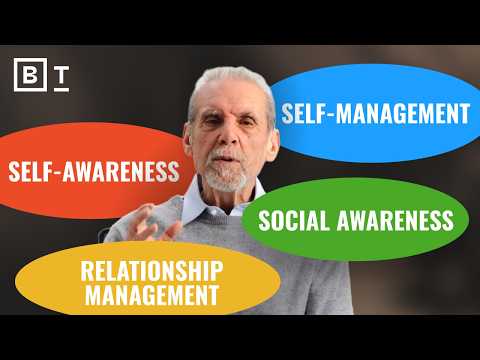
So, what exactly is an emotional intelligence questionnaire? Well, basically, it’s a set of questions designed to assess your ability in different areas of emotional intelligence. These areas usually include things like self-awareness, self-regulation, social skills, empathy, and motivation. They help paint a picture of how emotionally intelligent you are.
1. Self-Awareness
This is all about knowing your own feelings and being comfortable with them. Think about that moment when you realized you were angry but couldn’t pinpoint why. A questionnaire can help highlight your strengths in recognizing those emotions.
2. Self-Regulation
Okay, so you feel angry—now what? Self-regulation is how well you manage that feeling without blowing up at someone or just shutting down completely. Questions might ask how often you find yourself keeping calm under pressure.
3. Empathy
Empathy isn’t just about feeling bad for someone; it’s getting into their shoes to really understand their experiences and emotions. Questionnaires often include scenarios where you’d have to choose how you’d respond in a sensitive situation.
4. Social Skills
This one’s crucial for building relationships effectively! You’re probably going to get questions on how well you collaborate with others or resolve conflicts when they pop up.
5. Motivation
Motivation in this context involves your drive to achieve goals and pursue personal growth—not just work-related stuff but life in general! Are you motivated by intrinsic factors like personal values or by external rewards?
Now, why should this matter? Well, the thing is emotional intelligence plays a huge role in mental health. Higher EI helps with stress management and can lead to better relationships both personally and professionally.
So if you’re contemplating taking one of these questionnaires, remember: it’s not just about scoring high or low—it’s a tool for growth! You’ll learn where you’re strong and where there might be room for improvement.
However, keep in mind that these questionnaires aren’t foolproof; they can capture only so much. Sometimes the best insights come from real-life experiences rather than bubbles on an exam sheet!
All things considered, emotional intelligence questionnaires can offer valuable insights into yourself that maybe you’ve never thought about before—and understanding those insights can be the first step toward improving your mental health journey!
Boost Your Mental Health: Take Our Free Emotional Intelligence Questionnaire Today!
Emotional intelligence, or EQ, is like your mental health’s best friend. It helps you understand and manage your emotions and those of others. So when you hear about an emotional intelligence questionnaire, it might sound a bit formal, but it’s just a way to check in on how well you connect with your feelings and the feelings of people around you.
When you fill out an emotional intelligence questionnaire, you’re basically taking stock of key areas like self-awareness and empathy. These are super important because they can help you navigate life better. Think about those moments when you’ve “read the room” perfectly or felt someone else’s pain without them saying a word. That’s emotional intelligence in action!
So, why should you consider it? Well, improving your EQ may lead to multiple benefits for your mental health. Here are some cool things that could happen:
- Better Relationships: Whether with friends, family, or coworkers, understanding emotions can help you communicate more effectively.
- Reduced Stress: When you’re aware of what you’re feeling and why, it’s easier to handle tough situations and avoid unnecessary anxiety.
- Increased Resilience: Life throws curveballs at all of us. A strong EQ helps you bounce back from setbacks more quickly.
- Enhanced Decision-Making: Emotions play a huge role in decision-making processes. Better insight into them can lead to smarter choices.
Let me share a quick story: I once had this friend who seemed to be going through a rough patch all the time—like something was just off. One day they decided to take an emotional intelligence questionnaire just for fun. To their surprise, they learned that they often ignored their own feelings and struggled to express them clearly. After working on that for a while, not only did they feel lighter emotionally—but their relationships improved dramatically! They started connecting better with people without even realizing how much emotional understanding could change things for them.
Now here’s the deal: these questionnaires can vary quite a bit in what they ask. Some focus on recognizing your feelings—like how often do you feel happy or angry? Others dig deeper into social interactions—asking how well do you pick up on others’ emotions? So if you’re interested in one that might fit your needs best, doing some research could be helpful!
But remember this isn’t about being perfect at understanding feelings; it’s about growth. Just starting the process is a win in itself! Taking time to reflect on what makes you tick emotionally is like giving yourself a mini-therapy session.
So why not give it a shot? You might find out something new about yourself or discover ways to improve your mental well-being! And hey, wouldn’t that be awesome?
Download the Emotional Intelligence Questionnaire by Daniel Goleman – Free PDF Guide
Emotional intelligence, or EQ, is a big deal when it comes to mental health. Basically, it’s about how well you understand your own feelings and those of others. You know, like being able to read the room or picking up on someone’s vibe. Daniel Goleman’s work on emotional intelligence has really shaped how we think about this stuff.
You might’ve heard of the Emotional Intelligence Questionnaire. It’s a tool that helps you gauge where you stand in terms of emotional smarts. By filling it out, you can get a clearer picture of what areas you’re rocking in and what might need some work.
Here are a few things that make emotional intelligence so important:
- Self-awareness: Knowing your own emotions helps you manage them better.
- Empathy: Understanding how others feel can improve your relationships.
- Communication: Being able to express emotions effectively fosters better interactions.
- Problem-solving: Recognizing emotions can help you handle stress and make good decisions.
When you take Goleman’s questionnaire, you’re diving into specific aspects of EQ like self-regulation and social skills. It’s not just about feeling good; it’s about improving your overall mental health too.
You remember that moment when you felt overwhelmed after an argument? Yeah, that’s where emotional intelligence could’ve helped! If you’d had a higher EQ, maybe you would’ve recognized those feelings earlier. Or perhaps you could have empathized with the other person more easily.
If you’re looking for the Emotional Intelligence Questionnaire by Daniel Goleman, it seems like it’s available as a free PDF guide online. Just be careful while browsing — there are plenty of sites out there that might not be legit or may try to sell you something instead.
So really getting into this questionnaire can open up new pathways for understanding yourself and connecting with others. Plus, who wouldn’t want tools to enhance their mental well-being?
You know, emotional intelligence—sometimes it feels like this buzzword that everyone throws around. But really, it’s such a powerful thing. I mean, think about those moments when you’re feeling overwhelmed or just plain lost in your emotions. You might find yourself asking, “Why am I reacting this way?” Or maybe you see someone else struggling and think, “Man, I wish they could just tap into what they’re feeling!”
An emotional intelligence questionnaire can help with that. It’s not some magic potion or anything, but it’s a tool that nudges you to reflect on your feelings and reactions. Like, have you ever taken one of those quiz-style tests? You know the ones where you’re like, “Do I understand my emotions?” or “Can I read other people’s vibes?” It may sound silly at first, but when you stop to think about it, those questions actually matter.
Let me tell you a little story. A friend of mine once took this kind of questionnaire when they were feeling really stuck in life—like everything was a bit cloudy for them. They thought they knew how they felt about things; a classic case of «I’m fine!» But once they dug into the questions about empathy and self-awareness, it was eye-opening! They started realizing that their lack of understanding others’ feelings was affecting their relationships. Talk about a lightbulb moment!
By working through these questions and reflecting on their answers, my friend gained insights into themselves they didn’t even know were there! They learned to better identify their emotional triggers and how to deal with them without shutting down or lashing out at others. Improving emotional intelligence? Big win!
So yeah, using an emotional intelligence questionnaire isn’t just some checkbox on your mental health checklist; it can seriously guide your personal growth journey. It helps clarify what you’re feeling and why—and trust me, having that clarity is like finding your way out of a foggy path you’ve been stumbling through for ages.
In the end, emotionally intelligent people tend to navigate life with more ease. You become better equipped to handle stress and create healthier relationships with not just others but also yourself! And isn’t that something we could all use a little more of?