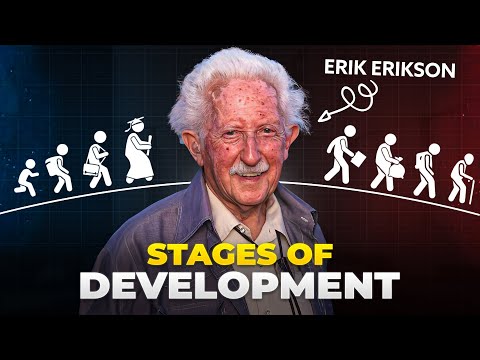
So, let’s talk about Erik Erikson. You know, that guy who laid out these stages of psychosocial development? His ideas are kinda like a map for life’s ups and downs. Seriously, it’s wild how they connect to what we go through as we grow up.
Ever felt confused about where you fit in or what your purpose is? You’re not alone. Erikson’s stages can totally help make sense of stuff like that. It’s like having a cheat sheet for those awkward moments when life throws you curveballs.
Life’s all about those phases, from childhood to old age, and each one has its own set of challenges and lessons. Trust me; there’s so much to unpack here! Let’s dive into these stages and see how they can vibe with your own journey. It might just click for you in a way that’ll make everything feel a little more manageable.
Understanding Psychosocial Crisis: Insights from Erik Erikson’s Theory
Understanding psychosocial crises can be a bit of a wild ride, honestly. Think of it like life’s ups and downs, where each stage has its challenges. Erik Erikson, a big name in psychology, laid out these stages as part of his theory about how people grow and change throughout their lives. So let’s break it down.
What is a Psychosocial Crisis?
It’s basically a conflict that comes up during key periods in your life. Each stage represents a turning point that can shape our personality and emotional well-being. If we handle these conflicts well, we grow stronger; if not, we might struggle with that issue later on.
- Trust vs. Mistrust (Infancy)
This first stage happens when you’re just a little one—like from birth to about 18 months. It centers around the need for security and trust in caregivers. If your needs are met consistently, you learn to trust the world! But if not, you might end up feeling anxious or insecure.
I remember when my niece was born. She was super fussy at first but once her mom held her close and fed her regularly, she just relaxed and melted into trust—such an amazing transformation!
- Autonomy vs. Shame and Doubt (Early Childhood)
Next up is all about independence from ages 2 to around 3 years old. Kids start asserting control over their actions. They want to dress themselves or choose what to eat! If they get support from parents during this phase, they become more confident. But if they get yelled at or overly controlled? Well, they might start feeling ashamed of their choices.
- Initiative vs. Guilt (Preschool Age)
When kids hit the preschool years (roughly ages 3-6), they’re bursting with energy and ideas! This stage is where they start initiating activities and exploring the world around them—the playground is full of these tiny adventurers! Encouragement leads to initiative while discouragement can lead to guilt over their attempts at making things happen.
I remember playing with my neighbor’s kid who would try building a fort out of blankets; when I cheered him on, he looked so proud! You could see him thriving off that energy.
- Industry vs. Inferiority (School Age)
From ages 6 to 12ish, kids are at school learning skills that foster competence—think math homework or sports teams! Success at this stage builds industry; failure or lack of encouragement can lead to feelings of inferiority which might stick like gum on your shoe later in life.
- Identity vs. Role Confusion (Adolescence)
Ahh, the teen years—ages 12-18 can be super confusing! This stage involves exploring personal values and beliefs as teens figure out who they are outside their family bubble. A strong sense of identity forms when teens find their passions; but role confusion can pop up if they feel pressured to be something they’re not.
Actually had a friend back then who bounced between different friend groups trying to figure herself out—and it took time for her to land on what truly felt right for her.
- Intimacy vs. Isolation (Young Adulthood)
During young adulthood—ages 18-40—creating meaningful relationships becomes important here. Intimacy leads to deep connections while isolation occurs if there’s fear or difficulty in opening up emotionally.
It’s fascinating how many people carry past experiences into this phase: unresolved trust issues from early stages often come rushing back when trying to build romantic relationships.
- Generativity vs. Stagnation (Middle Adulthood)
In your middle years (around ages 40-65), it’s usually all about giving back—whether through parenting or community service—and feeling productive in life. Generativity fosters satisfaction while stagnation can create feelings of emptiness if you feel like you’re not contributing anything meaningful.
- Ego Integrity vs. Despair (Late Adulthood)
Lastly comes late adulthood—65 onwards, where reflecting on life takes center stage! Did you live fully? Did things turn out the way you hoped? Successful navigation leads you toward integrity; regret can usher in despair instead as you look back wishing things were different.
Although each psychosocial crisis presents its own challenges through different stages of our lives—they all weave together our stories as human beings navigating this journey called life! So next time you’re grappling with some tough emotional stuff—even decades later—just know there’s been plenty ahead before us managing these same feelings too.
Understanding the Trust vs. Mistrust Crisis: Erikson’s First Stage of Psychosocial Development
Alright, let’s chat about Erik Erikson and his theory on psychosocial development, especially this first stage: **Trust vs. Mistrust**. This concept is super important because it sets the stage for how we connect with the world around us.
So, what’s the deal with this first stage? Well, it happens from birth to about 18 months. During this time, babies depend on their caregivers to meet their basic needs—like food, comfort, and safety. If these needs are consistently met, they start to develop a sense of **trust** in the world and people around them.
Trust means feeling secure and safe. When a baby cries and their parent responds quickly with cuddles or milk, they learn that it’s okay to rely on others. This also helps them feel confident to explore their surroundings later on.
On the flip side, if a caregiver is neglectful or inconsistent—sometimes ignoring the baby’s needs or being overly harsh—the baby can develop **mistrust**. It’s like stepping into a dark room without knowing what’s there; that feels pretty terrifying! This mistrust can stick around into adulthood, causing problems in relationships and making it hard for someone to believe that others have their best interests at heart.
Now, you might wonder how this plays out over time. Let me share a quick story: Think about a kid named Max who grew up with a mom who was always late getting home from work and often seemed distracted when he needed her attention. Max learned that when he was scared or upset, no one would come for him right away; he felt alone in those moments. This led him to struggle forming friendships as he got older since he always worried his friends would abandon him too.
Here are some key points about this stage:
- Basic Needs: Infants need love and care during this crucial period.
- Consistent Care: When caregivers are reliable, trust develops.
- Mistrust Effects: If infants experience neglect or inconsistency, they may feel anxious in relationships later in life.
- Long-term Impact: Trust issues can affect emotional health and relationship-building throughout life.
To wrap it up—this Trust vs. Mistrust crisis is foundational for every human being as we all navigate our life journeys! It’s fascinating how something that happens in infancy can ripple through your entire life journey, shaping how you interact with others and perceive your own worth. So next time you think about relationships or connections—with friends or family—remember that trust is something built from day one!
Understanding Erik Erikson’s 8 Stages of Psychosocial Development: A Comprehensive Guide
Erik Erikson was this really insightful psychologist who came up with the idea that we all go through eight stages of psychosocial development from birth to old age. Each stage is about facing a specific crisis or challenge that shapes who we are. It’s pretty interesting stuff, really! So let’s break it down.
1. Trust vs. Mistrust (Infancy)
During the first stage, which lasts from birth to about 18 months, you’re basically learning if you can trust the world around you. If your caregivers are reliable and loving, you end up feeling secure and trusting. But if they’re inconsistent or neglectful, it might lead to feelings of mistrust later on.
2. Autonomy vs. Shame and Doubt (Early Childhood)
From around 18 months to three years, kids want to do things on their own—like potty training and picking out clothes. If they get encouragement, they gain a sense of autonomy. If they face too much criticism or control, though? Yeah, that can lead to feelings of shame and doubt about their abilities.
3. Initiative vs. Guilt (Preschool Age)
Ages three to six are all about taking initiative! Kids start exploring their surroundings and asserting control over their play and social interactions. If they’re encouraged in this exploration, they feel capable; if not, they might feel guilty for wanting to do things independently.
4. Industry vs. Inferiority (School Age)
From six years old until puberty, children face this challenge of developing a sense of pride in their accomplishments and abilities through social interactions at school, like working on projects or playing sports. Success leads to a sense of competence; failure may create feelings of inferiority.
5. Identity vs. Role Confusion (Adolescence)
This stage is super critical because it’s when teens grapple with who they are and what role they’ll play in society from roughly ages 12 to 18. If they explore different identities successfully, they’ll form a strong sense of self; if not? Well, confusion can set in about their direction in life.
6. Intimacy vs. Isolation (Young Adulthood)
Between ages 18 to 40 is all about forming intimate relationships—romantic ones or close friendships matter here! Successfully navigating this stage means building meaningful connections; failure can lead to isolation or loneliness.
7. Generativity vs. Stagnation (Middle Adulthood)
From age 40ish to around 65 years old, people focus on contributing to society through work and family life—this is where the feeling of generativity comes in! Whether it’s raising kids or mentoring others starts mattering a lot here; stagnation happens when folks feel unproductive or disconnected.
8. Integrity vs. Despair (Maturity)
Finally, in the stage from around 65 years onwards—the big reflection time kicks in! People look back at their lives: do they feel fulfilled? Have they contributed meaningfully? A sense of integrity arises if you’re satisfied with your life choices; despair comes knocking if there’s regret hanging around.
So basically, these stages show how we develop our emotional lives throughout our journey—we’re not just growing older but evolving emotionally too! Each stage builds upon the last one—if one doesn’t go well it could ripple into others but that’s totally normal for everyone!
In case you’re wondering why this matters: well understanding these stages can help recognize where someone might be struggling psychologically at any point in life plus offer insight into personal growth opportunities as we navigate our experiences together with others around us.
You know, Erik Erikson was this brilliant guy who came up with this whole theory about how we develop through life in these eight stages. Each stage is like a little battle, where you confront a crisis related to your social and emotional development. It’s kinda wild when you think about it—like life is this ongoing series of tests, right?
So, think about it: in childhood, you’re dealing with trust versus mistrust. If you’re the kind of kid who feels secure and loved, you learn to trust the world around you. But if things are shaky? Well, that can stick with you for life. I remember my buddy Jake talking about how his parents were always working and he felt kinda abandoned. He’s now in his thirties still grappling with relationships because that early sense of trust was never really established.
Then there’s the stage of identity versus role confusion during adolescence—what a time that is! Who hasn’t gone through that? You’re trying on different hats, figuring out who you are while juggling peer pressure and expectations from family. I mean, we all want to fit in but at the same time want to be true to ourselves.
But what’s interesting is how these stages don’t just stop when we hit adulthood. Like when you think you’re “finished” growing up? Nope! You step into intimacy versus isolation as a young adult; suddenly it’s all about forming those close relationships or potentially feeling lonely if you’re not careful. I’ve seen friends rush into relationships just to avoid feeling isolated—and sometimes it leads them down paths they never meant to go!
And as life unfolds and we get older, there’s generativity versus stagnation in midlife—are you creating something meaningful or just coasting along? That part resonates hard for many folks as they hit their 40s; all those questions bubble up: «Am I doing enough? Is this it?» It’s so easy to lose sight of what truly matters amidst the daily grind.
As we tackle each stage, it’s like we’re collecting experiences that shape our personalities and views on life. Sometimes it’s beautiful growth; other times it’s messy and complicated. But hey, that’s part of being human! We learn from every conflict we face—our failures and successes shape us into who we are.
In the end, navigating Erikson’s stages feels like being on an unending journey rather than hitting a finish line. It’s refreshing yet exhausting at times! Each crisis might feel overwhelming in the moment but also offers an opportunity for growth if you’re willing to embrace the challenge as part of your story.