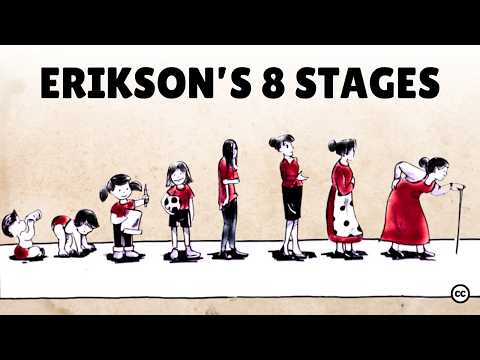
You know, figuring out who you are can feel like a puzzle that’s missing all the corner pieces. We’ve all been there, right?
Erik Erikson had this cool idea about identity crises. It’s like this ongoing struggle we all face at different times in our lives.
Sometimes, it hits you in your teens, when everyone’s trying to fit in or stand out. Other times, it sneaks up on you when you’re an adult—maybe during a job change or a big move.
So, what’s the deal with these identity crises? How do they mess with our mental health? Let’s chat about that and see if we can make sense of it together!
Understanding Identity Crisis: Is It a Mental Illness or a Normal Phase of Life?
People often find themselves tangled in what’s called an **identity crisis**. So, what is it? Basically, it’s that feeling of confusion about who you are, your values, and your place in the world. You might be thinking, “Is this a real mental illness or just something everyone goes through?” Well, let’s break it down.
First off, an identity crisis isn’t classified as a mental illness per se. It’s more of a **normal developmental phase**. You know how sometimes you change your hairstyle or wardrobe because you feel different inside? It’s kind of like that! Erik Erikson, a well-known psychologist, described this stage as part of his theory on psychosocial development. He said that during adolescence and young adulthood people grapple with figuring out their identity.
Imagine being at a crossroads in life—like after high school or during major transitions. You’re trying to define yourself outside the influences of family or friends. It’s super common to question: “Am I making the right choices?” Or “What do I really want out of life?” This confusion can pop up during other significant moments too—like starting a new job or going through a breakup.
Sometimes, this exploration leads to stress and anxiety. But here’s where things get tricky. If the feelings become overwhelming and lead to persistent sadness or withdraw from daily activities for an extended period, it might hint at something deeper like **depression** or **anxiety disorders**.
In these cases, seeking help from a professional can be beneficial. A therapist can guide you through understanding your feelings better and help separate what’s normal from potentially harmful patterns.
So let’s break this down a bit further:
- Normal Development: An identity crisis is part of growing up; everyone experiences it.
- Triggers: Major life changes like graduation or moving can kickstart this phase.
- Main Questions: You’ll likely ponder who you are and what your goals are.
- When to Seek Help: If confusion turns into long-term distress, connecting with a therapist is wise.
You’re not alone if you’re feeling lost sometimes; it happens more than people realize! The great news is that figuring out your identity can lead to personal growth and fulfillment in the long run—it’s all part of the journey!
Understanding Identity Crisis: Real-Life Examples and Insights
Identity crisis can feel like a rollercoaster ride, right? You might find yourself questioning who you really are, or where you fit in the world. It’s super normal, and honestly, everyone goes through it at some point in life. Erik Erikson’s theory of psychosocial development is one helpful way to understand this chaotic process. He believed that between the ages of 12 and 18 is when most teens wrestle with their identity vs. role confusion. But it doesn’t stop there! You can hit those bumps at different life stages too.
What Exactly Is an Identity Crisis?
An identity crisis occurs when you start doubting your sense of self and your role in society. It can happen due to various life changes—like graduating from school, moving to a new city, or even becoming a parent. It’s when you realize maybe what you’ve been doing isn’t who you really are anymore.
Real-Life Example
Imagine someone named Sarah who just graduated college. She thought she’d always work in marketing. But once she landed that job, it didn’t feel right—like wearing shoes that are too tight. She starts questioning if she should pursue art instead or travel for a year. That’s where her identity crisis kicks in; she’s torn between expectations and her desires.
The Stages of Identity Development
Erikson broke down the process into stages:
It’s all about figuring out where you fit in—and trust me, it’s not linear.
Mental Health Connection
When going through an identity crisis, mental health can take a hit. Anxiety and depression often tag along for the ride since you’re dealing with uncertainty about your future or past choices. You might feel lost or insecure about your decisions which is totally understandable!
Another real example here could be James, who just turned 30. He thought he’d have settled down by now—family and career locked in—but instead feels adrift in his singlehood while his friends seem to be thriving with families and careers. This triggers another wave of questioning: “Am I doing life wrong?” That spiraling thought pattern isn’t fun at all.
Navigating Through It
So how do we chart our course back to solid ground?
Embracing change helps carve out new identities based on lessons learned through experiences.
In the end, remember that an identity crisis isn’t some huge failure; rather it’s part of being human—a chance for growth! So while it may feel like chaos now, you’re likely laying down the groundwork for who you’ll become next!
Understanding Identity vs. Role Confusion: Real-Life Examples and Insights
Identity and role confusion are, like, super important concepts when you think about mental health. They come from Erik Erikson’s stages of psychosocial development, which is basically a fancy way of saying how we grow and change throughout our lives. So let’s break down these ideas into digestible pieces, explore them with some real-life examples, and see how they impact our mental health.
Identity vs. Role Confusion is all about figuring out who you are versus feeling lost. Basically, identity formation happens during adolescence and early adulthood—think about your teenage years or maybe even your college days. You’re trying to understand yourself: what you believe in, what interests you, and who you want to be. When you’re stuck in role confusion, it feels like you’re wandering through a maze without a map.
Imagine Sarah. She’s a high school senior who loves art but ends up applying to business schools because her parents want her to follow a more traditional path. She’s pulled between what she wants (being an artist) and what her parents expect (a stable job). This push and pull creates anxiety for Sarah. Her identity gets clouded by other people’s expectations. You can totally see how this might lead to stress or depression if it goes on too long.
Another example could be Matt, who just graduated from college with a degree in engineering but feels empty because he never really enjoyed the subject matter. He thought he was supposed to pick this career because it was “practical.” Now he’s stuck wondering if he should pursue his passion for music instead but fears disappointing his family or friends who expect him to be successful in that engineering job. You get the picture: the struggle between personal desires and societal pressures is real.
When people face identity confusion for too long, it can really start impacting their mental health. It may lead to feelings of inadequacy or lack of purpose—like floating through life without any direction at all! That’s where the role confusion kicks in hard—you’re not just unsure about your identity; you’re also struggling with the roles you play in society or how others see you.
Now, let’s not forget that resolving this conflict doesn’t happen overnight; it takes time! As we navigate through different experiences—whether they’re relationships, jobs, or personal interests—we often get closer to understanding ourselves better.
In therapeutic settings, helping someone with identity issues might involve exploring their past experiences, values, and beliefs that shape who they are now. Therapists often guide individuals towards self-acceptance while encouraging them to embrace their unique paths without pressure from outside forces.
In summary, identity vs. role confusion is an ongoing journey that’s crucial in understanding ourselves and our place in the world around us. Whether it’s navigating parental expectations like Sarah or finding passions like Matt did later on in life—we all face these challenges at some point! By recognizing this struggle early on and seeking support when needed, we pave the way for healthier mental well-being as we grow into adulthood—and beyond!
Navigating Erikson’s concept of identity crisis can be like trying to find your way in a thick fog. You know there’s a path ahead, but sometimes it feels like you’re just wandering around, not sure where you’re going or even who you are. Erik Erikson, the guy behind this idea, proposed that as we grow up, we go through several stages that shape us—like a series of checkpoints in our lives. Each stage brings its own challenges and resolutions; the thing is, if we get stuck at any point, it can lead to an identity crisis.
You might remember a time when you felt totally lost about who you were. A friend of mine went through this during college—she switched majors three times and felt like she was drifting aimlessly. She wondered if she’d ever figure it all out and often felt overwhelmed by the pressure to have everything sorted. That feeling can be so heavy, right? Identity crises can hit hard at different life stages—teenage years are classic for this, but they can pop up later too.
When people struggle with their identity, it often connects to mental health struggles as well. It’s like being tangled in a web: anxiety about figuring out your place in the world can magnify feelings of depression or self-doubt. If you’re questioning who you are or your purpose in life, it’s easy to feel isolated or anxious because society tends to celebrate those who seem sure of themselves.
But here’s where it gets hopeful! Navigating through these identity issues can lead to growth and self-discovery. It might help to reach out for support—like friends or a therapist—to talk things through. Having someone else help you sort out those feelings can make all the difference. Just remember: finding yourself isn’t always a straight path; it twists and turns along the way.
You know what? If you’re feeling lost right now, it’s totally okay! Take your time with this journey. Embrace the messiness of finding yourself because sometimes those rough patches are what lead to important revelations about who you truly are.