You know, growing up is a trip. Seriously, it can feel like climbing a mountain sometimes. One minute you’re on top of the world, and the next, you’re stuck in a valley of confusion.
Erik Erikson had this cool theory about how we develop our identities through different stages in life. It’s like each phase is a new level. Each comes with its own challenges and adventures.
But here’s the thing: when we hit those tough moments—like a crisis—it really tests us. How do you bounce back? How do you find out who you really are? Let’s break down this wild journey together and see how resilience plays its part in finding your true self during those youth years. Sounds good?
Understanding Erikson’s Stage Theory of Identity: A Comprehensive Guide to Developmental Psychology
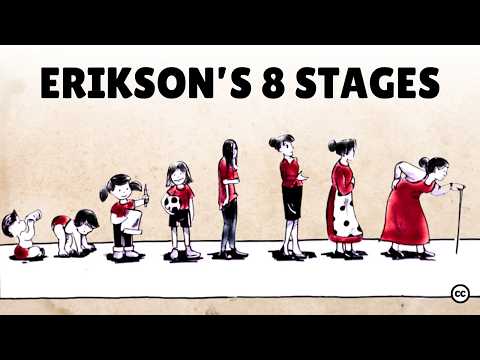
Understanding Erikson’s Stage Theory of Identity is super important when we talk about how people develop throughout their lives. So, Erik Erikson, a pretty influential psychologist, created this theory that breaks down human development into **eight stages**. Each of these stages comes with its own challenges and tasks to solve.
1. Trust vs. Mistrust (0-1 year): This is all about babies learning to trust their caregivers. If they get consistent love and care, they grow up feeling secure. Otherwise, they might develop a sense of fear or mistrust in the world.
2. Autonomy vs. Shame and Doubt (1-3 years): Toddlers start asserting their independence here. If parents encourage them to explore and make choices, they’ll feel confident; if not, they might feel shame for their desires.
3. Initiative vs. Guilt (3-6 years): Kids begin initiating activities and asserting control over their environment—like playing pretend or making art projects. Support here cultivates initiative; harsh criticism leads to guilt over taking action.
4. Industry vs. Inferiority (6-12 years): This stage revolves around school and social interactions where children learn skills and engage with peers. Success builds confidence; failure can lead to feelings of inferiority.
Now we get into the teen years, which are crucial for identity development:
5. Identity vs. Role Confusion (12-18 years): Here’s where the magic happens! Teens wrestle with questions like “Who am I?” They explore different roles through activities, friendships, or even fashion choices. Success leads to a strong sense of self; failure can result in confusion about their identity.
Think about it: imagine a teenager trying out different hobbies—like sports, music, or activism—to figure out what feels right for them. Their successes help shape who they think they are moving forward.
6. Intimacy vs. Isolation (young adulthood): Now it’s all about forming deeper relationships—romantic ones or close friendships—based on that solid identity foundation built earlier on. If successful here, you develop meaningful relationships; if not, isolation might creep in.
Then there’s:
7. Generativity vs. Stagnation (middle adulthood): At this point, adults often focus on contributing to society through work or parenting—creating something that’ll outlast them! Success leads to feelings of accomplishment; stagnation can lead to self-absorption.
Lastly:
8. Integrity vs. Despair (late adulthood): In this stage, people look back on their lives and reflect on what they’ve accomplished—or haven’t accomplished—in terms of leading a meaningful life if there’s contentment it leads to integrity; if regret dominates? Well…that brings despair.
Erikson’s theory shows us that **identity** isn’t just formed once; it’s like this ongoing process throughout our lives where each stage influences the next one—and some moments can be tougher than others!
Now let’s get into how these stages connect with **crisis resilience** in youth:
When teens successfully navigate the identity versus role confusion stage, they’re more likely to develop resilience against crises later in life because they’ve got a solid grounding in who they are and what they want from the world around them.
Supporting teens during this critical time can make such a huge difference! Encouragement from parents and mentors goes a long way in helping them feel safe as they explore different identities without feeling lost or pressured.
Basically? Erikson’s Stage Theory isn’t just some academic thing—it’s like a roadmap for understanding how we grow up and deal with challenges along the way!
Understanding the 4 Stages of Identity Crisis: A Guide to Navigating Your Self-Discovery Journey
Alright, let’s chat about something that hits pretty close to home for many of us: identity crises. You know, those moments when you feel lost or unsure about who you are? That can be tough. But here’s the deal—understanding the stages of an identity crisis can really help you navigate your way through it.
Stage 1: Confusion
The first stage is all about confusion. You might feel overwhelmed by choices and experiences. Think back to those adolescent years when you were trying on different identities like outfits. One day, you’re a punk rocker, and the next, you’re all about the preppy look. It’s like being in a whirlwind of “Who am I?” One real-life example could be a college student who switches majors multiple times before settling on one. It feels chaotic, but it’s just part of figuring things out.
Stage 2: Exploration
Next up is exploration. So, after that initial confusion, you start digging deeper into who you might want to be. This is where people try new things—maybe they join clubs or pick up hobbies that resonate with them. Like maybe someone who was super shy finds their groove in acting class! You’re experimenting with different roles and lifestyles, slowly piecing together what truly speaks to you.
Stage 3: Commitment
Then comes commitment. After exploring various options and figuring out what fits best, it’s time to make some choices! This could involve deciding on a career path or forming lasting relationships based on your true self. For instance, let’s say after trying different jobs in college, someone commits to becoming a teacher because they realize how passionate they are about education and helping others grow.
Stage 4: Integration
Finally, we have integration—where all those experiences come together as part of your identity tapestry! Here’s where it gets cool; you’re not just one thing anymore; you’ve woven together bits of everything you’ve learned along the way into a cohesive identity. Picture someone who has explored various cultures through travel and then integrates those experiences into their daily life—maybe cooking international dishes or advocating for cultural appreciation.
Navigating an identity crisis can feel intimidating at times—but guess what? It happens to everyone at some point in their lives! It’s totally normal to question yourself as you transition through these stages. Resilience plays a huge role here too—it helps when things get tough during this self-discovery journey.
So remember these stages when you’re feeling unsure about yourself next time; it’s all part of becoming who you’re meant to be! And seriously? You’re not alone in this journey—everyone’s figuring it out as they go along too!
Understanding Erikson’s Fifth Psychosocial Crisis: Key Insights and Resolution Strategies
Erik Erikson was this super insightful psychologist who came up with the idea that we all go through different stages in our lives, each with its own challenges. His fifth stage, which kicks in during adolescence, is all about identity versus role confusion. This is like a major deep dive into who you are and where you fit in the world.
So, when you’re a teenager, everything feels like it’s changing. You’re trying to figure out your values, your beliefs, and even what kind of friends you want to keep around. It’s that time when everything feels like it counts, and honestly? It can be really overwhelming.
In this stage, the key insight is that figuring out your identity isn’t just about choosing a career or a style of dress; it’s also about establishing a sense of self that you can carry into adulthood. You start to ask yourself questions like: “Who am I?” and “What do I want?”
But here’s the kicker: if you can’t figure it out or if you feel pressured to be something you’re not? That leads to role confusion. Basically, instead of feeling confident in who you are, you might feel lost or unsure.
Now let’s move on to some resolution strategies because navigating this crisis can be tough! Here are some things that might help:
- Self-Exploration: Spend some time reflecting on what truly matters to you; try journaling your thoughts.
- Talk It Out: Having discussions with friends or trusted adults can provide new perspectives; don’t underestimate how much talking helps!
- Be Open: Explore new activities or hobbies; sometimes just trying new things helps clarify who you are.
- Acknowledge Feelings: It’s okay to feel confused; accepting those feelings instead of fighting them can ease some pressure.
- Seek Professional Help: Therapists can really guide during tough times—nothing wrong with getting extra support!
To put this all into perspective: Imagine you’re at an ice cream shop for the first time. There are so many flavors! You might get stuck staring at them thinking, «What do I even want?» That’s normal! The important part is tasting different flavors—talking to people you trust and trying stuff out—until one day you find your favorite flavor (your identity) that makes sense for YOU.
So yeah, Erikson’s fifth stage deals with big questions and even bigger emotions. Navigating through this phase takes time and patience but reflecting on your experiences will definitely help clarify who you’ll become later on!
You know, when you think about it, growing up is like navigating through a maze. At every turn, there’s some new challenge or question about who you are, right? That’s kind of what Erik Erikson was getting at with his stages of psychosocial development. He really nailed it when he described how identity forms during youth.
So, let’s take a second to reflect on that. Imagine being in high school, feeling like everyone expects you to have it all figured out. That was me—trying on different identities like I was testing clothes in a store. One day I was the studious nerd, and the next, I wanted to be the cool kid everyone looked at. It was exhausting! But that’s where Erikson’s stages come into play. He talked about how navigating these identities is not only normal but essential for developing resilience.
In those formative years, we face crises—like figuring out our values, beliefs, and where we fit in this vast world. It can feel overwhelming, but tackling these crises builds resilience. You learn from stumbling through awkward interactions or failed friendships. Each little setback is actually preparing you for tougher battles later on in life.
I remember a friend who struggled with her identity all through high school because she felt torn between her family’s expectations and who she actually wanted to be—a total classic Erikson moment! It wasn’t easy for her; she faced some serious challenges trying to reconcile those different parts of herself. But over time, she built this incredible resilience. She learned how to stand up for herself and carve out her own path.
What’s fascinating is that the process doesn’t stop once you graduate or hit adulthood; it’s ongoing. Life throws curveballs your way even as an adult—job changes, relationships shifts—you name it! So embracing your identity crises when they come up? That’s like adding tools to your emotional toolbox.
Ultimately, knowing that these struggles are part of the journey makes things a bit easier. Each crisis isn’t just something to push through; it’s an opportunity for growth and finding out more about yourself—a chance to bounce back stronger than before! It’s all about building that inner strength while figuring out what makes you unique along the way.