Hey there! Let’s chat about mental health for a sec. You ever think about how much our past shapes us? Seriously, it’s wild!
You know, there are these things called risk factors. They’re basically pieces of our lives that can make mental health stuff trickier. Like if you had a tough childhood, or maybe a history of trauma?
Understanding these risk factors can really change the way we see ourselves and how we get help. It’s like shining a light in some dark corners of your mind. So, let’s break it down together and see what it all means!
Comprehensive Mental Health Risk Assessment PDF: Essential Tools for Understanding Well-Being
Mental health risk assessments are critical tools that help professionals gauge a person’s mental well-being. They take into account various factors, uncovering potential risks and vulnerabilities. You might wonder: what’s included in these assessments? Well, they can be a mix of self-reports, interviews, and sometimes even standardized questionnaires.
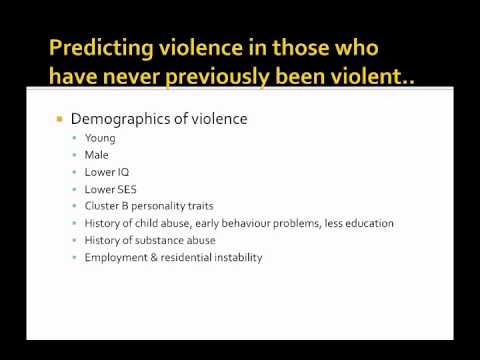
One major component is the **evaluation of risk factors**. This means looking at elements like:
But why do we need a comprehensive assessment? Think of it this way: if you’re feeling off, it’s like driving with a warning light on your dashboard. You need to know what’s wrong to get it fixed! A thorough assessment helps pinpoint specific areas that need attention.
Now, let me share an example that’s all too common. Imagine someone named Sarah. She recently lost her dad and started isolating herself from friends. If a clinician conducts a risk assessment, they’ll not only note her recent loss but also explore her family background for any history of depression or anxiety. This info is super helpful in creating a personalized plan for support.
And if you’re looking at this from the perspective of gathering information, some tools are really essential. Checklists and rating scales give structured ways to evaluate things like mood swings or behavioral changes over time. They also offer insights into how someone views themselves compared to other people—this is where self-perception plays a big role.
The *toolkits* used in these assessments might include validated forms such as the Beck Depression Inventory or the Generalized Anxiety Disorder Scale (GAD-7). These instruments deliver benchmarks for clinicians to measure symptoms against.
After all that data’s collected, what’s next? Ideally, you would use it to craft individualized strategies for treatment or intervention. It’s not just about identifying problems; it’s about finding paths forward—whether through therapy options, medication considerations, or lifestyle adjustments.
In short, comprehensive mental health risk assessments serve as roadmaps for better understanding our emotional landscapes. They highlight areas needing focus and clarify how someone can achieve better well-being over time. It’s all about getting you back on track—just like fixing that car!
Comprehensive Mental Health Risk Assessment Questionnaire: Enhance Your Well-Being Today
Understanding mental health can feel like trying to solve a puzzle, right? Each piece matters. One of those pieces is the **Comprehensive Mental Health Risk Assessment Questionnaire**. This tool helps you identify potential risk factors that could impact your emotional well-being. It’s like holding up a mirror to see what’s really going on inside your head.
So, what’s the deal with these assessments? They’re designed to evaluate different aspects of your mental health. A questionnaire can ask you about past experiences, current feelings, and even how you cope with stress. It’s all about getting a full picture of where you are mentally.
Why should we care about these questionnaires? Well, they help in spotting issues before they spiral out of control. Let’s say someone’s been feeling unusually anxious or sad for weeks—answering questions in this assessment can shine a light on those feelings and suggest the next steps.
You might wonder what kind of questions are included. Here are some common areas they’re probing into:
- Family History: Do mental health issues run in your family? If yes, that can be a red flag.
- Personal History: Have you experienced trauma or significant loss? These moments can leave scars.
- Coping Mechanisms: How do you handle stress? Those habits play a big role in your overall mental health.
- Substance Use: How often do you turn to alcohol or drugs when feeling down? It might be more than just social drinking.
I remember a friend who took one of these assessments after weeks of feeling overwhelmed at work. The results showed she had high levels of anxiety tied to perfectionism—a key factor she hadn’t connected before. This clarity helped her discuss options with her therapist based on real insights.
Now, it’s essential to remember that no assessment is perfect! They’re just one tool among many—kind of like finding an occasional missing piece rather than completing the whole puzzle.
The goal here is improvement. After taking the questionnaire, it’s crucial to take those findings seriously. Whether it means changing up how you deal with stress or seeking professional help, knowing where you stand is half the battle.
In short, using something like a Comprehensive Mental Health Risk Assessment Questionnaire gives you insight into your emotional landscape and highlights areas that need attention for better well-being today and in the future! So if you’re feeling uncertain about your mental health journey, maybe it’s worth exploring this tool as part of it—you never know what might surface!
Comprehensive START Risk Assessment PDF: Essential Tools for Mental Health Evaluation
When you’re diving into mental health evaluations, it can get a bit tricky, right? Evaluating risk factors is a huge part of the process. One essential tool that pops up here is the **Comprehensive START Risk Assessment**. This tool helps clinicians understand and gauge risks in different areas like self-harm, harm to others, and other troubling behaviors.
So, what’s the deal with this START assessment? Well, it’s designed to be a structured way to look at past behaviors and current situations. It combines both qualitative and quantitative data, which means you get a well-rounded view of a person’s mental health status.
- Structured Approach: The START uses specific criteria for evaluating risk factors. This helps avoid missing important details.
- Individualized: Each assessment is tailored to the person being evaluated. No cookie-cutter approach here!
- Focus on Strengths: While it looks at risks, it also highlights personal strengths that might help mitigate those risks.
Picture this: You’re chatting with someone who’s been feeling really down lately. Instead of just asking them if they feel suicidal or if they’ve hurt anyone, the START lets you dive deeper into their life context — things like their support system or any coping mechanisms they might have.
It’s not just about ticking boxes; it’s about understanding where someone is coming from. And that understanding can prevent potential dangers before they escalate.
The assessment also emphasizes ongoing evaluation. Mental health isn’t static; it changes with time and circumstances! So using tools like START means regularly checking in on how things are evolving.
Another cool thing about the **START Risk Assessment** is its flexibility across different settings — whether it’s in hospitals, community clinics or even schools! Each place has unique needs but that doesn’t mean one method can’t fit them all—it’s adaptable!
However, it’s important to mention that while this tool is super helpful for capturing various aspects of risk, it’s not foolproof. It needs to be paired with clinical judgment and other assessments for top-notch evaluations.
In short, using something like the Comprehensive START Risk Assessment gives you an essential framework for assessing mental health risks while allowing room for individual nuances. It makes conversations about mental health safer and more productive by focusing on both challenges and resources available for each person involved. That’s pretty vital when supporting someone who might really need it!
When you think about mental health assessments, it’s easy to picture those clinical settings, right? You know, the ones with the soft lighting and soothing colors. But there’s way more going on behind the scenes. Evaluating risk factors in these assessments is like peeling back layers of an onion. It can be messy and occasionally tear-inducing, but there’s a ton of valuable stuff inside.
Risk factors are basically those things that can increase the chances of someone developing a mental health issue. They can be anything from genetic predispositions to environmental stresses, like trauma or significant life changes. Take Sarah, for instance—a friend of mine who struggled with anxiety after going through a rough breakup. She had some past family issues that didn’t help either. In her case, we could see how a mix of personal history and current stressors created this perfect storm.
So, when professionals sit down for an assessment, they’re not just checking boxes on a form. They are digging deep into someone’s life story—what’s happened before, what’s happening now—and potentially what could happen next. It’s about connecting the dots and figuring out where vulnerabilities might lie.
But here’s the kicker: not everyone reacts in the same way to similar risk factors. I mean, you know folks who’ve faced heavy stuff yet come out shining on the other side—stronger than ever? Others might seem fine but struggle internally in silence. That variability is why assessments are crucial; they help tailor approaches that suit individual needs rather than applying one-size-fits-all solutions.
And let’s not forget—evaluating risk isn’t all gloom and doom! It can also spotlight resilience factors—the positive traits or support systems that help people bounce back from tough times. Maybe it’s a great circle of friends or a passion for music that helps someone cope better than expected.
In the end, thinking about risk factors helps us get a clearer picture—not just for diagnosis but for building action plans too. So next time you hear “risk factor,” remember it’s about navigating challenges while finding paths toward healing—and hey, everybody deserves that shot at feeling whole again!