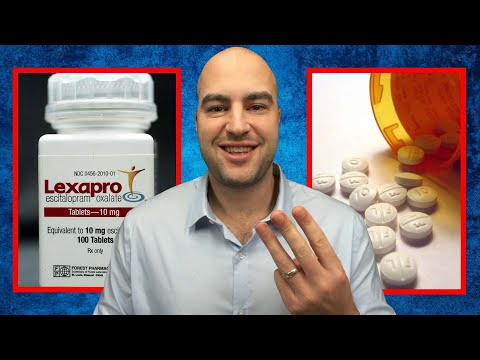
So, you’ve been hearing about Escitalopram, huh? That little pill that can help with anxiety and depression.
But, like, what about the side effects? You might be thinking: “Is this really worth it?” I mean, it’s super common to have a ton of questions when it comes to meds.
I remember chatting with a friend who was nervous about starting medication. She worried about how it might change her mood or energy levels. And honestly? That’s totally normal!
Let’s take a peek at what you might experience if you go down this road. It’s all about finding what works best for you and your mental health.
Understanding the Connection Between Lexapro and Headaches: What You Need to Know
Alright, let’s talk about Lexapro, which is also known as escitalopram. It’s a common medication used to treat depression and anxiety. But here’s the thing: it can come with some side effects. One of those side effects, which can really bug you, is headaches. But why does this happen?
First off, what’s the deal with Lexapro? It works by helping to balance a chemical in your brain called serotonin. This is important because serotonin plays a big role in mood regulation. So when you take it, you’re usually trying to feel better emotionally.
Now, let’s dive into headaches. Not everyone gets them from Lexapro, but they’re not unusual either. Sometimes when your body adjusts to a new medication, things can feel a bit off for a while—kind of like when you first ride a rollercoaster and your stomach feels all weird afterward.
It’s also super important to consider dosing. If you’re on a lower dose like 5mg and still experiencing headaches after a few weeks? It’s worth chatting with your doctor about it. They might suggest staying on the same dose for longer or maybe adjusting how much you’re taking.
And hey, if the headaches feel intense or different than what you’ve experienced before? You should definitely reach out to your healthcare provider. They can help determine if it’s just part of adjusting or something else entirely.
Keep in mind that everyone’s experience with medication varies greatly—you know? Just because someone else had no side effects doesn’t mean you won’t have any at all!
If you’ve ever felt like life was throwing too many curveballs at once—maybe stress at work combined with trying something new like Lexapro—it makes sense that you’d end up feeling overwhelmed and get those pesky headaches.
Ultimately, connecting with the right healthcare professional can make all the difference in managing these potential side effects while getting better overall mental health support. Always trust yourself… and don’t hesitate to ask questions!
Exploring the Connection: Can Lexapro Cause Acne Breakouts?
So, you’re wondering about the connection between Lexapro and acne breakouts? Yeah, it’s a pretty common thing people think about when starting a medication like escitalopram. Let’s break it down.
First off, Lexapro is an antidepressant in the category of SSRIs, which stands for selective serotonin reuptake inhibitors. The basic idea is to help increase serotonin levels in your brain, which can improve mood. That’s great and all, but like with any medication, there can be side effects.
Now, acne isn’t one of the most typical side effects listed for Lexapro. That doesn’t mean it can’t happen though! Our bodies are unique little ecosystems. The thing is, when you start adjusting your serotonin levels, it can indirectly affect other hormones in your body. Hormonal changes are often linked to skin issues like acne.
Think about this: if you’re feeling stressed or anxious before starting Lexapro and then your mood stabilizes, your body might also be reacting differently to various factors that could lead to breakouts—stress hormones dropping could have an impact on oil production in your skin.
Some people report skin reactions as part of the side effects of SSRIs generally. This could include things like dry skin or rashes too—not just acne specifically! Other factors like diet changes or even the combination with other medications you’re taking could also be at play here.
Here are some things to consider:
- Hormonal Changes: As mentioned before, medication affecting serotonin might throw off hormonal balance.
- Your Skin’s Reaction: Some people find their skin reacts negatively when they start a new med.
- Lifestyle Factors: Stress can lead to bad skin days; if you feel better on Lexapro but your life hasn’t changed much otherwise, this could still trigger breakouts.
- Diet: If you change what you eat while on the medication (maybe snacking more mindlessly?), that too could lead to skin issues.
Let’s talk about something real quick: anxiety and depression themselves can affect your skin too! When you’re dealing with mental health struggles, stress often shows up on our faces in not-so-fun ways.
If you’re thinking about starting Lexapro or you’ve noticed some bumps showing up after beginning treatment—don’t panic. It’s super important to talk with your doctor about any side effects you experience. They might suggest adjusting your dosage or trying something different if it’s really bothering you.
Remember that many folks take SSRIs without experiencing significant issues with their skin at all! Some find actually their skin improves because they feel less stressed overall.
So yeah, keep an eye on how you’re feeling both mentally and physically while taking Lexapro and don’t hesitate to reach out for help if it’s getting overwhelming! Your well-being matters—inside and out.
Understanding the Connection Between Lexapro and Heart Palpitations: What You Need to Know
Understanding the connection between Lexapro, heart palpitations, and mental health can be a bit… complicated. You might be wondering why some people experience heart palpitations while on Lexapro (which is a brand name for escitalopram), even though it’s generally used to help with anxiety and depression. So, let’s break it down.
First off, **Lexapro is an SSRI** (selective serotonin reuptake inhibitor). It works by increasing serotonin levels in your brain. This is a good thing because serotonin plays a big role in regulating mood. But, like anything else, there can be side effects.
Now, let’s get into heart palpitations. These are those feelings where your heart seems to race or flutter—not exactly what you want when you’re trying to chill out from anxiety or depression.
Here’s the thing: about 10% of people might feel some side effects when they start taking Lexapro. Heart palpitations can be one of them. They are usually not serious but can be unsettling, you know? Some folks might even feel extra anxious because they notice their heart racing, which just makes everything worse.
So, what could be causing these palpitations? Here are some key factors:
- Dosage: Sometimes starting off at a higher dose can trigger these feelings.
- Withdrawal: If you’ve recently stopped taking other medications or SSRIs, that could lead to palpitations.
- Anxiety: Strong feelings of anxiety itself can lead to noticing your heartbeat more.
- Caffeine: Your morning cup of joe or that energy drink might give you those extra jitters.
Let me tell you about Jenna—a friend of mine who started taking Lexapro for her anxiety. In her first few weeks on the medication, she noticed her heart racing unexpectedly during work meetings. She thought it was an intense caffeine kick at first! But after talking with her doctor, she learned that what she was feeling was related to the medication adjusting her system.
Now, if you ever do experience heart palpitations while on Lexapro—or any meds—it’s super important not to just brush it off. Reach out to your healthcare provider! They might suggest adjustments or monitor your symptoms more closely. It’s all about finding what works for you without compromising how you feel physically.
So, you’re thinking about escitalopram? I get it. Maybe you’ve heard it’s helpful for anxiety or depression, but before jumping in, it’s super important to chat about the potential side effects and how they might play into your mental health picture.
First off, escitalopram is an antidepressant from the SSRI family—basically a fancy term for selective serotonin reuptake inhibitor. It works by increasing serotonin levels in your brain, which can help lift your mood. Sounds good, right? But hold up; like any medication, it comes with its own set of side effects.
Common ones include nausea, fatigue, and trouble sleeping. Some people even notice changes in appetite or weight. I once knew a friend who started taking it and felt queasy for the first couple of weeks. It was rough! They really struggled with that until their body adjusted. You see? Everyone’s experience can be totally different.
But here’s where things get a little tricky. Sometimes those side effects can mess with your mental well-being. For example, if you’re already feeling anxious or low-energy due to depression, adding nausea into the mix could definitely ramp up that stress level. That’s why it’s crucial to talk openly with your doctor about how you’re feeling when starting out on something like this.
Sometimes people are also worried about withdrawing from it later on. Stopping suddenly can lead to what they call “discontinuation syndrome.” And let me tell you, that can get messy—things like dizziness or mood swings aren’t exactly what you’d want on top of everything else you’re dealing with!
Mental health is a bit of a juggling act; there are so many factors at play. Mixing meds like escitalopram with therapy often helps create a more stable foundation for healing. It’s not just about finding the right prescription; it’s also about building coping strategies and support systems through therapy or support groups.
At the end of the day, listening to your body is key! If you find yourself struggling with side effects or feeling off-kilter mentally after starting medication, don’t hesitate to reach out for support—not just from docs but also from friends or family who understand what you’re going through.
So if you’re considering escitalopram—or any mental health treatment—just keep these things in mind: be patient with yourself during those initial adjustments and don’t shy away from having those tough conversations about how you’re really doing! You’ve got this!