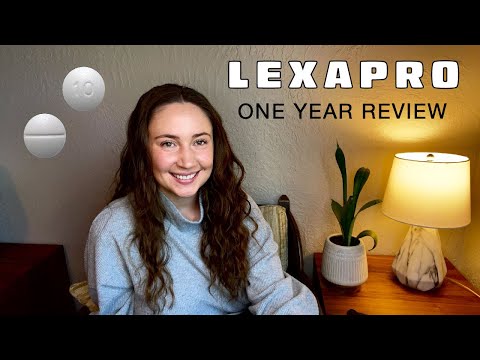
Hey there! So, let’s talk about escitalopram. You might have heard of it before, right? It’s one of those meds people use when they’re feeling pretty low or anxious.
Now, I get it. The whole idea of taking medication for mental health can feel a bit daunting. Like, will it change who you are? Will it help? And what are the side effects? Seriously, it’s a lot to think about.
But here’s the thing: many people find that escitalopram helps lift that heavy weight off their shoulders. It’s not a magic pill or anything, but it can really make a difference in how you feel day to day.
So let’s dive into what this med can do for your mental health and how it might just give your emotional well-being the boost it needs!
Exploring the Impact of Escitalopram on Emotions: What You Need to Know
Escitalopram, which you might know as Lexapro, is a medication that can have a significant impact on your emotions and mental health. It’s primarily prescribed for depression and anxiety. So, what’s the deal with it? Let’s break it down.
How Does Escitalopram Work?
This medication is a selective serotonin reuptake inhibitor (SSRI). That means it helps increase the level of serotonin in your brain. Serotonin is a neurotransmitter that plays a crucial role in regulating mood. Basically, more serotonin can lead to better mood regulation.
Emotional Changes
When you start taking escitalopram, the effects on your emotions can vary widely. Some people feel an immediate lift in their mood within a week or two. Others might notice subtle changes over months. You might find yourself feeling less anxious and more capable of handling everyday stressors.
But wait! It’s not just rainbows and sunshine for everyone. Some folks experience side effects like emotional blunting or feeling «numb.» This doesn’t mean you won’t feel joy or sadness; it’s more like your emotional range gets narrower at first. For some people, this can actually be a relief if they’ve been overwhelmed by intense feelings.
Potential Side Effects
So what else should you know? Here are some common side effects:
- Headaches
- Nausea
- Sleeplessness or drowsiness
- Weight gain or loss
- Sexual dysfunction
These can be annoying, but most people find that they improve with time.
Anecdote Time!
Let me share a quick story about my friend Sam who started escitalopram after struggling with anxiety that made social situations almost unbearable for him. At first, he felt really weird—kind of foggy and not quite himself—but after a few weeks, he found himself laughing with friends again without constantly worrying about how he was being perceived. It was like getting back an old part of himself he thought was lost.
Tapering Off Escitalopram
If you ever decide to stop taking escitalopram, it’s important to do so carefully, usually under the guidance of your doc. Abruptly stopping can lead to withdrawal symptoms like irritability and flu-like feelings. Tapering off helps lessen those uncomfortable side effects.
Your Experience Matters
Everyone’s journey with escitalopram is different; what works well for one person might not do much for another. It’s super important to communicate openly with your doctor about how you’re feeling—both emotionally and physically—as you navigate this medication journey.
In summary, escitalopram can be helpful in managing emotions related to depression and anxiety by increasing serotonin levels in the brain. Just remember that while it can lift you up from dark places, there may also be bumps along the way that require patience and support from loved ones or professionals.
Understanding the Long-Term Side Effects of Escitalopram: What You Need to Know
Sure! Let’s dig into the long-term side effects of escitalopram, shall we? This is something a lot of folks wonder about when they start taking it for anxiety or depression.
First off, what is escitalopram? It’s an antidepressant belonging to a class called SSRIs (Selective Serotonin Reuptake Inhibitors). They work by increasing serotonin levels in your brain, which can help lift your mood and reduce anxiety. But like any medication, it comes with its own set of potential side effects.
Common long-term side effects include:
- Weight gain: Some people notice they gain weight over time. It can be frustrating if you’re trying to maintain or lose weight.
- Sexual dysfunction: Issues like decreased libido or difficulty achieving orgasm are pretty common. This can be a tough one to talk about!
- Drowsiness or fatigue: While some might feel energized, others report feeling tired and sluggish after extended use.
- Anxiety rebound: A few folks even find their anxiety returning after stopping the medication!
Now, let’s break these down a bit.
So, the weight gain thing? It’s not just about calories. Escitalopram can mess with metabolism. You might think you’re eating right but still see numbers creeping up on the scale.
Then there’s the sexual dysfunction bit. Imagine enjoying a lovely date night but feeling completely disconnected when it comes to intimacy because of the med. That’s tough!
Feeling drowsy or fatigued can really put a damper on your daily life too. You know how you want to feel refreshed and ready to tackle the day? Well, that may not happen if you’re constantly yawning.
And regarding anxiety rebound—what happens here is that when you stop taking the medication suddenly, symptoms might return stronger than before. Sounds unfair, right?
It’s also worth noting, some people don’t experience any major long-term side effects at all! Everyone’s body responds differently to meds, so you might find escitalopram works great for you without pesky aftereffects.
Lastly, always keep an open line of communication with your doctor or therapist about what’s going on while you’re on this medication. If something feels off, like really off—a quick chat could lead to finding alternatives or adjustments that are better suited for you.
So yeah, being aware of these long-term effects helps keep everything in check and makes sure you’re getting what you need from treatment!
Exploring the Effects of Escitalopram: Can It Cause Personality Changes?
Escitalopram, often known by its brand name Lexapro, is an antidepressant commonly used to treat anxiety and depression. It falls under the class of medications called SSRIs, or selective serotonin reuptake inhibitors. These meds work by increasing serotonin levels in the brain, which can help improve your mood. But you might be wondering, can this medication really change your personality? Let’s dig deeper into that.
First off, it’s important to clarify what we mean by “personality changes.” Like, are we talking about someone becoming totally different? Or are we looking at subtler shifts in mood and behavior? Well, some people taking escitalopram report feeling more stable emotionally. Imagine waking up and not feeling that heavy cloud of anxiety hanging over you every day. That’s a big deal!
However, not everyone experiences these effects the same way. Some folks say they feel more “themselves” after starting escitalopram—like they’re back to their old selves. This can be super liberating. On the flip side, there are reports from others who claim they feel kind of numb or less engaged with things they once loved. Like a friend of mine who took it for a while said she felt like she was on autopilot, just going through the motions without feeling much joy.
Now, it’s essential to consider how individual differences play a role. Each person’s brain chemistry is unique. What works wonders for one person might not do much for another—and that includes personality changes. So if you’re taking escitalopram and noticing shifts in how you respond emotionally or even socially, it could be related to the medication balancing out those overwhelming feelings.
Moreover, some people worry about side effects when starting any new medication. Commonly discussed issues include changes in appetite or sleep patterns but changes in personality aren’t as openly talked about—probably because they’re trickier to define!
There’s also a chance that sometimes it might amplify traits rather than change them completely; like if you’re naturally shy and then become less anxious on medication—you might find yourself being more open and social than usual! It’s like peeling back layers that were once so heavy.
Lastly, communication with your healthcare provider is key if you’re concerned about any potential changes you’re noticing while on escitalopram. They can help navigate what feels significant versus what’s just part of adjusting to a new medication.
So yeah, while escitalopram can lead to some emotional shifts and adjustments in behavior—maybe not dramatic personality changes—it’s all about finding that balance so you feel more like yourself without those overwhelming feelings dragging you down.
Alright, let’s chat about Escitalopram, which is one of those antidepressants you might hear about when folks are dealing with anxiety or depression. You know how life can sometimes throw us curveballs that mess with our heads? That’s where this medication comes into play.
So, Escitalopram is a selective serotonin reuptake inhibitor (SSRI). Basically, it helps boost the levels of serotonin in your brain. Serotonin is like this little chemical messenger that’s super important for mood regulation. If you’re feeling down or anxious, it can feel like you’re stuck in a fog. And honestly? It’s no fun at all.
I remember talking to a friend who had been on it for a while. At first, she was hesitant because of all the stigma around taking meds for mental health. But after getting through those first few weeks—where she had some nausea and weird dreams—she started to notice a shift. It was subtle at first. She said she felt a little lighter, like someone had lifted the weight off her shoulders just enough so she could breathe again.
But here’s the thing: not everyone has the same experience. While some folks start to feel more ‘like themselves’ after just a few weeks on Escitalopram, others might not feel any difference at all or could have some side effects that just aren’t worth it, like trouble sleeping or feeling super tired during the day. It’s definitely a mixed bag!
Emotionally speaking, there’s this delicate balance when you’re on meds like these. They can help stabilize your mood and make therapy more effective because you’re less overwhelmed by anxiety or low moods. But you also have to engage with your feelings instead of numbing them out completely—that’s important! You want to be able to process what’s going on inside so you can grow and heal.
In the end, it really boils down to personal choice and what works for you as an individual. Medication isn’t a magic pill; it’s one piece of the puzzle alongside therapy, support from friends and family, lifestyle changes—like exercise and better sleep—and all those other things that contribute to mental wellness.
So if you’re considering Escitalopram—or already taking it—just know you’re not alone in this journey. It helps to stay informed and communicate openly with your doctor about how it’s affecting you emotionally and mentally. Each story is unique; yours is too!