So, let’s talk about escitalopram, shall we? You know, that medication that can help with anxiety and depression.
Now, here’s the thing. If you’re pregnant or thinking about getting pregnant, it can get a bit tricky. It’s like walking a tightrope between taking care of your mental health and the well-being of your baby.
You might be wondering: Is it safe? What should I consider? Seriously, these are big questions! And honestly? It can feel overwhelming. But you’re not alone in this, and there’s plenty to unpack.
Let’s dig into what you need to know about escitalopram during pregnancy and how it all connects to your mental health. Sound good?
Safest Psychiatric Medications for Expecting Mothers: A Guide to Mental Health During Pregnancy
Having a baby is this wildly emotional journey, and if you’re dealing with mental health challenges during your pregnancy, it can feel even more overwhelming. A lot of expecting moms wonder about the safety of psychiatric medications like escitalopram, especially since mental health is so crucial for both you and your baby.
Escitalopram, which is in the selective serotonin reuptake inhibitor (SSRI) family, is often prescribed to help with anxiety and depression. You should know that managing your mental health during pregnancy is key; feeling mentally well can really influence your baby’s development. But, yeah, it’s also super important to think about any risks involved when taking medication.
When discussing escitalopram, research shows mixed results. Some studies point out that it might increase the risk of certain issues like preterm birth or low birth weight, but others argue that untreated depression or anxiety brings its own risks, like difficulties with bonding or increased postpartum complications.
Here are some considerations when thinking about taking escitalopram during pregnancy:
- Consult Your Doctor: Always talk to your healthcare provider first. They can give you personalized advice based on your history.
- Assess Risks vs Benefits: If you’ve had a good response to escitalopram before, weigh how much you might struggle without it against potential risks.
- Monitor Symptoms: Regular check-ins with your doctor can ensure that any decisions made continue to be the right ones for you.
- Psychoeducation: Understanding what’s going on with medication and its effects can help ease anxiety and make more informed choices.
It’s no secret that being pregnant comes with hormonal changes and emotional ups and downs. Many moms-to-be find themselves more anxious or depressed because of all the new responsibilities coming their way. For instance, one mom I spoke to said switching from her usual meds to therapy alone was incredibly tough, making her feel overwhelmed at times. That’s why having a solid support system—both medical and personal—is so important.
Now let’s talk about some alternatives if escitalopram feels too risky for you:
- Cognitive Behavioral Therapy (CBT): This approach can help reshape negative thought patterns without meds.
- Lifestyle Changes: Simple things like exercise, balanced diet, and mindfulness practices can work wonders for mental wellness!
- Support Groups: Getting connected with other expecting mothers who are experiencing similar struggles can help reduce feelings of isolation.
Lastly, if you’ve been on escitalopram before getting pregnant and decide to stop using it during pregnancy feel free aware of withdrawal symptoms! That transition period may come with heightened anxiety or mood swings.
So remember: It’s about finding what works best for YOU while keeping an open line of communication with your healthcare team. You’re not alone in this journey; there are options available! Your emotional well-being matters—for both you and that little one growing inside of you!
Understanding the Risks of Antidepressants During Pregnancy: What Expecting Mothers Need to Know
When you’re pregnant, the world seems to throw a million new worries your way. One big one? How antidepressants like escitalopram might affect you and your baby. It’s a delicate dance between managing mental health and ensuring the safest environment for your little one.
First things first: escitalopram, which is often prescribed for depression and anxiety, falls under the category of selective serotonin reuptake inhibitors (SSRIs). These meds work by increasing serotonin levels in the brain, helping to lift your mood. But here’s the kicker: during pregnancy, everything changes.
There are some potential risks associated with taking escitalopram while pregnant that you should be aware of. Research indicates that it could slightly raise the chances of specific complications.
- Preeclampsia: This serious condition can lead to high blood pressure and organ damage. Studies show that SSRIs might increase this risk.
- Birth Defects: Some findings suggest small risks of congenital heart defects or other abnormalities. But these risks are generally low.
- Neonatal Withdrawal Symptoms: Babies born to mothers on SSRIs may experience withdrawal-like symptoms after birth, including difficulty breathing or fussiness.
- Persistent Pulmonary Hypertension: There’s some evidence linking SSRI use in late pregnancy to this rare but serious condition affecting newborns’ lungs.
You might be feeling overwhelmed thinking about all these potentials—you’re not alone! So many expecting moms are navigating this tricky situation. It’s crucial to have open conversations with your doctor about your mental health needs versus these possible risks. Seriously, share your feelings! Your healthcare provider can help you weigh the pros and cons of continuing escitalopram during pregnancy or possibly switching medications if needed.
You know what else is important? Your mental health matters—like, a lot! Studies show that untreated depression during pregnancy can also pose risks, like preterm birth or lower birth weight. If you’ve been feeling really down or anxious, it’s essential not to ignore those feelings either!
Anecdote time: A friend of mine was in this exact boat while she was pregnant. She struggled with anxiety and had been on escitalopram for years. We spent hours talking about her fears regarding the medication and her baby’s health. After chatting with her doctor, she found a balanced plan that let her manage her mental health without overwhelming fear over potential risks. It really helped her feel more in control as she approached motherhood!
The bottom line is this: it’s all about balance—your well-being is so important for both you and your baby. Equip yourself with knowledge and strategies by having those heart-to-heart talks with your medical team; they’re there to help guide you through this journey!
If you have additional questions about specific medications or options available during pregnancy, don’t hesitate to reach out for more guidance! You’re doing amazing by even seeking out this information!
“Understanding the Most Common Mental Health Issues During Pregnancy and Postpartum: A Comprehensive Guide”
Pregnancy can be a wild ride, right? It’s a mix of excitement, joy, and sometimes a whole lot of anxiety. Many expectant moms experience mental health challenges during this time. It’s important to understand what these issues are and how they can impact both mom and baby.
Common Mental Health Issues:
During pregnancy and the postpartum period, you might encounter some common mental health issues like:
- Depression: Around 1 in 7 women face depression during or after pregnancy. It’s not just the baby blues; it’s deeper than that.
- Anxiety: Anxiety disorders can manifest too. You might find yourself worrying excessively about the baby’s health or your ability to be a good parent.
- Post-Traumatic Stress Disorder (PTSD): Some women experience PTSD, especially if there were complications during childbirth. This could come from traumatic experiences in past pregnancies or even previous traumatic events unrelated to pregnancy.
- Obsessive-Compulsive Disorder (OCD): Some women develop OCD symptoms, which can include intense fears about cleanliness or constant checking behaviors.
Feeling overwhelmed? You’re definitely not alone. Pregnancy is a major life transition, and it’s totally normal to have mixed feelings.
The Role of Escitalopram:
Now, let’s talk about Escitalopram. It’s an antidepressant commonly used to treat depression and anxiety disorders. If you’ve been prescribed it during pregnancy, you might be wondering about its safety.
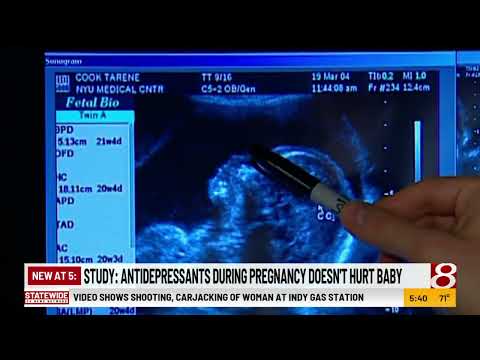
Studies suggest that taking Escitalopram generally doesn’t pose significant risks for the fetus compared to other medications. But—there’s always a «but,» right?—it’s crucial to weigh the benefits against any potential risks. Stopping medication suddenly can lead to worsening mental health issues, which isn’t good for either you or your baby.
Mental Health Considerations:
If you’re considering continuing or starting medication during pregnancy, keep these things in mind:
- Consultation: Always chat with your doctor or a mental health professional about any changes in your medication plan.
- Monitoring: Regular check-ins help track your mental health throughout pregnancy.
- A support system: Lean on family and friends! This is vital because emotional support is key during such a transformative time.
Remember my friend who had her first kid? She was feeling anxious all the time but was scared about changing her meds while pregnant. After discussing it with her doctor—and getting a nice support network together—she found a healthy balance that worked for both her mental well-being and her baby’s safety.
In sum, navigating mental health during pregnancy and postpartum isn’t easy but understanding common issues like depression and anxiety can help prepare you for what’s ahead. And if you’re on medication like Escitalopram? Just keep communication open with your healthcare team—it’ll make all the difference!
So, let’s chat about escitalopram and what it means for expectant mothers. You know, the whole pregnancy journey can be super exciting but also really nerve-wracking, especially when you’re dealing with mental health stuff like anxiety or depression. It’s like your emotions are on this rollercoaster ride, and sometimes you just need a little help to keep things steady.
Escitalopram is one of those medications that can really help folks manage their mood swings and anxious thoughts. But when you’re pregnant? That’s where it gets tricky. There’s always this balancing act between taking care of yourself and considering the little one growing inside you.
I remember a friend of mine who was expecting her first baby. She had been battling anxiety for years and was on escitalopram before she got pregnant. When she found out she was going to be a mom, she felt this huge wave of guilt wash over her—like, “Is taking my meds harming my baby?” It’s hard not to feel that way, right?
The thing is, research on this isn’t totally black and white. Some studies suggest that using escitalopram during pregnancy is generally okay, while others raise concerns about potential risks. Like any medication during pregnancy, it comes down to weighing the pros and cons. If the mom’s mental health deteriorates because she stops taking her meds, that might not be good for the baby either. It’s all about finding that sweet spot where both mom and baby can thrive.
So communication with healthcare providers becomes super important here. That means chatting openly with doctors about your history with mental health and discussing whether continuing escitalopram is a wise choice or if looking into other options might work better.
Ultimately, every situation is unique—just like every pregnancy! The decision to continue medication like escitalopram should be made with care and support from professionals who really understand both sides of the coin: mental health needs and prenatal health risks.
Navigating pregnancy while managing mental health issues can feel overwhelming at times. The key takeaway? Don’t hesitate to reach out for help when you need it; you’re definitely not alone in this journey! And remember—taking care of yourself helps take care of your baby too!