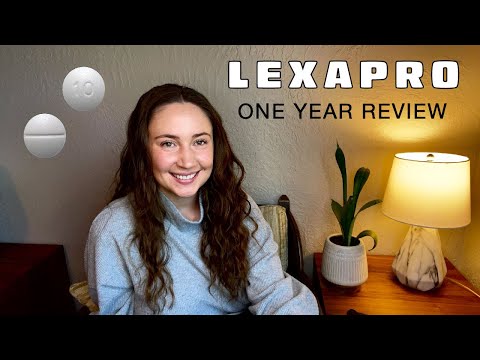
So, let’s talk about Escitalopram. You know, that medication that pops up a lot when people chat about anxiety and depression?
I’ve been diving into the Reddit mental health threads lately. Seriously, it’s like a treasure trove of real experiences.
You hear everything there—both good and bad. People share their lives, their struggles, and how this little pill fits in.
It’s raw, it’s honest, and it’s super relatable. You can really feel the ups and downs through their words.
If you’re curious about what folks have to say about Escitalopram, stick around. There’s a lot to unpack here!
Exploring the Downsides of Escitalopram: What You Need to Know About This Antidepressant
Escitalopram, often marketed as Lexapro, is a common antidepressant. It’s widely prescribed for things like depression and anxiety. While it can be helpful for many people, there are some downsides that you should know about. The Reddit mental health community has numerous discussions where users share their experiences with this medication.
One of the biggest concerns is side effects. It’s not uncommon to experience things like nausea, sleep disturbances, or even changes in sexual function. Someone might feel super tired or find it hard to «get in the mood,» which can really affect relationships. I remember reading a post from a guy who said he felt like he was just going through the motions in his relationship after starting on escitalopram.
Another issue is discontinuation syndrome. Basically, if you stop taking it suddenly or even miss a dose, you can feel pretty awful—think flu-like symptoms or heightened anxiety. It’s like your body gets used to having the drug around all the time, and when it doesn’t, well… things can get rough. One user described how he thought he was losing his mind after missing just one dose; that kind of fear can be scary.
A lot of folks also talk about feeling emotionally numb while on escitalopram. They say it takes away their lows but also their highs. This emotional flatness can make you feel disconnected from life, almost like watching everything through a foggy window. It’s tough when you want to enjoy moments but they just don’t hit the same way they used to.
Then there’s the question of weight gain. For some people, this is a significant downside. It’s not so much about losing weight but more about maintaining how they feel overall—both physically and mentally. I read about a person who struggled with her self-image after putting on extra pounds from the medication; she felt trapped in her own skin because of it.
Also worth noting is that not everyone responds to escitalopram the same way. Some may find relief within weeks while others might not see any change at all for months—or worse yet, experience worsening symptoms. It’s frustrating when you’re hoping for improvement and end up feeling let down instead.
Lastly, there’s always that chance of an increase in suicidal thoughts or tendencies during treatment—especially right at first when your body is adjusting to this new chemical setup. A brave user shared how during that initial period he experienced dark thoughts that scared him deeply; thankfully, he reached out for help before things escalated further.
So yeah, escitalopram can be beneficial for many people but it’s not without its challenges and downsides. If you’re considering this medication—either for yourself or someone else—make sure to have an open chat with your doctor about all these factors before diving in headfirst. Balancing potential benefits against real-life issues is key here!
Exploring the Impact of Escitalopram on Happiness: Can This Antidepressant Improve Your Mood?
Escitalopram is an antidepressant that falls under the category of selective serotonin reuptake inhibitors (SSRIs). If you’re feeling a bit down or struggling with anxiety, this medication might pop up in conversations. So, let’s break it down, yeah?
When we talk about mood and happiness, the thing is that escitalopram works by increasing the levels of serotonin in your brain. Serotonin is often referred to as the “feel-good” neurotransmitter because it plays a huge role in regulating mood, anxiety, and overall emotional well-being. Basically, when you’ve got enough serotonin floating around, you tend to feel more stable and happier.
But here’s where it gets tricky. Not everyone has the same experience with escitalopram. Some folks on platforms like Reddit report feeling significant improvements in their mood and overall happiness after starting on this med. They share stories about how things that once felt overwhelming or impossible became manageable.
For example, one user might describe how they struggled to even get out of bed before starting escitalopram. But after a few weeks? They found themselves not only getting out of bed but even looking forward to hanging out with friends again! That shift can be really powerful.
However, it’s also super important to mention some users feel mixed results. Maybe they see some benefits but still deal with lingering symptoms like fatigue or slight anxiety. You know what I mean? It’s like maybe life isn’t perfect now, but it’s definitely better than before.
Here are some key points from what people have shared about their experiences on Reddit:
- Timeframe: It often takes some time—like a few weeks—for escitalopram to show its full effects.
- Dosage: The dosage can make a big difference; what works for one person might not work for another.
- Side Effects: Some users mention side effects like weight gain or changes in libido—totally not fun.
- Tapering Off: When people decide to stop taking it, they talk about the importance of doing so slowly to avoid withdrawal symptoms.
People share their ups and downs pretty openly online. It’s kind of comforting to see that you’re not alone if you’re on this journey too!
In most cases, whether escitalopram can improve your happiness largely depends on individual factors—what else is going on in your life? Are there other stressors at play? And are you also working on therapy or lifestyle changes? That combo often plays a massive role.
So yeah, if you’re considering escitalopram or just curious about it because someone mentioned it at dinner, remember everyone’s experience is different! It can be incredibly helpful for many but might need some trial and error before finding that sweet spot where your mood feels just right. Also remember—staying connected with your doctor throughout this process is key.
Exploring the Connection Between Escitalopram and Apathetic Feelings: What You Need to Know
Escitalopram is one of those medications you might hear about when talking about mental health. It’s an antidepressant that belongs to a class called SSRIs, which stands for selective serotonin reuptake inhibitors. Basically, it helps boost the levels of serotonin in your brain. Serotonin is a chemical that can really affect your mood, anxiety, and overall well-being.
Now, here’s the thing: some people on Reddit and other forums talk about feeling apathetic when they’re on escitalopram. Apathy is like this strange lack of interest or motivation in things you usually care about. It can feel like you’re going through the motions but not really engaging with life.
So why does this happen? Well, it could be related to how the medication affects your brain chemistry. By leveling out your serotonin, it may help with anxiety and depression but doesn’t always lead to a passionate re-engagement with life. For some folks, it’s like flipping a switch—going from feeling low to feeling kind of flat instead of vibrant.
Here are a few points to keep in mind if you’re noticing this apathetic vibe:
A buddy of mine once mentioned how he felt pretty blah after starting escitalopram. He loved painting but just didn’t feel inspired anymore. He was worried something was wrong with him until he started chatting with his therapist about it. They worked on ways he could slowly connect back with his art without pressure.
If you’re experiencing something similar while on escitalopram or any medication, don’t hesitate to reach out to your healthcare provider. They can offer guidance and explore alternative options if needed.
It’s important to remember medication isn’t the only solution out there; finding what works for you should be an ongoing dialogue between you and your doctor or therapist. And if you’re part of online communities like Reddit, sharing experiences can be super helpful but also make sure you’re focusing on what suits your personal needs best!
So, let’s talk about Escitalopram. If you’ve been hanging around the mental health threads on Reddit, you know this med comes up a lot. People chat about it like it’s part of their everyday lives. It’s kind of wild to think how a little pill can stir up so many conversations and emotions.
I remember this one story from a user—let’s call them Jamie. They shared how they felt completely lost before starting Escitalopram. Like, seriously, the world seemed heavy and gray. But then, after a few weeks on it, something clicked for Jamie. Colors started to pop again; small joys came back into focus. You could feel that sense of relief through their words—like finally finding your favorite sweater after weeks of searching.
But not everyone has the same experience, right? Some folks report side effects or that it didn’t work for them at all. That’s what I find intriguing about these discussions on Reddit. It’s like a mixed bag—you get to see so many perspectives in one spot. Someone might rave about feeling hopeful again while another is sharing their struggles with weight gain or anxiety still creeping in.
The thing is, there’s this underlying theme of support in those threads. People are connecting over shared experiences, offering advice and empathy, which honestly makes it feel less lonely when you’re wading through this whole mental health journey. You realize you’re not alone in your journey with Escitalopram or any medication really.
And while every story is unique, they all contribute to a larger conversation about mental health treatment in general, the importance of communication with your doctor, and maybe even the power of community support. So yeah, from Jamie’s ups to others’ downs—it all paints a picture that navigating mental health isn’t a straightforward path; it’s more like wandering through different twists and turns.
In the end, scrolling through those Reddit threads offers insights that go beyond just medication specifics; they remind us how crucial it is to share our stories and listen to others along the way—even if that means talking about something as personal as taking a daily pill to manage our minds better.