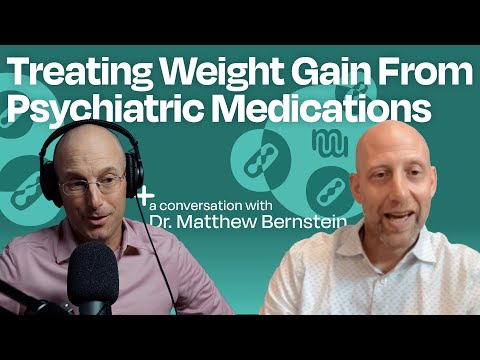
So, you know how life can throw you some curveballs? One second, you’re feeling okay, and the next, bam! You’re knee-deep in stress or anxiety. That’s where meds like escitaloprám come in.
But here’s the thing: while they can really help lift that weight off your mind, some folks worry about packing on extra pounds. Yeah, weight gain is a legit concern for many! It’s tricky, right? You want to feel better mentally without the added baggage of a heavier body.
Let’s chat about what to consider when it comes to escitaloprám and weight gain. There’s a lot more to it than just numbers on a scale.
Top Anti-Anxiety Medications That Won’t Cause Weight Gain: Your Comprehensive Guide
Let’s talk about anxiety and the medications that often come into play to help manage it. If you’re dealing with anxiety, medications can be a lifeline. But the real kicker is finding ones that don’t mess with your weight, right? So, let’s get into some of the anti-anxiety medications out there—and how they stack up when it comes to weight gain.
First off, escitalopram, a popular SSRI (selective serotonin reuptake inhibitor), is often prescribed for anxiety and depression. Now, some folks may experience weight changes while on it. In studies, it’s shown that a small percentage of people do put on some pounds, but not everyone does. It really varies from person to person.
When you think about alternatives that generally don’t weigh you down, here are a few options:
- Sertraline: Another SSRI, sertraline is used for anxiety and depressive disorders. Some research suggests it might have a more neutral impact on weight compared to others in its class.
- Paroxetine: This one can lead to weight gain for some people, so if you’re watching your waistline, you might wanna steer clear.
- Duloxetine: Used for anxiety and chronic pain as well. Users report varied experiences—some say they gain a bit of weight, while others see little change.
- Bupropion: This one’s pretty interesting because it’s an atypical antidepressant that actually has a reputation for helping folks lose weight instead of gain it! It’s got a different mechanism than SSRIs which might explain this.
- Buspirone: Not as widely known but used specifically for anxiety without significant effects on weight reported by patients—definitely worth discussing with your doctor!
The thing is, everyone’s body reacts differently to medication. Your experience could be completely different from someone else’s—and that’s totally normal! It’s not just about picking a med; it’s about what fits best in your overall treatment plan.
You also gotta consider lifestyle factors. Regular exercise and healthy eating habits play huge roles in how medications affect your body. So even if you find something that works for your anxiety without adding pounds, staying active can help keep everything balanced!
If you’re worried about side effects or changes in your health during treatment with any of these meds—weight changes included—it’s key to talk with your healthcare provider. They’re there to help you navigate through all the options out there!
In short, managing anxiety doesn’t mean accepting unwanted weight gain—you can find treatments tailored just for you! Just keep communicating openly with your doctor throughout the process.
Exploring SSRI Weight Gain: Which Antidepressant Affects Your Waistline the Most?
So, let’s tackle the whole issue of SSRIs and weight gain. If you’ve been prescribed an SSRI (selective serotonin reuptake inhibitor), like Escitalopram (also known as Lexapro), you might be wondering about its effects on your waistline. Weight gain isn’t just a side note; it can be a big deal for many people.
When it comes to SSRIs, the relationship between mood and weight is kinda complicated. On one hand, these medications can help lift your spirits and maybe even make you feel more like yourself again. But on the other hand, some folks notice they start putting on pounds after they begin taking them. So, what’s going on here?
First off, it’s important to know that not everyone will experience weight gain on SSRIs. Some people actually find that their appetite decreases when they start their medication! But the thing is, if you do gain weight, the amount can vary quite a bit depending on which SSRI you’re taking.
Some key points about Escitalopram and others:
- Escitalopram: Generally considered to have a low risk for weight gain compared to other SSRIs. Some studies show minimal increases in weight.
- Paroxetine (Paxil): This one has been linked with more significant weight gain over time, so if you’re worried about that, it might not be your best bet.
- Fluoxetine (Prozac): Surprisingly, some folks actually lose weight when taking this medication at first! It tends to have a more neutral effect long-term.
- Citalopram: Similar to its cousin Escitalopram but might lead to slightly more weight changes for some individuals.
So, why do some of these medications lead to changes in your weight? Well, there are various reasons for this. For starters, SSRIs can affect your metabolism or how your body processes food. Also, they impact serotonin levels in your brain—serotonin plays a big role in regulating appetite and mood.
Remember that mental health is really interconnected with physical health. If an SSRI helps you feel better mentally but leads to some unwanted pounds, that can throw you off balance emotionally too! It’s totally valid to feel concerned about this side effect.
I remember talking with someone who was feeling great after starting Escitalopram but then got hit with the news they’d gained a few pounds. It felt like a double-edged sword for them—happy because their depression was lifting but stressed out about fitting into their favorite jeans again.
In short, while Escitalopram isn’t usually known for causing major weight gain compared to other options out there like Paroxetine, everyone’s body reacts differently—and that’s super important to keep in mind when weighing (no pun intended) the pros and cons of any medication.
Always chat with your doctor if you’re noticing changes that concern you! They can help navigate these waters because managing both mental health and physical well-being is crucial—you deserve both!
Top Mood Stabilizers That Won’t Cause Weight Gain: A Comprehensive Guide
Mood stabilizers can be a game-changer for folks dealing with conditions like bipolar disorder, but the struggle with weight gain from some of these meds is real. Seriously, it’s often one of the biggest concerns for people trying to manage their moods without packing on the pounds. So, let’s break down some options that might help keep your mood in check without making you feel like you have to buy a new wardrobe.
Common Mood Stabilizers
First off, we need to acknowledge the most recognized mood stabilizers out there. You probably heard about medications like lithium and valproate. While they work well for many, weight gain can be a side effect for some individuals.
Weight-Neutral Options
There are alternatives that tend to have a lesser impact on weight:
- Lamotrigine: This is often prescribed for bipolar disorder and has a reputation for being fairly weight-neutral. People generally tolerate it well, but everyone reacts differently.
- Carbamazepine: Another option that may not lead to weight gain. It’s used mainly to manage bipolar symptoms and seizures.
- Atypical Antipsychotics: Medications like aripiprazole (Abilify) or lurasidone (Latuda) can act as mood stabilizers too. They usually don’t carry as high of a risk for weight gain compared to others in their class.
- Divalproex Sodium: This one’s also known as Depakote and carries mixed results regarding weight changes. Some people experience no significant gain.
Your Experience Matters
Feeling overwhelmed yet? It gets tricky because everyone’s body chemistry is different, right? So, what works wonders for one person might not cut it for another. The thing is: if you’re concerned about weight while managing your mental health, make sure you talk about it during your next doctor’s appointment.
I remember my buddy Jason—he was on lithium and really struggled with the extra pounds he put on over time. It made him feel self-conscious and affected his confidence when he was out with friends. After switching to lamotrigine under his doctor’s guidance, he found his mood stability improved without dealing with that extra baggage.
The Role of Lifestyle
And let’s not forget lifestyle plays its part too! Eating well and staying active can help counteract any potential changes in weight from meds. You know how they say «it’s all about balance»? That applies here big time!
If you’re worried about escitalopram (Lexapro) impacting your weight due to its association with changes in appetite or metabolism—just keep an eye on how you’re feeling overall, both mentally and physically.
In short, finding the right mood stabilizer while keeping your body happy is possible! Don’t hesitate to advocate for yourself; it matters more than you’d think. Getting the support you need can really make a difference in your mental health journey!
You know, when people start talking about medications for mental health, there’s a lot of focus on how they can really help with issues like anxiety or depression. Like, seriously, it often makes a huge difference. But then there’s this other side that not everyone considers right away—like weight gain.
Take my friend Jake, for instance. He struggled with anxiety for years. When he finally started taking escitalopram, he felt like a new person—more relaxed and able to enjoy life again. But after a few months, he noticed that his jeans were feeling a bit tight, you know? It hit him hard because exercise was his go-to for stress relief before meds came into the picture.
Escitalopram might be one of those SSRIs (Selective Serotonin Reuptake Inhibitors) that helps boost serotonin levels in your brain, but it can also mess with your metabolism and appetite. It’s not guaranteed you’ll gain weight—some people don’t experience it at all—but for others like Jake? Yeah, it can be real.
So when you’re considering this med, or any similar ones really, you gotta think about more than just the good vibes it brings to your mood. Are you okay with potential changes in your body? And what about those lifestyle adjustments? If you might gain weight, maybe you’d want to pair the meds with some healthy eating choices or find new ways to stay active that don’t feel like a chore.
And let’s remember that everyone’s body reacts differently! Some folks might find balance pretty easily while others struggle more. It’s all about listening to yourself and keeping an open line of communication with your doctor too! They can help tweak things if needed and see what options are out there without compromising your mental health progress.
Honestly, it’s about finding what works best for you—not just mentally but physically too. Life is a journey filled with ups and downs; sometimes it’s all about figuring out how to ride the waves together! So if you’re thinking about escitalopram or any other meds, just keep these considerations in mind and take care of yourself on all levels.