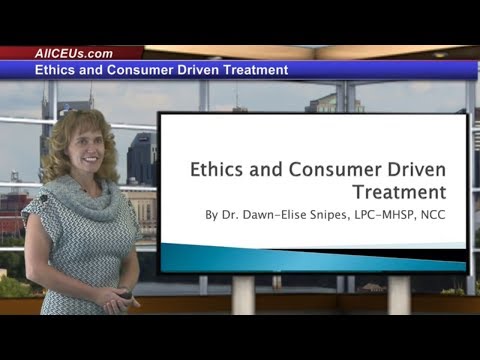
So, let’s talk ethics. It might sound a bit dry, but hang with me for a second. Ethics are those little rules we don’t always see, but they’re super important, especially in mental health.
You know how we all want to do right by our clients? Well, that’s what ethics are all about. It’s like the moral compass guiding our practice. And trust me, it can get pretty tricky sometimes.
Maybe you’ve faced a tough call with a client or dealt with confidentiality issues? Yeah, it can be a real head-scratcher! That’s where continuing education comes in handy.
Getting those CEUs can really sharpen your skills and help you navigate those muddy waters. Let’s explore how ethics shape our work and why they matter so much in mental health practice!
Unlock Free Ethics CEUs for Counselors: Enhance Your Skills and Meet Requirements
Counselors, listen up! When it comes to staying sharp in your field, earning Continuing Education Units (CEUs) in ethics is a must. Not just because it’s required, but also because it helps you provide the best care possible. Ethics CEUs keep your skills fresh and ensure you’re up-to-date with evolving standards.
Now, if you’re concerned about costs—no worries! There are actually some pathways to unlock free ethics CEUs. Here’s how you can do that:
- Professional Associations: Many professional organizations offer free or low-cost CEU opportunities for members. For instance, the American Counseling Association (ACA) frequently provides online courses.
- Webinars and Workshops: Keep an eye out for free webinars hosted by universities or mental health organizations. They often cover relevant topics like confidentiality or informed consent, which are crucial in counseling.
- State Licensing Boards: Some state boards might have recommendations or resources available to help counselors get free training on ethics.
- Nonprofits and Community Resources: Occasionally, local nonprofits will offer workshops focusing on ethical practices in counseling. These can be valuable learning experiences!
You know that feeling when you complete a course? It’s like getting a little boost of confidence! For example, I once took a free online course on ethical dilemmas we face as counselors. It was eye-opening to see how different scenarios play out depending on the choices we make. Those discussions helped me navigate tricky situations with clients later on.
Plus, there’s always something new to learn! Evolving standards and regulations mean our approach must adapt over time. Engaging with new content through these CEUs keeps you not just legally compliant but ethically aware too.
And let’s not forget the networking potential! Many workshops and webinars allow you to connect with other professionals in your field. Sharing experiences about ethical challenges can lead to great discussions and even lifelong friendships.
So, take advantage of every opportunity for those free ethics CEUs! They’re out there waiting for you—just like that last slice of pizza at a party; sometimes you’ve gotta go after it!
Unlock Free Ethics CEUs: Essential Resources for Mental Health Professionals
I’m really glad to help you with this topic! Ethics CEUs are super important for anyone working in mental health. They help ensure that professionals stay up-to-date with ethical standards and practices, which is crucial since, you know, we’re in a field that deals with people’s well-being.
First off, let’s talk about what **CEUs** actually are. Continuing Education Units (CEUs) are like points you earn to show that you’re keeping your skills fresh. For counselors and other mental health pros, these units often include ethical training. It’s a requirement for most licenses, so staying on top of it isn’t optional—it’s essential.
Now, if you’re looking for **free ethics CEUs**, you’re in luck because there are several resources out there. Here are some options to consider:
- Online Platforms: Websites like American Counseling Association or Psychology Today often offer free or low-cost courses on ethics.
- Professional Associations: Many organizations provide access to free webinars or resources for their members. For instance, the National Association of Social Workers sometimes has free ethics workshops.
- University Resources: Check out local universities. Some offer free continuing education programs that include a focus on ethical practices in counseling.
- YouTube Channels: Believe it or not, there are channels dedicated to mental health education where professionals discuss ethics openly. Just make sure they have reputable sources backing them up!
Alright, now let’s break down why this all matters so much. Basically, ethics guide your decisions and help protect your clients’ rights and dignity. A classic example is confidentiality; it’s not just about keeping secrets but creating a safe space for clients to express themselves without fear.
Think about it: if a counselor fails to uphold ethical standards, it can lead to serious consequences—not just legal but also emotional harm to clients who might already be vulnerable.
In many cases, free resources aren’t just about saving money—they’re also about making sure everyone has access to good training no matter their financial situation. Plus, investing time in understanding the nuances of ethics can really deepen your practice.
So whether you’re refreshing your knowledge or stepping into the world of therapy for the first time—or even if you’re an experienced clinician—keep those CEUs on your radar! They’re like the secret ingredient that helps every practitioner serve their clients better while also nurturing their professional growth.
Hope this helps illuminate some options and reasons behind pursuing those free ethics CEUs! Happy learning!
Essential Ethics CEUs for Mental Health Counselors: Key Answers and Insights
Hey! Let’s chat about ethics CEUs for mental health counselors. You know, continuing education units (CEUs) are super important for keeping your skills sharp and staying updated on the ethical standards in the field. Ethics in counseling isn’t just some bureaucratic hurdle; it’s actually at the heart of what we do.
What Are Ethics CEUs?
Basically, these are credits you earn by completing courses that focus on ethical practices in mental health. They’re designed to ensure that you stay informed about the rules and principles that guide your work with clients. This is especially key since the landscape of mental health is always evolving.
Why Are They Important?
For one, they help protect both you and your clients. When you’re well-versed in ethics, you can navigate tricky situations more effectively. Plus, many states require counselors to complete a certain number of ethics CEUs as part of their license renewal process. Imagine realizing you’re short on credits right before your renewal—you really don’t want that stress!
What Topics Do These Courses Cover?
Well, it varies quite a bit, but here are some common areas:
- Confidentiality: How to handle sensitive information without crossing boundaries.
- Informed Consent: Making sure clients truly understand what they’re signing up for.
- Cultural Competence: Respecting diverse backgrounds and tailoring approaches appropriately.
- Dual Relationships: Navigating friendships or social connections with clients (yikes!).
To put it simply: this stuff matters because it shows respect for your clients’ rights and builds trust.
Anecdote Time
I once met a counselor who accidentally crossed some lines with a client he knew socially. It ended up creating a huge mess! He felt awful about it and realized he hadn’t fully understood how to maintain professional boundaries, which is where those ethics courses could’ve made a difference.
The Format
These CEU courses can be taken online or in person, depending on what works best for you. Online options are convenient since you can fit them into your schedule whenever it suits you—like when you’re chilling at home with a cup of coffee!
Finding Courses
Many organizations offer ethics CEU courses. Look for ones accredited by relevant licensing boards or professional associations like the American Counseling Association (ACA). These programs often have updated content reflecting current laws and ethical concerns.
In short, brushing up on ethics isn’t just about ticking boxes; it’s about doing right by your clients and yourself in this rewarding but complex field of mental health counseling!
You know, the whole topic of ethics in counseling is really something to think about. Like, we often talk about mental health in a way that feels pretty straightforward, but, wow, there’s so much more underneath the surface. When I hear about Ethics CEUs (which are continuing education units) for counselors, it makes me realize how important it is for people in the field to keep sharpening their skills and understanding.
I remember chatting with a friend who’s a therapist. She shared this story about a difficult situation she faced with a client. The choices she had to make called into question her values and the ethical guidelines she had learned during her training. It was tough for her—she felt super conflicted because she wanted to help her client while also adhering to ethical standards. That’s when it hit me: even though these situations can be messy and complicated, having a solid grip on ethics helps counselors navigate those waters better.
The thing is, ethics isn’t just some dry, theoretical stuff you learn in school; it’s about real people with real problems. Counselors need those CEUs not just for compliance reasons but also because they remind you of why you got into this field in the first place. The rules can sometimes feel burdensome; however, they guide us in making choices that honor the trust clients place in us.
Plus, let’s be honest—things change over time! New research comes out all the time that can shift how we view certain ethical dilemmas or best practices. That’s why staying up-to-date through continuing education is crucial. It keeps you fresh and ready to handle whatever comes your way.
In short, Ethics CEUs for counselors aren’t just boxes to check off; they’re vital tools that help keep our work grounded and meaningful. And when you’re out there helping others navigate their own mental health journeys, knowing you’ve got an up-to-date understanding of ethics can be incredibly reassuring—for both you and your clients. You follow me?