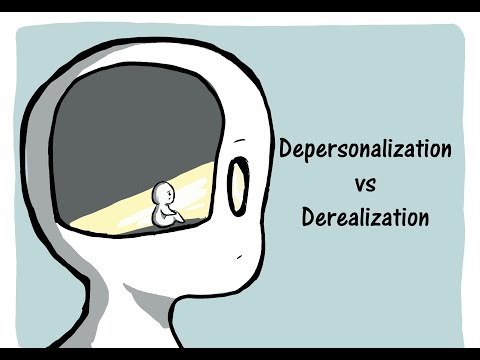
So, have you ever felt like you’re watching your life from the outside? Like, you’re just kinda… there, but not really? That’s what depersonalization is all about.
It’s this weird sensation where everything feels unreal, or even like you’re floating away from your body. Yeah, it sounds strange. But it happens more than you’d think.
People dealing with depersonalization often wonder why it happened to them. What caused it? What’s behind this sometimes freaky feeling?
Let’s dig into the origins of this quirky disorder and see what we can find out together. You might be surprised by the stories behind it all!
Understanding Depersonalization in Psychology: Causes, Symptoms, and Coping Strategies
Depersonalization can feel like you’re watching your life from the outside, as if you’re a character in a movie. It’s totally disorienting, and frankly, pretty unsettling. So, what exactly is it? Let’s break it down into bite-sized pieces.
What is Depersonalization?
It’s part of something called depersonalization-derealization disorder (DPDR). This condition makes you feel disconnected from your thoughts, feelings, or sense of self. You might even feel like your body isn’t yours. Kind of wild, right?
Causes and Origins
Like many mental health issues, there’s no one-size-fits-all cause for depersonalization. It usually crops up when you’ve experienced some serious stress or trauma. Here are some common triggers:
- Traumatic events: Things like accidents, assaults, or the death of someone close can kickstart these feelings.
- Chronic stress: Living in constant anxiety or pressure can wear down your mental defenses.
- Panic attacks: If you suffer from intense anxiety episodes, depersonalization might just tag along for the ride.
- Dissociation: Some people use dissociation as a coping mechanism to escape overwhelming emotions.
Symptoms
Now that we know what causes it, let’s talk about what it feels like. Symptoms can vary from person to person but often include:
- Sense of unreality: You may feel detached from reality—like everything is blurry or foggy around you.
- A sense of disconnection: You might not feel like you’re really experiencing life but rather watching everything unfold from a distance.
- Physical sensations: Some people report feeling numb or as if they’re floating outside their body.
Imagine sitting on a park bench surrounded by vibrant colors and happy faces but feeling entirely disengaged—like you’re stuck behind glass.
Coping Strategies
So where do we go from here? There are ways to manage these feelings if they come knocking on your door:
- Therapy: Talking to a therapist who specializes in trauma or dissociation can be super helpful. They know how to guide you through these tough experiences.
- Meditation and mindfulness: Focusing on the present moment can ground you when everything starts feeling weird. Simple breathing exercises often work wonders!
- Coping skills: Developing strategies to handle stress and anxiety can reduce the chances of slipping into that detached state again.
Not everyone has the same path when dealing with depersonalization. For some folks, it fades away with time; for others, it sticks around longer and needs more attention.
If this resonates with you or someone you know, remember that support is out there! Navigating through depersonalization isn’t easy but understanding it is a solid first step toward finding peace again.
Understanding the History of Depersonalization Disorder: A Journey Through Time and Psychology
When we talk about depersonalization disorder, it’s like stepping into a really strange world where you feel disconnected from yourself. This can be unsettling, right? But understanding its history helps us make sense of it.
Depersonalization is not something that popped up overnight. It’s been around for ages, with roots tracing back to ancient times. People described feelings of being unreal or detached long before psychology as a field even existed. For instance, in the early 20th century, Sigmund Freud touched on similar phenomena in his discussions about anxiety and subconscious processes. He didn’t call it depersonalization specifically, but he laid some groundwork for understanding these odd experiences.
As we moved into the mid-1900s, more clarity came about. The term “depersonalization” itself started gaining traction in the 1950s when psychologists began to study it more systematically. They recognized that this experience could happen during extreme stress or trauma. Imagine standing outside your body and watching your life unfold—it’s disorienting! That’s partly why it’s often linked to experiences like trauma or severe anxiety.
Then there’s the thing known as the Dissociative Disorders. By the time we hit the late 20th century, depersonalization started getting categorized within dissociative disorders alongside dissociative identity disorder and dissociative amnesia. These disorders involve disruptions in consciousness and self-identity—very much like what someone with depersonalization might feel.
Now, let me tell you something interesting: research shows that up to 2% of people experience depersonalization at some point in their lives! It can pop up as a reaction to things like extreme stress or substance use—ever heard of someone who’s had a bad trip on drugs? That can sometimes lead to feelings of unreality too.
But what really causes depersonalization disorder? The reality is complex. Both biological factors and psychological triggers play a role. Studies suggest that there may be differences in certain brain areas involved in processing emotions and self-perception for people with this condition.
So yeah, over time, our understanding of depersonalization has definitely evolved—from vague mentions in ancient texts to a recognized mental health condition today. It hasn’t always been easy for folks suffering from it since stigma has historically surrounded mental health issues.
In short, learning about this journey through time helps demystify what someone with depersonalization disorder goes through day-to-day—feeling disconnected from their own thoughts and emotions can be isolating enough without adding confusion about its origins!
Exploring the Link Between Migraines and Depersonalization: Can Chronic Pain Affect Mental Health?
Migraines can be a real pain—literally and figuratively. For folks suffering from chronic migraines, their mental health can take quite a hit. You know how it goes: when you’re in pain all the time, it just messes with your head. One of the things people often mention is feeling “out of it” or detached, which could point toward something like depersonalization.
So, what’s going on here? Well, depersonalization disorder is this weird feeling where you sort of feel disconnected from yourself or your surroundings. It’s like watching your life unfold from behind a glass wall. The emotional toll of chronic pain—like what happens with migraines—can really contribute to episodes of depersonalization.
Here’s why this link matters:
To give you an idea, imagine someone named Sarah who deals with debilitating migraines several times a month. When the headache strikes, she can’t focus on anything else; even when it fades away, she feels foggy and detached from her own emotions and thoughts for days afterward. That disconnection doesn’t just come from the physical aspect; it’s also an emotional response to chronic discomfort.
But there’s more! The brain itself reacts oddly during migraine attacks; chemicals like serotonin are involved in both migraines and mood regulation. This means that changes in these brain chemicals could potentially trigger feelings associated with depersonalization.
And let’s not forget about the social aspect! Living with constant pain often leads people to withdraw from social interactions or hobbies they once enjoyed. The isolation added by chronic pain can deepen feelings of detachment since you’re missing out on those connections that ground you.
So while it’s still being studied how exactly migraines link up with experiences like depersonalization disorder, what we do know is that these two are interconnected through emotional responses and brain chemistry changes related to chronic pain.
In short: if you’re dealing with chronic migraines, don’t overlook how they might be messing with your mental state too. Acknowledging that link could help both in managing migraine symptoms as well as addressing any mental health concerns effectively!
Depersonalization disorder can feel like your brain has hit the mute button on reality. You know those moments when everything seems foggy, and it’s like you’re watching your life from a distance? Yeah, that’s what it can be like. It’s kind of freaky, right?
So, let’s talk about where this all comes from. The thing is, depersonalization often pops up in response to intense stress or trauma. Imagine going through something really overwhelming, maybe losing someone close to you or experiencing a tough situation—like a bad car accident or even some serious emotional turmoil. Your mind doesn’t want to deal with it all at once, and boom! You start feeling disconnected from yourself and your surroundings.
A friend of mine went through this after a really messy breakup. For weeks, she felt like she was living in a dream—everything was just…off. She’d look in the mirror and not recognize herself at all. That disconnection was her mind’s way of coping with the pain and shock of what had happened.
And then there are other factors that can play into it too—like anxiety and depression. They can creep in and mess with your perception of reality. When you’re stuck in a constant loop of worry or feeling low, your brain might just decide to check out for a while as self-protection.
Biological factors may also be involved; neuroscience suggests that certain areas in the brain linked to emotions could be less active during episodes of depersonalization. It’s as though those parts are taking a little vacation when you’re feeling overwhelmed.
All this sounds pretty heavy, but understanding these origins is important because it shows how resilient our brains are—even when they’re trying to cope with something hard by making us feel distant from ourselves. If you ever feel this way—or know someone who does—it helps to remember that there’s support out there, whether that’s therapy or simply having an open conversation about what you’re feeling inside.
Life can throw some crazy stuff our way, but recognizing how we’re wired to protect ourselves is kind of comforting—you know? So try not to be too hard on yourself if you feel disconnected sometimes; it’s just your mind having its own unique reaction to keep you safe.