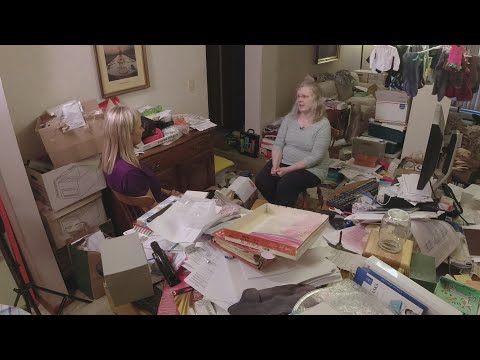
So, let’s talk about hoarding. You know, that thing where people can’t seem to part with anything? Seriously, it can get out of hand.
I mean, we’ve all seen those shows where someone’s house looks like a maze of old newspapers and random trinkets. It’s wild! It might seem like just a quirky habit, but there’s so much more to it.
What drives someone to hold onto stuff like it’s the last piece of chocolate in the world? Spoiler alert: it goes deeper than just liking old things. There are some real psychological reasons behind hoarding disorder that can make your heart ache a bit.
Let’s dig into what’s really going on in the minds of those who struggle with this—and why understanding it might change how we see them entirely.
Understanding Hoarding: Does Age Affect the Severity of Symptoms?
Hoarding is one of those subjects that often hides in the shadows, you know? It affects people in different ways, and understanding how age plays into it can really shed some light on the issue. So, let’s break it down.
When you think about hoarding, it’s more than just keeping a bunch of old newspapers and broken gadgets. It’s a complex mental health condition. People with hoarding disorder hold onto items because they attach significant meaning to them or fear that they’ll need them in the future. This emotional connection can get stronger over time.
Age definitely affects how hoarding symptoms manifest. For younger individuals, say, those in their teens or twenties, you might see a different picture compared to older adults. Younger folks often have less stuff but more impulsiveness—like jumping from one obsession to another without fully processing what they’re doing.
On the flip side, older adults often accumulate more physical items over the years. When I was volunteering at a local community center, I met an elderly gentleman who couldn’t part with his collection of coffee mugs—each one held a memory for him. This attachment intensifies with age since life experiences can lead to increased sentimentality about things.
Now, let’s consider some key points about how age impacts hoarding symptoms:
- Emotional Attachment: As people age, their emotional ties to objects can deepen significantly.
- Life Changes: Major life transitions like retirement or loss of loved ones can trigger or worsen hoarding behaviors.
- Cognitive Decline: In older adults, cognitive issues such as dementia may complicate their ability to recognize clutter as a problem.
- Support Networks: Younger individuals may have family and friends who notice and intervene sooner than older adults who might live alone.
But what about the psychological causes? Well, there are usually underlying issues like anxiety or depression at play for all ages. The thing is that these conditions can look different across generations—what shows up as anxiety for someone in their twenties might manifest as avoidance for someone in their seventies.
Interestingly enough, some studies suggest that early intervention could make a huge difference. Younger individuals are usually more open to therapy than older generations who might see it as stigmatizing. And honestly? That’s super important! Therapy helps address those deep-rooted issues driving the hoarding behavior.
To wrap this all up: yes, age does affect **the severity of hoarding symptoms**, but it also complicates matters by intertwining various psychological factors. Understanding this connection can help tailor interventions better suited for each stage of life—and hopefully make a positive impact on those affected by hoarding disorder.
So there you have it! Hoarding is layered and complex—it’s not just about clutter; it’s about emotions and life experiences too!
Understanding Hoarding Recovery: What Percentage of Hoarders Find Success?
Hoarding can be a really tricky issue, you know? It’s not just about clutter or having too much stuff. It often carries deep emotional roots and psychological causes that can create a real challenge for recovery. A lot of folks wonder about the success rates of overcoming hoarding disorder, so let’s unpack that a bit.
First off, when we talk about success in hoarding recovery, it’s important to clarify what “success” means. For some, it’s about reducing clutter to make living spaces functional. For others, it might mean managing compulsive behaviors or dealing with the underlying emotions tied to their possessions.
Studies show that **only around 20% to 30%** of people with hoarding disorder find significant improvement through traditional treatments like cognitive-behavioral therapy (CBT) and medication. Yeah, that’s not a huge percentage! But here’s the thing: many don’t fully address all the emotional ties they have with their belongings.
One key reason people struggle is because they often have strong feelings of anxiety or sadness connected to their items. Each item can hold memories or represent lost opportunities. So when they try to clear out their space, they’re also dealing with all these emotions bubbling up. For example, imagine someone who has kept every letter from friends over the years; letting go might feel like losing those friendships all over again.
There’s also another aspect: social support during recovery matters big time. When folks have friends or family who understand and support them throughout this journey, they’re likely to do better in the long run.
But wait—here’s where things get even more complicated! The rate of success can depend on how motivated a person is and whether they’re ready to change their habits. It may take several attempts to really start seeing progress because change doesn’t happen overnight.
So if you’re thinking about someone you know who might be struggling with hoarding tendencies—or perhaps you’re facing it yourself—remember this: It’s totally okay for recovery to take time! Everyone’s journey is unique and finding small steps toward improvement can lead to bigger changes down the road. It’s about making room for healing and understanding along with those physical spaces.
Ultimately, while only a few see major successes initially, many others experience gradual improvements as they learn more effective coping strategies along their recovery path. And isn’t that something worth holding onto?
Understanding Hoarding: Key Diagnostic Criteria Explained
Hoarding disorder is one of those things that can really make life challenging. You know, when stuff starts piling up, and it gets tough to function? It’s not just about being messy; it’s about a deep emotional struggle. Let’s break down what hoarding disorder looks like and what those pesky diagnostic criteria actually mean.
Key Diagnostic Criteria for hoarding disorder mainly come from the Diagnostic and Statistical Manual of Mental Disorders (DSM-5). You might recognize this as the go-to guide for mental health professionals. Here’s a simple rundown:
- Persistent difficulty discarding possessions: This isn’t just about keeping a few sentimental items. People with hoarding disorder find it incredibly hard to get rid of things, even if they don’t have any real value. Imagine holding onto old magazines or broken gadgets because they might be useful someday—that’s a classic sign.
- Inability to organize items: It’s not just clutter; it’s chaos! Items can pile up in every corner, making spaces unusable. You could walk into someone’s home and see paths carved through stacks of boxes or piles of clothes.
- Emotional distress: Let’s talk feelings here—there’s often a lot of anxiety tied up in letting go of possessions. If someone tries to help clear things out, they might feel overwhelmed or upset, which can lead to arguments or withdrawal.
- Impact on daily functioning: When clutter starts affecting relationships or work, that’s a big red flag. Think about someone who can’t invite friends over because their living room is filled with stuff. That kind of isolation isn’t uncommon.
- The accumulation is excessive: The amount of stuff isn’t just a little off—it’s significant enough that it becomes unmanageable. Picture an apartment overflowing with items where there’s hardly any room left for people.
Now, what leads to hoarding? Well, the psychological causes are still being explored, but some theories suggest that trauma plays a big role. People who have experienced loss might cling to objects as a way to preserve memories or feelings.
Often, there can be underlying mental health issues like anxiety or depression at play too. It’s like these feelings create this intertwined mess where it becomes hard to part with things that remind them of better times—or even worse ones.
And here’s something interesting: many folks don’t see their behavior as problematic until it seriously impacts their lives or those around them. That means you might notice issues before they do!
Understanding hoarding isn’t just about identifying symptoms; it’s also about compassion and looking deeper into why someone struggles with this disorder. If you know someone dealing with it, try being supportive instead of judgmental—it makes all the difference.
So yeah, hoarding disorder is complex but worth unpacking—if only so we can better understand what drives these behaviors and how we might help those in need!
Hoarding disorder is one of those things that can feel super confusing, both for people who struggle with it and for their loved ones. I mean, if you’ve ever walked into someone’s home cluttered with stuff, it raises some big questions. Why do they hold onto all that? The thing is, hoarding isn’t just about being messy or disorganized—it’s rooted in some pretty complex psychological stuff.
When you think about hoarding, it might help to remember that it’s often linked to emotional experiences rather than just a love for objects. Take Sarah, for example. She was a bright young woman with dreams and aspirations, but after losing her mother unexpectedly, she found herself unable to part with anything that reminded her of her. As days turned into months and months into years, the little mementos piled up—old clothes, trinkets from childhood—until her space felt more like a storage unit than a home. For her, each item held a memory, a fragment of connection to something—or someone—she lost.
So what actually drives these behaviors? Well, there’s often an underlying anxiety at play. For some folks, parting with possessions feels like losing control or safety in their lives. It’s like clinging to an anchor when everything else feels uncertain. Others may struggle with perfectionism; they might hold onto items because they’re waiting for the «right» moment to use them or fear making the wrong choice about whether to keep them.
And then there’s this whole emotional attachment angle too. People may develop a sort of “relationship” with their stuff; each item is filled with memories or feelings that can be hard to let go of. The process of decluttering can feel overwhelmingly painful—a loss equivalent to letting go of people they care about.
It’s also important to realize that hoarding can stem from cognitive distortions—that’s fancy talk for thinking errors. Sometimes individuals might see themselves as needing every piece around them because they believe it holds significant value or purpose when it actually doesn’t.
But here’s the good news: awareness is growing! More therapists are beginning to understand hoarding as a serious mental health issue rather than just poor organization skills. With support and strategies tailored towards emotional processing and cognitive restructuring—basically working through those thoughts and feelings—it really is possible for people like Sarah to create healthier spaces and maybe even find peace in letting go.
So yeah, while it might look strange from the outside looking in—a wild tangle of papers and items—it often holds layers of human experience underneath it all: grief, anxiety, love. And understanding that can make all the difference in lending support or seeking help if you need it yourself!