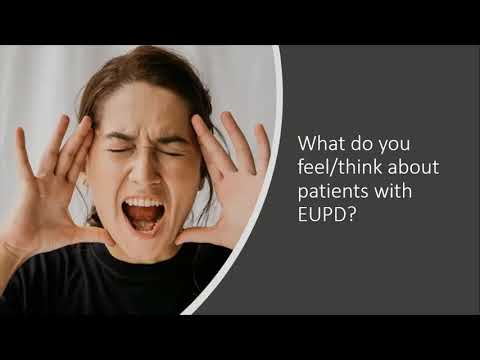
You know, emotions can be super tricky sometimes. One minute you’re on top of the world, and the next you’re feeling lost. It’s exhausting, right?
Now, imagine feeling like that all the time. That’s what people with Emotionally Unstable Personality Disorder (EUPD) face. It’s like riding this wild emotional rollercoaster with twists and turns that never seem to stop.
So what does that really mean for someone living with it? That’s where things get interesting. EUPD messes with your emotional wellbeing in ways you might not even expect. Let’s talk about how it feels and what it means for day-to-day life. It can be eye-opening!
Understanding EUPD: Its Impact on Daily Life and Relationships
Alright, let’s talk about EUPD, or Emotionally Unstable Personality Disorder. It’s also known as Borderline Personality Disorder (BPD). Now, this condition can really shake things up in daily life and relationships. It’s not just a label; it can lead to some intense emotional experiences.
People with EUPD often struggle with their emotions. Basically, you might feel on top of the world one minute and then hit rock bottom the next. This rollercoaster can make it hard to manage everyday tasks like work or school. Difficulty concentrating? Totally common.
Relationships are another area where EUPD really makes its presence felt. You might find yourself swinging between idealizing someone and feeling like they’re the worst person ever. Imagine getting super close to someone, then suddenly feeling like they’re out to hurt you. It’s confusing not just for you but for them, too.
- Intense Relationships: People with EUPD often experience very intense relationships but may struggle to maintain them long-term due to fear of abandonment.
- Emotional Dysregulation: Emotions can feel overwhelming or even uncontrollable at times. This might lead to actions you later regret.
- Self-Image Issues: Your sense of self might change frequently; one day you feel confident, and the next, you might hate everything about yourself.
- Coping Mechanisms: Some people with EUPD turn to unhealthy coping strategies—like substance use or self-harm—to deal with their feelings.
You know that feeling when an unexpected text from a friend sends you spiraling? That’s kind of what it’s like living with EUPD. Even small things can set off strong reactions. Say you’re having a good day, and then someone cancels plans last minute—you might feel rejected or unworthy.
The impact on mental well-being is pretty significant too. Anxiety and depression often tag along for the ride. It’s not just about feeling sad; it’s more complex than that—like trying to juggle while running a marathon!
Therapy, particularly Dialectical Behavior Therapy (DBT), is often recommended for managing EUPD symptoms. DBT can help teach skills for handling emotions better—sort of like learning new tools for your emotional toolbox!
If you or someone close to you is navigating life with EUPD, remember: understanding is key! Educating yourself and being patient through the ups and downs makes a difference in how both parties cope and connect.
Living with EUPD isn’t easy; it’s filled with challenges that demand understanding and compassion—from both those dealing with it directly and their loved ones too.
Understanding the Emotional Impact of Borderline Personality Disorder: Insights and Effects
Borderline Personality Disorder, often called BPD, can pack a serious emotional punch. If you or someone you know has experienced the highs and lows of BPD, it’s like riding a roller coaster that never really stops. You know that feeling of being on top of the world one minute and then crashing down the next? That’s what can happen with BPD.
Understanding BPD starts with recognizing that it’s not just about mood swings. It’s a complex condition that affects how you think about yourself and others. People with BPD often have intense feelings, but these feelings can change quickly and unpredictably.
One of the hallmark symptoms is emotional dysregulation. This means your emotions can feel overwhelming and difficult to control. Think about a time when something minor upset you way more than it should have; for someone with BPD, that happens all the time, sometimes triggered by things most people wouldn’t even notice.
You might feel really happy one moment, full of love and joy, but then bam! Someone cancels plans or doesn’t text back right away, and suddenly you’re spiraling into anger or despair. It’s like being on an emotional seesaw—up one minute, down the next.
- Fear of abandonment is another big deal for folks with BPD. Imagine feeling like everyone around you is going to leave at any second. That fear can lead to clinging behavior or pushing people away—all in an attempt to avoid being hurt.
- Relationship struggles are common too. Because emotions are so intense, relationships can be tumultuous. You might experience extreme idealization (thinking someone is perfect) followed quickly by devaluation (seeing them as terrible). It’s confusing for everyone involved!
- The impulsivity aspect also plays a huge role. Whether it’s spending sprees or risky behaviors—sometimes these impulsive choices are made in response to emotional pain or emptiness.
- A growing sense of emptiness may also be prevalent; feeling like there’s a void within yourself that nothing seems to fill is pretty common among those diagnosed.
Addiction issues and self-harm behaviors might pop up too. They’re often coping mechanisms aimed at managing overwhelming feelings—or just trying to feel something when you’re numb inside.
The good news? With proper treatment, including therapy tailored for BPD like Dialectical Behavior Therapy (DBT), many individuals make significant strides in managing their emotions better. DBT focuses on building skills in mindfulness, emotional regulation, distress tolerance, and interpersonal effectiveness.
This journey isn’t easy; there will be bumps along the way. But understanding the emotional impact of BPD paves the way for healing and growth—both for those living with it and their loved ones trying to help them along their path.
The important thing is support; knowing you’re not alone makes such a difference. So if you’re navigating these waters—whether personally or supporting someone who is—just remember: understanding goes a long way!
Understanding Emotional Instability: Signs, Behaviors, and Insights into Unstable Emotions
Emotional instability, you know, it’s something many people experience. It can come from a variety of places, but when we talk about something like Emotionally Unstable Personality Disorder (EUPD), or Borderline Personality Disorder (BPD) as it’s often called, things can get pretty intense. Basically, this condition affects how folks experience and manage their emotions.
One moment you might be feeling on top of the world, and then suddenly, it’s like a dark cloud rolls in. This rapid emotional shift can leave you feeling lost or confused. And trust me, that can be exhausting—both for you and for those around you.
So what are some **signs** of emotional instability? Let me throw out a few key points:
- Intense Emotions: You might feel emotions more deeply than others do. Joy can turn to rage in an instant.
- Fear of Abandonment: That feeling where you’re terrified people will leave you? It’s common with EUPD.
- Impulsive Behaviors: From spending sprees to risky driving, these actions are often tied to that emotional rollercoaster.
- Difficult Relationships: Maintaining friendships or romantic partnerships can feel like walking on eggshells.
- Mood Swings: These fluctuations can happen several times a day; it’s not just being moody!
You may also notice changes in self-image. This isn’t just bad hair days; it’s more like constantly changing who you believe yourself to be. One minute you’re feeling great about yourself, and the next—poof—a wave of self-doubt washes over you.
Let’s take Jenna as an example. She has a great job and plenty of friends yet struggles with feelings of emptiness. One night she goes out for drinks with her pals and feels vibrant! But later that week, she finds herself isolating after someone didn’t text her back right away. It’s confusing for her and makes her question her worth.
So what causes this emotional instability anyway? Well, research suggests a mix of genetic factors, brain chemistry variations, and environmental influences—like traumatic experiences during childhood.
When it comes to managing these overwhelming emotions, there are some approaches that can help:
- Therapy: Dialectical Behavior Therapy (DBT) is really effective for EUPD because it teaches skills like emotion regulation.
- Mindfulness Techniques: Learning to stay present can help steer your mind away from spiraling thoughts.
- Anxiety Management: Finding strategies to cope with anxiety is crucial since it often fuels those emotional spikes.
And hey—medication might play a role too! Some doctors prescribe things like antidepressants or mood stabilizers depending on individual needs.
It’s super important to know you’re not alone in this journey. Whether it’s leaning on professionals or confiding in friends who get it—support matters! Just remember that while emotional instability can feel overwhelming at times, there are paths forward that make living more manageable and joyful.
Life doesn’t have to be stuck in the storm; there’s always hope for brighter days ahead!
Emotional Unstable Personality Disorder, or EUPD, can really throw a wrench into someone’s mental wellness. You know, it’s one of those things that’s not super easy to explain. People often think it just means being overly emotional or moody, but it’s way more complex than that.
Imagine feeling like you’re on a rollercoaster every day. One moment you feel elated and connected to everyone around you, like when your best friend takes you out for coffee and you laugh so hard your cheeks hurt. But then—bam!—within hours, you’re feeling abandoned and misunderstood over something seemingly small. It’s exhausting.
A friend of mine struggles with EUPD, and I’ve seen how this plays out in real life. There are days when she radiates joy and inspires everyone around her, but there are also days when she feels deeply isolated, even in a crowded room. It’s tough to watch her go through these intense ups and downs. The thing is, her emotions can feel so raw, so real—which makes sense considering the underlying issues with self-image and interpersonal relationships that often accompany EUPD.
These extreme emotional shifts can affect relationships dramatically too. Sometimes it’s like walking on eggshells because you’re never quite sure which version of your loved one will show up today: the vibrant one or the withdrawn one? And communication? Oh boy! Misunderstandings can spiral quickly when emotions are high.
Living with EUPD doesn’t mean someone is broken; rather, it shows just how nuanced emotional experiences can be. It highlights the importance of understanding and support—not just from friends or partners but from mental health professionals who know the ins and outs of this condition.
Over time, therapy can help manage these symptoms better; skills like mindfulness or dialectical behavior therapy can offer tools to weather those emotional storms more effectively—and trust me, that’s empowering!
In the end, figuring out how to navigate life with EUPD isn’t a solo journey; it’s more like a team sport where empathy plays a huge role. For those dealing with this disorder—and their loved ones—it’s crucial to lean into understanding each other’s feelings while finding ways to cope together. Because at the heart of it all is that human desire for connection and stability even when everything seems up in the air.